


The U.S. fashion market is the largest of any country in the world. This glitzy world can look intimidating from the outside, but you’ll open doors with clear purpose that people can connect with, consistent effort, and smart planning. Read some of the key steps to creating a fashion brand that’s profitable and uniquely yours.
Define your identity
Before sketching any pieces, clarify what your brand stands for and who you want to reach. You’ll make stronger decisions when you understand why your label exists.
Start by describing the emotional response you want customers to feel when they see or wear your designs. Then, choose a target audience you can visualize and research what they value and what gaps they see in the market.
Create a small mood board with colors, textures, references, and photos that match your vision. This structure helps you speak with one recognizable voice across your designs and digital presence.
Go a step further and write a short brand statement, for example just a few sentences that explain your mission and aesthetic. This becomes your compass when trends shift or opportunities appear. A clear identity helps customers remember you in a crowded space where many brands blur together.
Build a practical business plan
A fashion brand becomes sustainable when you run it like a business from day one. Map out the products you want to launch first and at what price, and the money you need to bring those items to life. Try to calculate costs piece by piece: fabric, production, packaging, shipping, marketing.
Set revenue goals you can measure monthly, so you know whether your strategy works. A practical plan also includes your sales approach and whether you’ll sell through your own site or online marketplaces, or physical stores. Study a handful of competitors with similar aesthetics or customers and note how they market and distribute their products.
Also plan for cash flow. Fashion often requires paying for production before you earn from sales, so leave room for delays and slow seasons. Many founders start small, reinvest profits, and grow in stages rather than chasing rapid expansion that strains finances.

Handle the legalities
A solid legal foundation protects you as you grow. Many founders choose to start an LLC because it separates personal assets from business liabilities and offers a straightforward management structure. You can file for an LLC in your state and open a dedicated bank account so your finances stay clean and traceable.
Check whether your brand name is available at the state level and confirm domain availability before you commit to it. Once done, file a trademark application to safeguard your identity. Then, review local regulations for selling apparel, including sales tax permits and online commerce requirements.
It’s also wise to use clear contracts with manufacturers, freelancers, and collaborators. Written agreements around payment terms, timelines, and ownership of designs prevent misunderstandings later.
Production, sourcing, and quality control
Your manufacturer plays a major role in how customers perceive you, so approach sourcing with care. Start by requesting samples from several factories – domestic or overseas, subject to shifting geopolitics – and compare stitching, fabric feel, fit accuracy, and turnaround times. When a sample arrives, wear-test it and wash it multiple times.
From here, you can build a checklist that outlines your quality standards, including measurements, fabric weight, trims, and labeling requirements. Share this document with any production partner you consider. During your first few runs, place smaller orders so you can correct issues without risking your budget. Clear communication keeps timelines predictable and reduces costly mistakes.
If sustainability matters to your brand, ask suppliers about fabric origins, labor practices, and certifications. Modern consumers increasingly care about transparency, and ethical sourcing can become part of your story.
For instance, sourcing reliable printing partners is just as important if your brand is expanding into custom apparel decoration. Using affordable DTF transfers can help you maintain consistent print quality while keeping production costs under control as you scale.

Create a strong online presence
Today, a fashion brand lives or dies by how it shows up online. Start with a clean, mobile-friendly website that highlights your products with high-quality photos and clear descriptions. Invest time in good lighting and consistent styling for your shoots, as even simple setups can look premium when done thoughtfully.
Choose one or two social platforms where your audience already spends time. Post consistently, not just about products but about your process, inspiration, and behind-the-scenes moments. This builds connection and trust. Email newsletters are another powerful tool; they give you direct access to customers without relying on algorithms.
Keep learning and adapting
Fashion moves fast, and no plan stays perfect. Track which products sell best, which marketing channels convert, and what customers say in reviews or messages. Treat feedback as data, not criticism.
Invest in your own education, whether through short business courses, industry events, or networking with other founders. Many breakthroughs come from conversations and shared experiences.
Each step becomes more manageable if you stay grounded in your purpose and honest about your resources. When you sew all the right pieces together, you create a business that grows with you, as you refine your ideas and partnerships into something that’s both personal and commercially strong.
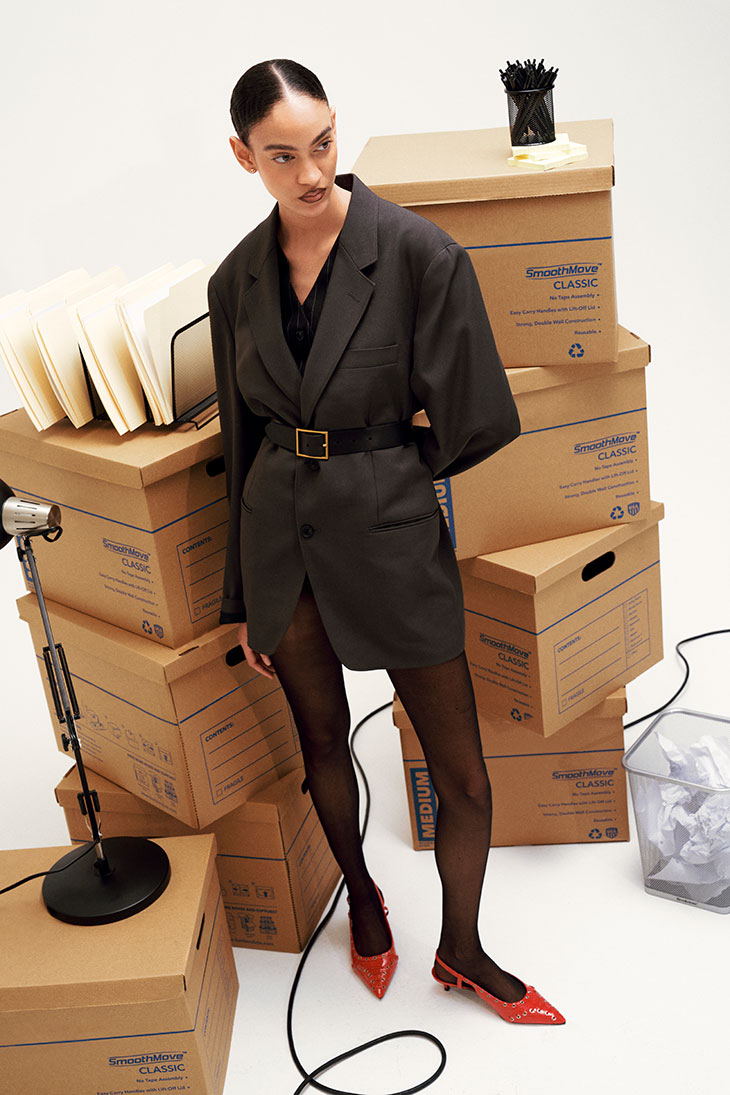
Images from Office Girly by Zach Alston – see full story here.