Anna Ehrenstein brings questions about the human infrastructure of artificial intelligence to the forefront in The Language of the Soil, a new exhibition opening at Fotografiska Berlin on March 12 and running from March 13 through June 12, 2026. The project examines the labor networks that sustain contemporary digital systems and considers the people whose work remains largely invisible within global platform economies. Through research, collaboration, and immersive installation, Ehrenstein constructs a narrative that connects technological production with the social and economic realities behind it.
ART
The exhibition developed through close collaboration with researcher Ariana Dongus and worker-researchers and activists Richard Mathenge, Mophat Okinyi, and Fasica Berhane. Each collaborator brings direct experience with digital platform labor, helping guide Ehrenstein toward individuals and communities working inside these systems. Their contributions shape the exhibition’s perspective, grounding the project in the lived realities of workers who perform essential tasks within digital infrastructures yet rarely appear in public discussions about artificial intelligence.
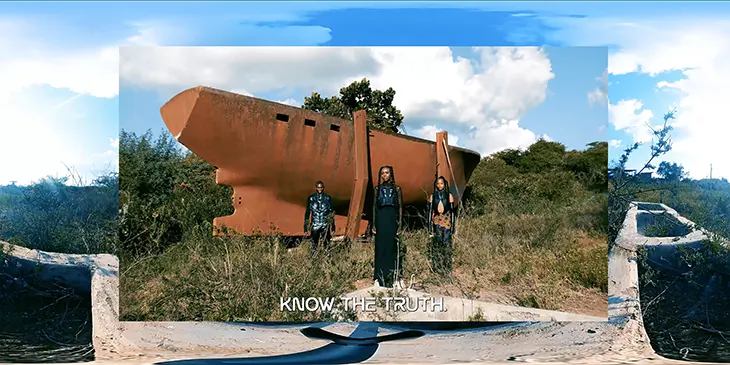
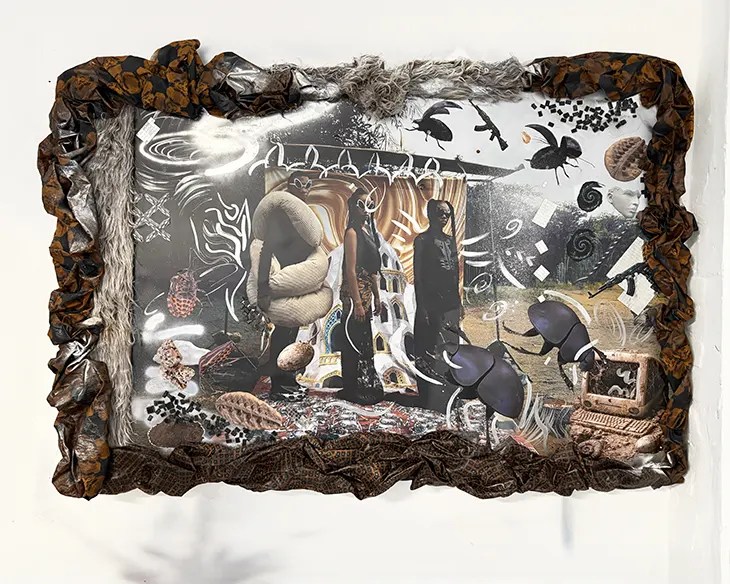
At the center of The Language of the Soil lies a hybrid mythological environment that combines documentary material, speculative storytelling, and installation. Ehrenstein focuses particularly on two communities connected through the global digital economy: workers in Nairobi who train large language models and copywriters in Cairo who produce content for OnlyFans. Their work forms a foundation for contemporary digital culture, yet remains largely hidden from those who interact with the platforms their labor supports.
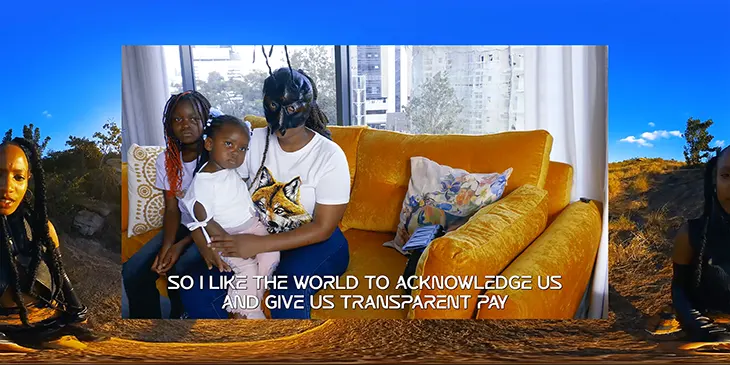
Ehrenstein frames artistic research as a collective process rather than an individual endeavor. As she explains, “My work understands artistic research as collective knowledge production. In The Language of the Soil, the focus is not on individual insight or ‘artificial’ intelligence, but on shared intelligence – on knowledge that forms between people, technologies, and stories, like light reaching many eyes.” This perspective shapes the exhibition’s structure, which unfolds through dialogue, collaboration, and shared authorship among artists, researchers, and platform workers.
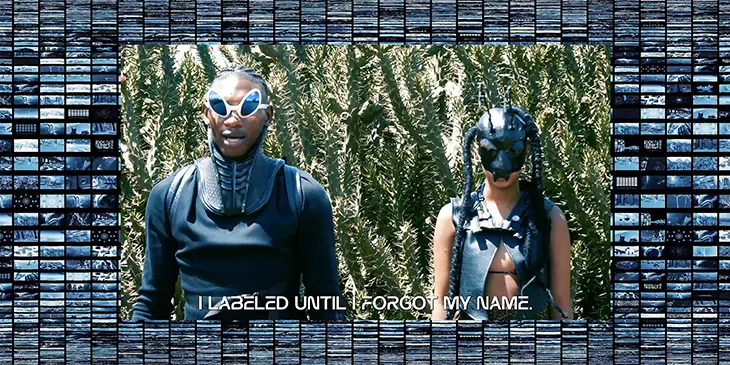
The exhibition draws on postcolonial theory, digital labor studies, speculative design, and nature writing to build its conceptual framework. Ehrenstein organized interviews, workshops, and storytelling sessions with platform workers, developing a layered narrative that reflects both individual experiences and broader systemic structures. Soil emerges as a central metaphor throughout the project. It represents origin, trace, and residue, referring to the often unseen labor embedded within digital infrastructures while also pointing toward historical hierarchies that continue to influence global economies.
A 40-minute 360-degree video anchors the exhibition space. The immersive film combines interview excerpts, workshop documentation, photographic material from Nairobi and Cairo, and elements of speculative fiction into a multi-layered narrative. Surrounding installations expand the experience through hand-painted 3D-printed sculptures and scenographic environments that translate the exhibition’s research into spatial form.
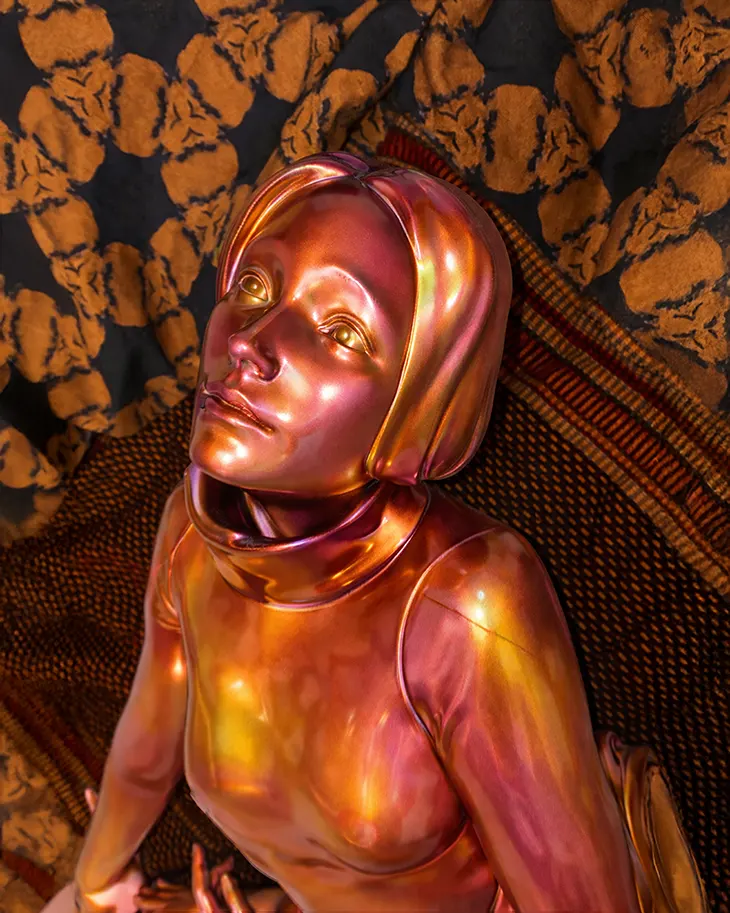
Through this combination of research, storytelling, and installation, The Language of the Soil invites visitors to reflect on the systems that sustain artificial intelligence and digital platforms. Ehrenstein encourages audiences to recognize the human labor embedded within these technologies and to consider their own role within the networks that shape contemporary digital economies. At the same time, the exhibition opens space for broader discussions about solidarity, agency, and resistance within increasingly automated systems.