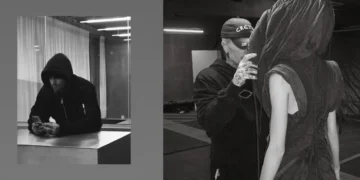



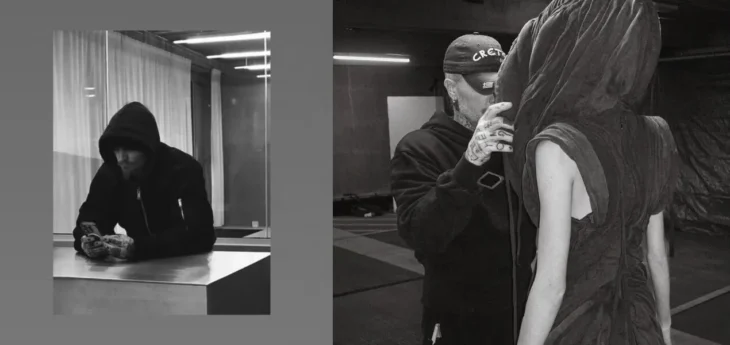
Han Kjøbenhavn’s creative universe begins with emotion. Designer Jannik Wikkelsø Davidsen works from memory, instinct, and the atmosphere of the environments that shaped him. In a fashion landscape dominated by speed and systems, his process follows a more intuitive path, guided by mood and lived experience. Another Day returns to the suburbs of his upbringing; the routines, textures, and quiet tensions that formed his early sense of identity. The silhouettes grow out of fragments, shaped by the way memory distorts and drifts, arriving as feeling before taking form.
ORDER IN PRINT AND DIGITAL
In this conversation with DSCENE Magazine’s Katarina Doric, Jannik speaks about masculinity as an environment, casting driven by energy, and the emotional charge behind materials often labeled “artificial.” He reflects on instinct, risk, and the discipline of remaining aligned with his internal state instead of outside expectations. Across fashion, film, and design, the world he builds expands through curiosity and discomfort, shaped by a need to create from what feels true in the moment.
Where do you see the greatest potential for disruption in fashion today? – An obvious answer is technological integration and supply chain, these areas are progressing extremely and a lot of incredible opportunities within that. But for me personally, real disruption has to come from emotions and the journey from crafting a story based on those emotions and then connect it with to an audience in a unique way – that’s my true romantic belief of how this industry should work and progress. Fashion has become very stems systematic, driven by strategies and financial perfection. I come from a place where creativity is rooted in deep emotions. When a garment carries an emotion, a specific memory, it naturally disrupts the noise around it.
When a garment carries an emotion, a specific memory, it naturally disrupts the noise around it.
Your shows often feel closer to psychological cinema than runway. What do you hope audiences feel when they enter your universe? – I want people to feel something familiar, but in a new way. Even a small shift in the everyday can create emotion. When audience and garment connect on a personal level, the experience becomes more than a show. If they leave with a feeling they can’t fully explain, but they know it was real – then I’ve achieved my goal.
With Another Day, you focus on the rituals of suburban life. How do these repetitions and small dramas connect to your ongoing interest in tension and distortion? – The suburbs are built on routine. Same places, same textures, same characters. But inside that simplicity, there’s energy – ambitions, fear, humor, frustration. I try to capture that tension. The familiar elements from my upbringing are still there, but slightly altered, pushed or distorted. That’s where my creativity lives.
Everything has to be natural and true. I don’t construct or engineer a fictional narrative.
You’ve described your work as autobiographical. Does disorder come naturally from revisiting your past, or is it something you actively engineer in your collections? – Everything has to be natural and true. I don’t construct or engineer a fictional narrative. Can’t protect the journey that way. My past is not a linear narrative. It’s fragments, moods, and emotions. When I work from memory, it doesn’t come back as a clean structure – it comes back as a feeling. I translate that directly into silhouettes and materials. The disorder isn’t the intention; it’s just the truth of how I remember.
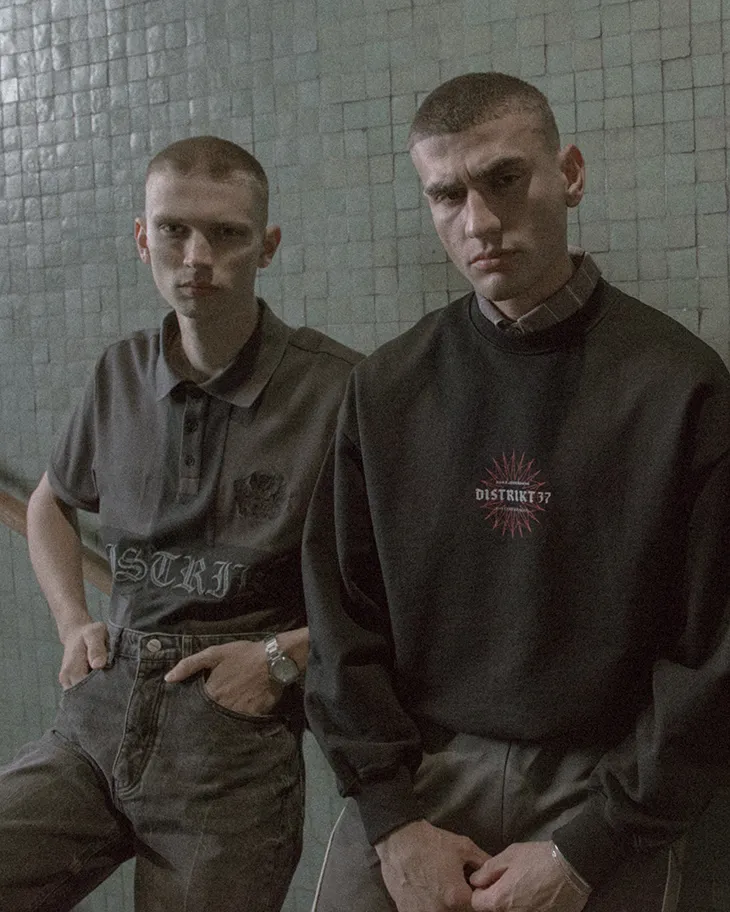
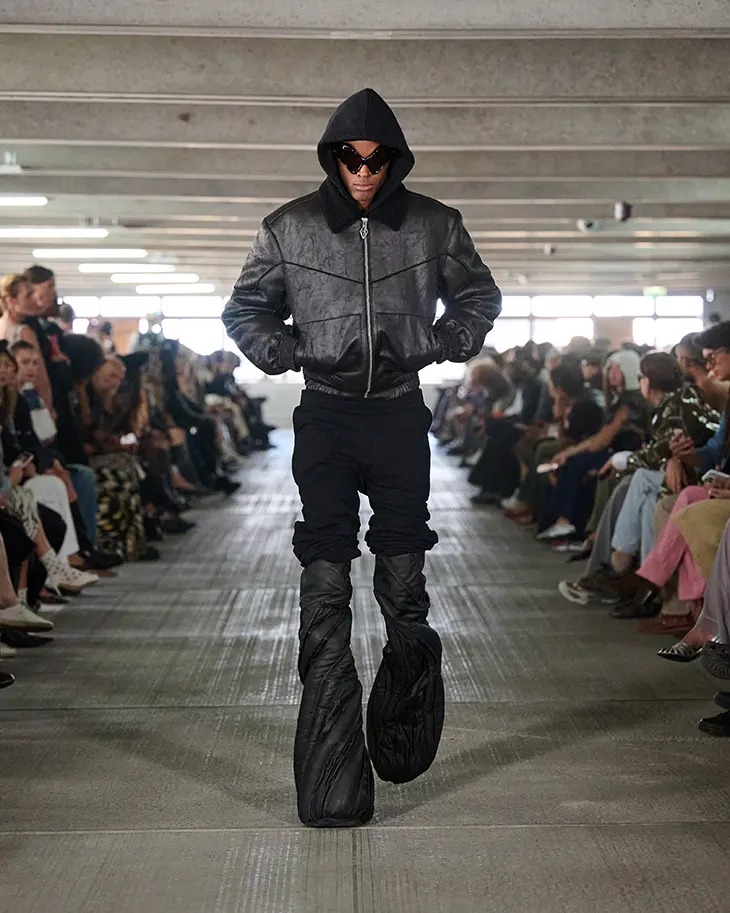
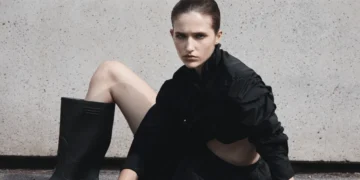
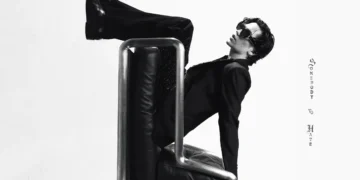
Masculinity is a recurring theme in your design language. How does your vision of masculinity evolve with each chapter, and where does Another Day place it? – Masculinity, for me, isn’t one fixed definition. It’s an energy I grew up with. Not glitter and glamour, but a life shaped by the suburbs – working-class environments, local sports clubs, everyday struggles and resilience. Some people carry masculinity in their expression, some don’t, but there’s an honesty and humility to those suburban characters that has stayed with me.The new collections continues to express that through the casting, the garments and the styling – a mix of people and energies that feels authentic to the world I come from.
Authenticity is not defined by luxury. It’s defined by the emotion behind the choice.
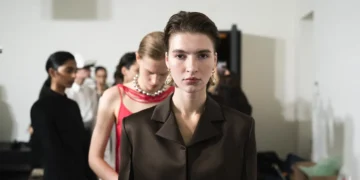
The casting in your shows avoids idealization, leaning into memory and realism. How do you approach beauty and representation in this context? – I never cast based on classic beauty ideals. I cast based on energy – on whether a person can embody the garment and bring it to life. There must be a relationship between model and piece that feels authentic. That kind of realism is what I consider beautiful.
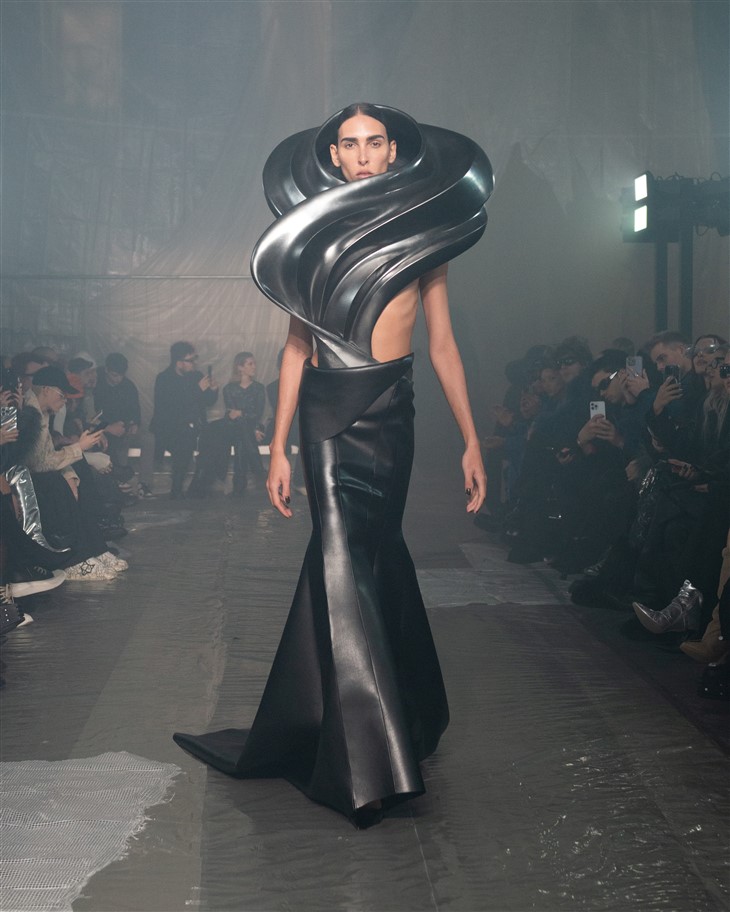
Han Kjøbenhavn has moved between fashion, film, and furniture. Where do you see the brand expanding its universe next? – We don’t have a calculated plan for this. Creatively we work pretty liquid and try to move into different spaces that feel right in that moment in time.
What I can say, is that I like to cross over to areas that are not perfectly complementary. I would look into something which feel very unfamiliar, something where I could learn from scratch and move into something completely different.
My work must reflect my state of mind in that moment, not what the industry asks for.
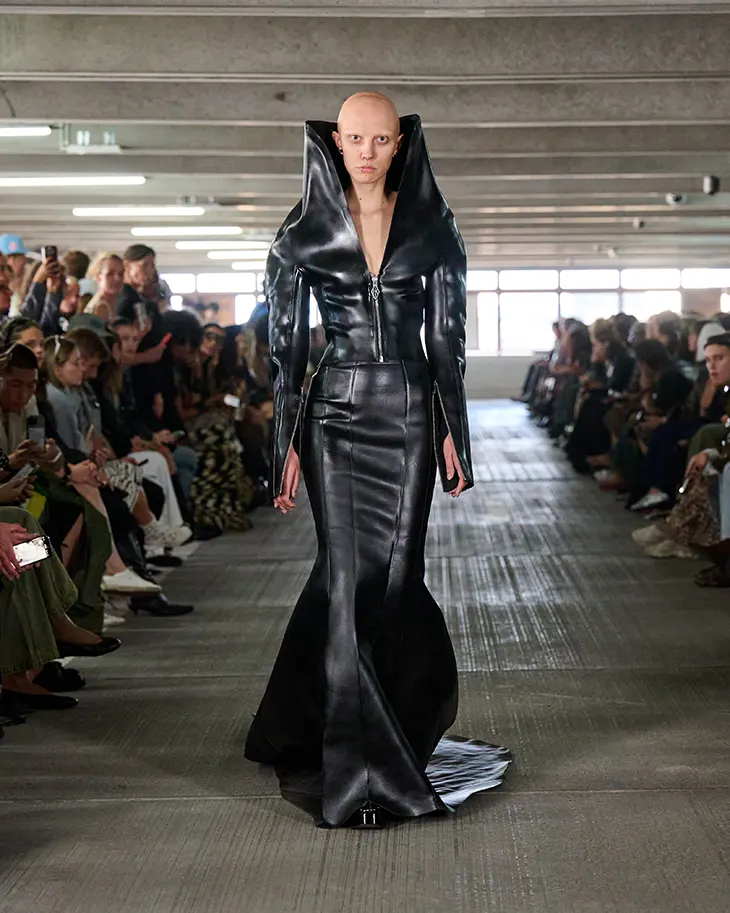
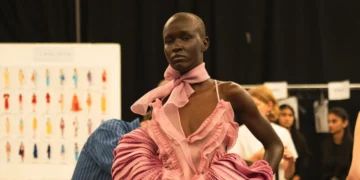
Artificial materials like faux leather and synthetic feathers play a big role in Another Day. What does “artificiality” mean to you in a culture obsessed with authenticity? – I grew up surrounded by synthetic materials – polyester track tops, faux leather jackets, shiny nylon. Those textures are part of my personal story. Using them is not about being artificial; for me, it reflects reality. Authenticity is not defined by luxury – it’s defined by the emotion behind the choice.

Looking back at the journey since founding Han Kjøbenhavn in 2008, what moments of risk do you feel shaped the brand the most? – We’ve always avoided being locked into one identity. Changing direction when expectations are clear is a risk – but it keeps the brand alive. My work must reflect my state of mind in that moment, not what the industry asks for. That approach has shaped the brand from the very beginning.
Everything is too fast.
If disorder is about rewriting the rules, what rules of fashion or culture would you most like to see undone in the years ahead? – Everything is too fast.
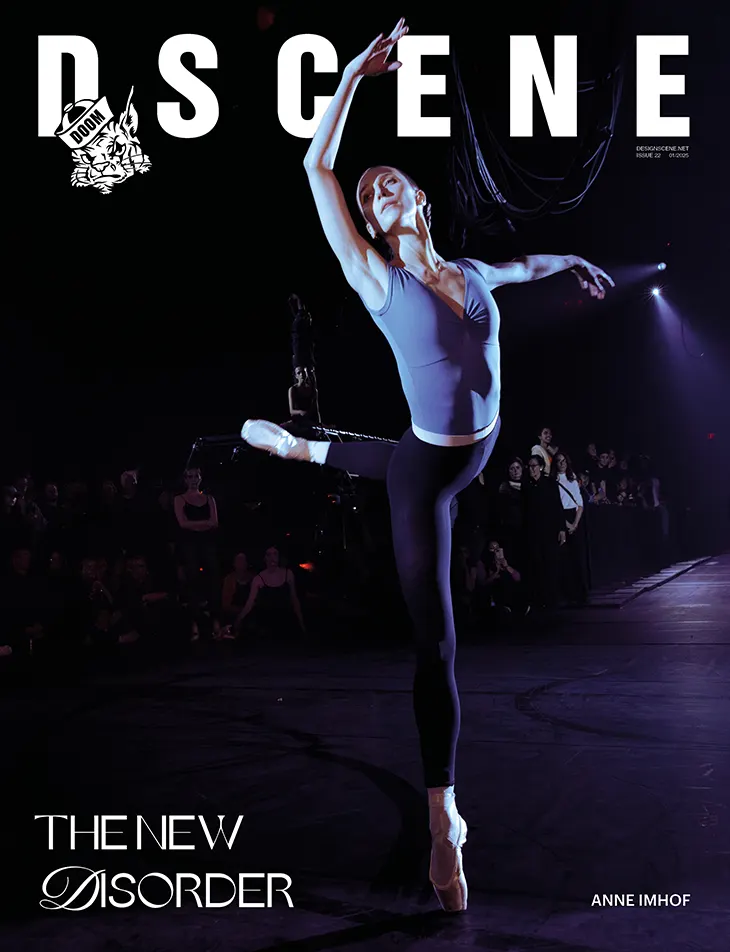
Originally published in DSCENE “The New Disorder” Issue.


One of the best to be honest I can’t stress how cool he is actually and people do not understand how Han has evolved over the commercial ones such as Rick Owen’s ✨