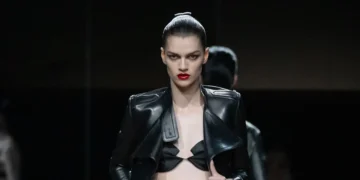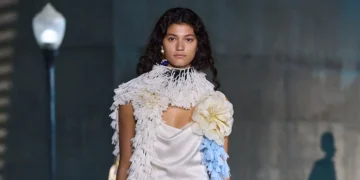



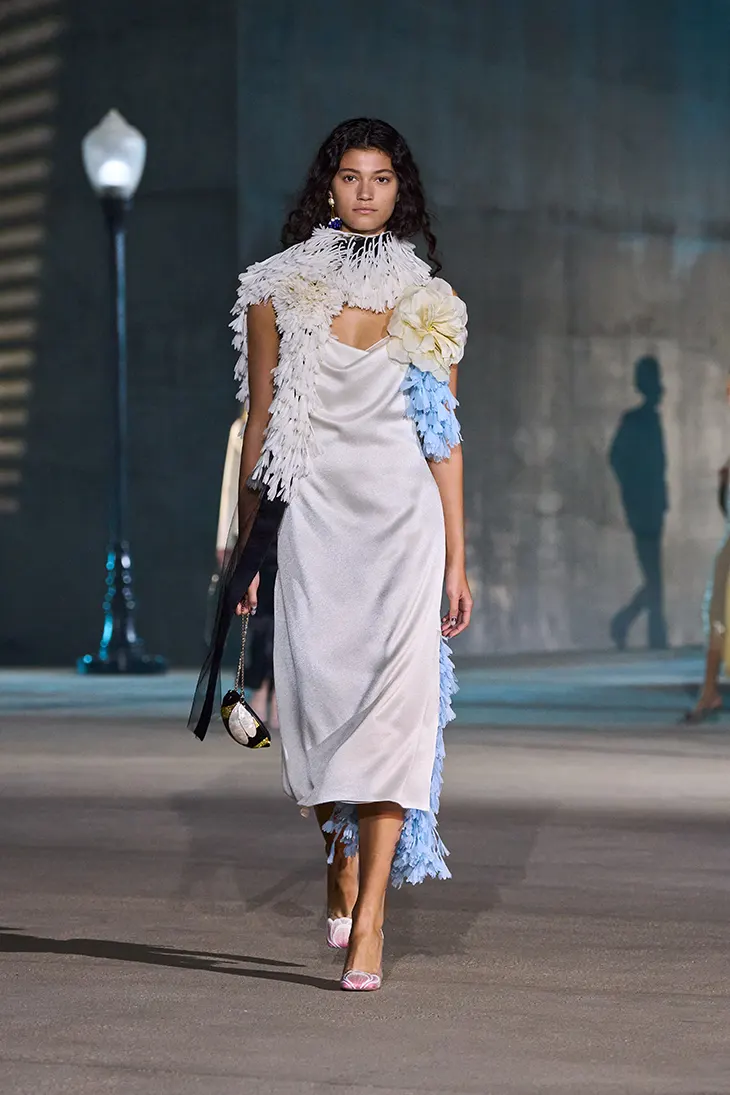
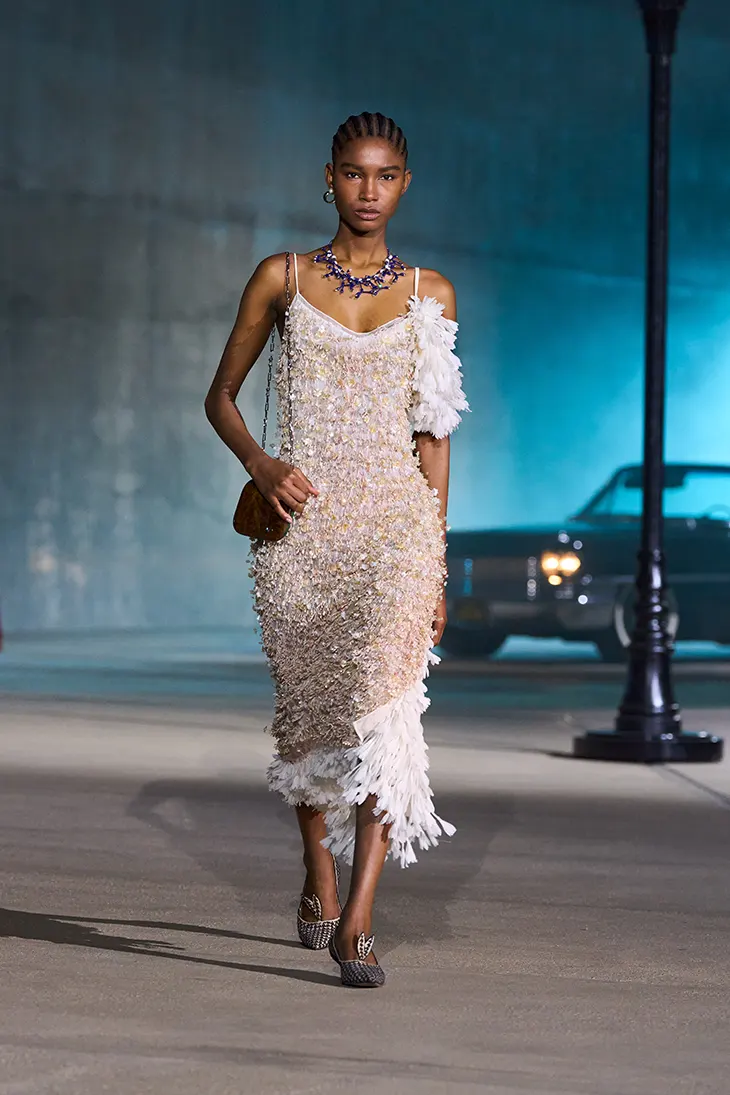
Dior Cruise 2027 arrived in Los Angeles with cinema as its central language. Presented at the Los Angeles County Museum of Art, the show placed Jonathan Anderson’s first Cruise collection for the House inside a city shaped by film, performance, fantasy, and image. Guests arrived on Wilshire Boulevard as the sun set over the Hollywood Hills, entering a show space described as an illusion of LA, in LA.
CRUISE COLLECTIONS
The collection began with a reference to 1949, when Alfred Hitchcock and Warner Bros executives negotiated with Marlene Dietrich for her role in Stage Fright. Dietrich famously insisted that her character Charlotte Inwood wear Dior on screen, giving the House one of its clearest links to Hollywood glamour. “No Dior, no Dietrich!” became the line that framed the collection’s cinematic origin point.
Jonathan Anderson placed that history within a wider Dior timeline. Christian Dior designed costumes for Le Lit à Colonnes in 1942 before founding his House. He received an Oscar nomination in 1955 for Terminal Station, while Les Enfants Terribles by Jean-Pierre Melville and Stage Fright both appeared in 1950. Anderson named Stage Fright as one of the main starting points for Cruise 2027, connecting the collection to Dior’s early work across couture and cinema.
Inside the fitting space in Los Angeles, Anderson pointed to the House’s long relationship with film. A moodboard gathered Dior designs worn by Lauren Bacall, Ingrid Bergman, Marlene Dietrich, Ava Gardner, Audrey Hepburn, Grace Kelly, Sophia Loren, Marilyn Monroe, and Elizabeth Taylor. Through these references, the collection examined how Christian Dior understood the dream as a form of postwar escapism. Anderson linked couture, Surrealism, and Hollywood’s Dream Factory as part of one cultural shift.
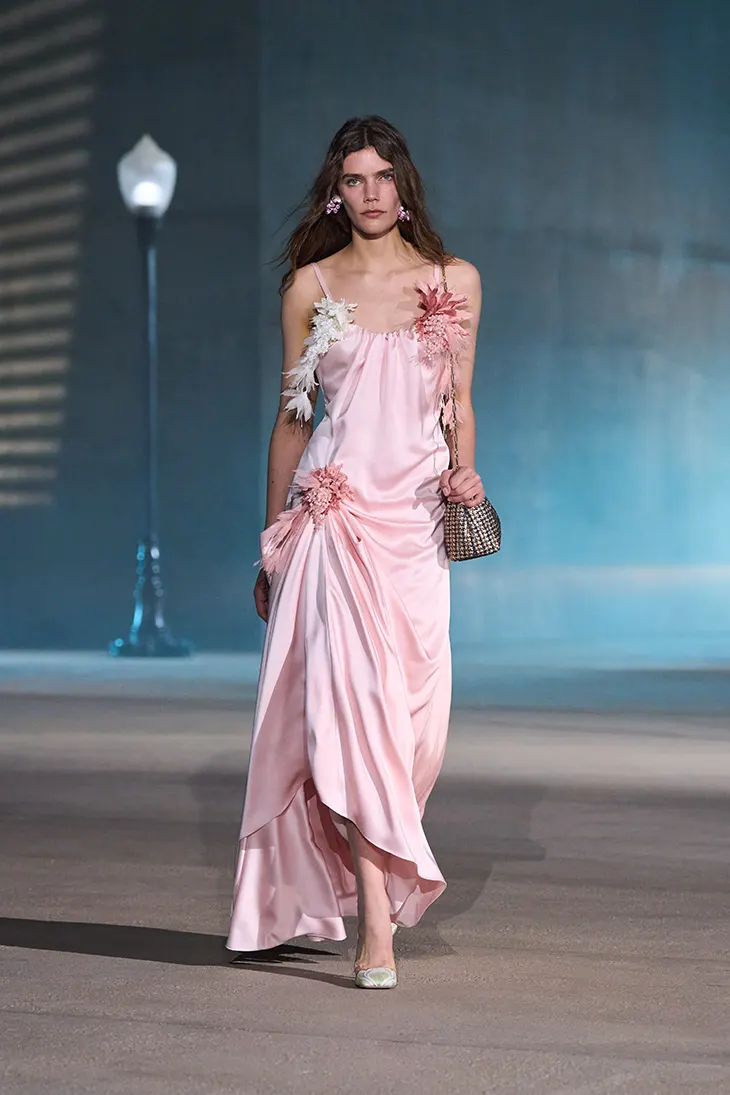
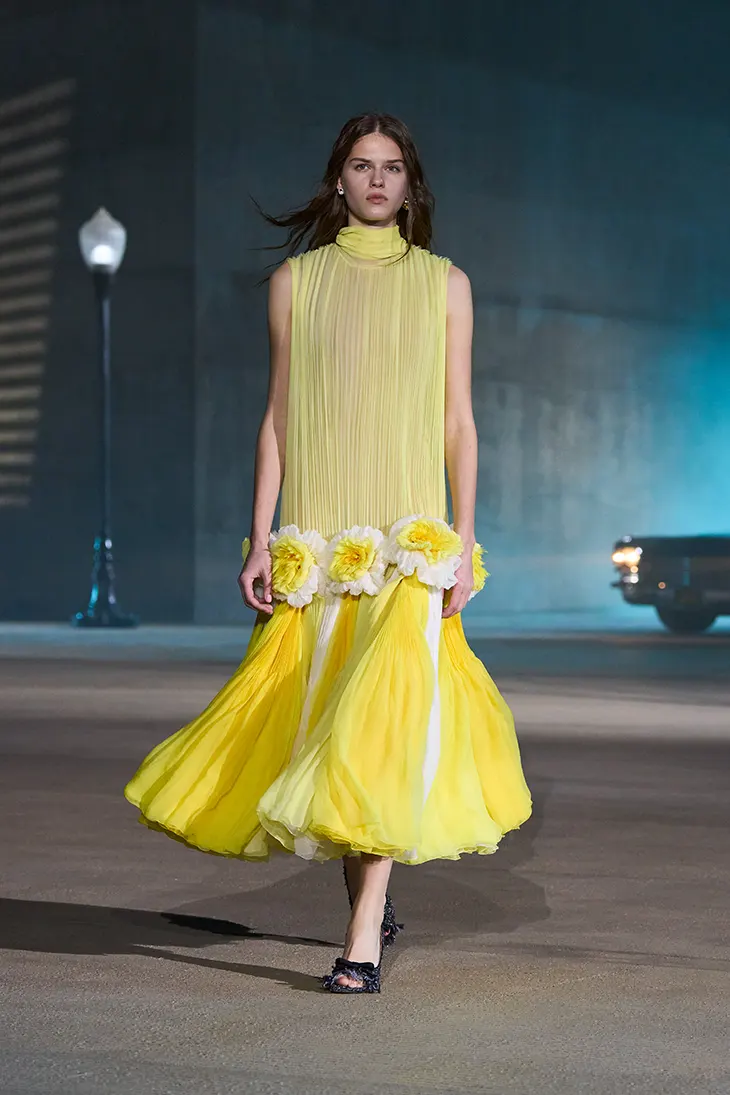
The runway opened as John Lee Hooker’s Murder began to play. A model appeared in a buttercup yellow dress decorated with rosettes, introducing flowers as one of the collection’s recurring motifs. A luminous orange dress followed, evoking a field of California poppies. Anderson identified the poppy as a key reference, while vintage American cars informed new Saddle bags finished with car paint surfaces and motor key charms.
As the show progressed, women’s looks gradually shifted toward menswear. The first men’s silhouettes featured bespoke headpieces by Philip Treacy, who revisited a technique he originally created for Isabella Blow’s Blow hat. For Dior Cruise 2027, Treacy shaped feathers into lettering and typography with precise structure while keeping the pieces light and animated.
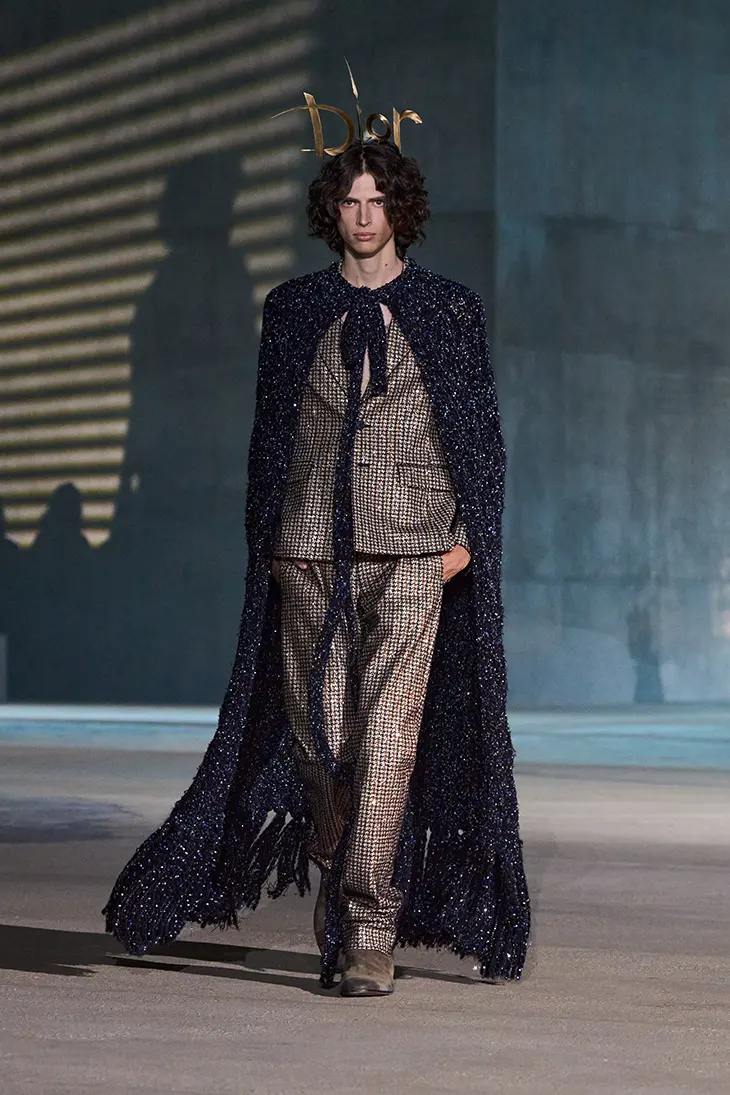
Film noir entered through a Dior Gray wool flannel coat striped with geometric shadows inspired by Venetian blinds. Shirts designed with artist Ed Ruscha followed, bringing another Los Angeles reference into the collection. Anderson described Ruscha’s work through its attention to the mundane and its relationship with the city’s grandeur.
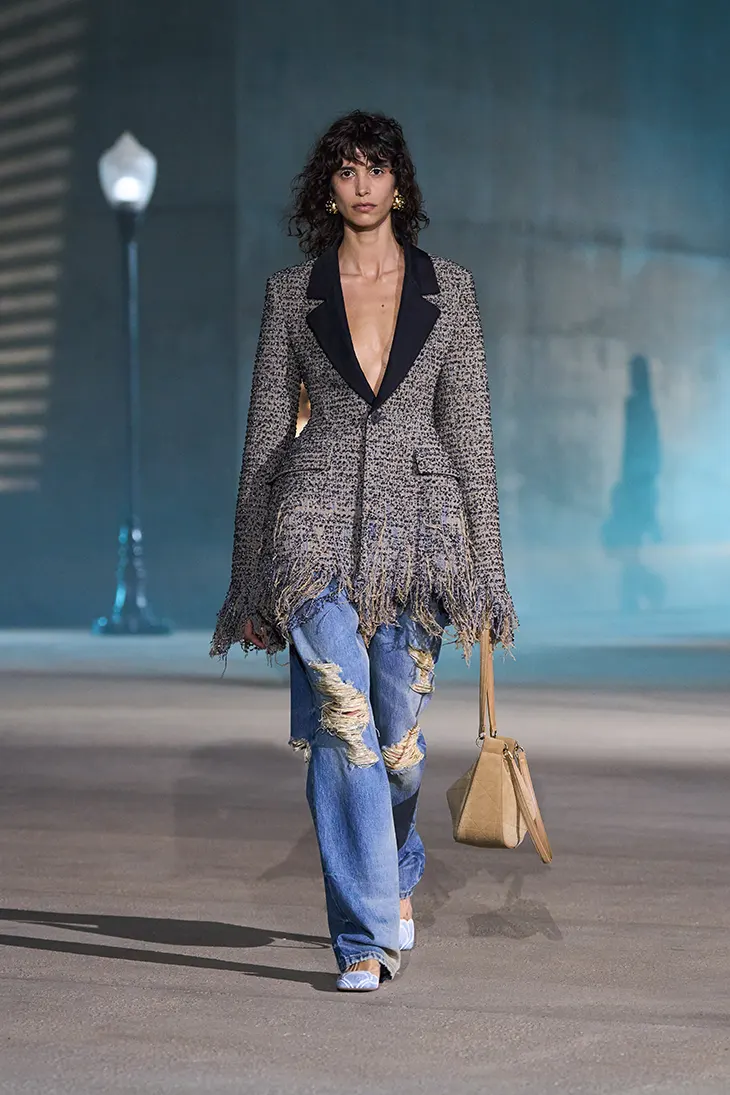
The collection also turned everyday garments into couture objects. Denim jeans appeared ripped and embroidered with fine silver chains that imitated cotton threads. A red dress gathered at one side and held at the waist with an abstract flower recalled Christian Dior’s habit of placing a red dress part way through a collection to wake the audience. Bags and shoes carried the same visual tension, from a nautilus-inspired minaudière to a new silhouette with a crescent-shaped base and footwear animated with flowers and sequins.