



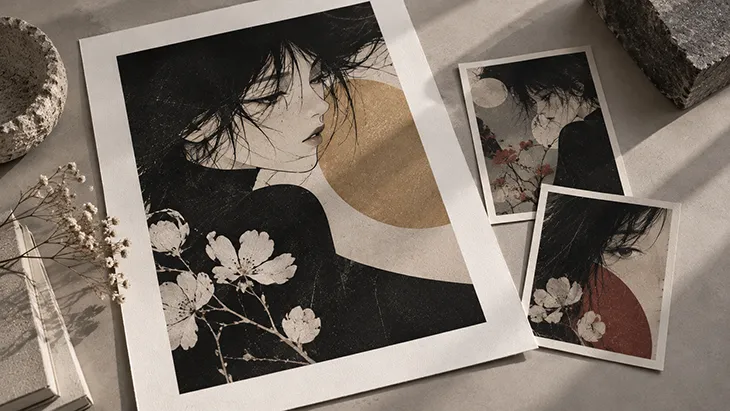
Artists can usually tell when merchandise feels special, even if they cannot immediately explain what makes it different. Some pieces feel worth keeping the moment they arrive, while others resemble a slightly upgraded version of an image already saved on your phone.
Both can be well-made and feature strong artwork. The difference usually comes from how the piece is produced, presented, and connected to the artist’s work.
Understanding what creates that difference is important for artists who want to make collectible merch instead of a generic product line.
Scarcity Signals Value Before Quality
The first thing that tends to separate collectible merch from generic products is limited availability. When a print, pin, or card remains available indefinitely in unlimited quantities, buyers know they can return to it at any time.
A numbered edition, one-time print run, or release tied to a specific event or anniversary changes that. The item belongs to a particular release and has a clear limit.
You don’t have to add scarcity to every single art you release. Artists who want to sell art prints online use limited variants, seasonal drops, or occasional numbered runs. Scarcity works best when it supports the artwork instead of becoming the entire reason to buy it.
Add Small Physical Details
Generic merch often relies entirely on the printed image. Collectible pieces usually include one or two physical details that distinguish them from a standard print.
That could be a foil-stamped detail, textured or uncoated paper stock, a numbered signature on the back, or slightly heavier card stock than expected.
None of these details needs to be expensive. They give the buyer something specific to notice in the object itself, from the texture of the paper to the way an edition number or signature marks an individual piece.
Packaging Is Part of the Product
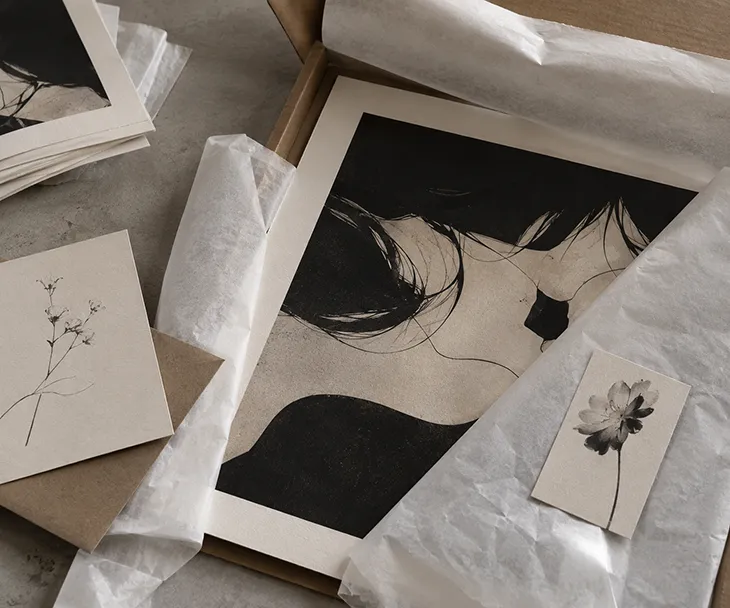
Unboxing is more important than most artists think. If a print arrives in a plain envelope, it’s very different from a print arriving in a branded sleeve, with a small thank-you card or wrapped with visible care.
This does not require expensive materials. The packaging simply needs to protect the item and show some continuity with the rest of the release.
Collectors specifically remember this moment, and it’s often what turns a one-time buyer into a dedicated buyer.
Connect the Art to a Bigger Story
Standalone pieces can work as collectibles, but merchandise becomes easier to follow when it connects to a recurring character, series, project, or personal narrative.
A print of an original character carries extra meaning for someone who has already seen that character in earlier works. The same applies to merchandise tied to an ongoing comic, exhibition, visual series, or group of related images.
This gives each object a place within something larger and gives returning buyers a reason to pay attention to future releases.
Be Consistent Across Your Product Line
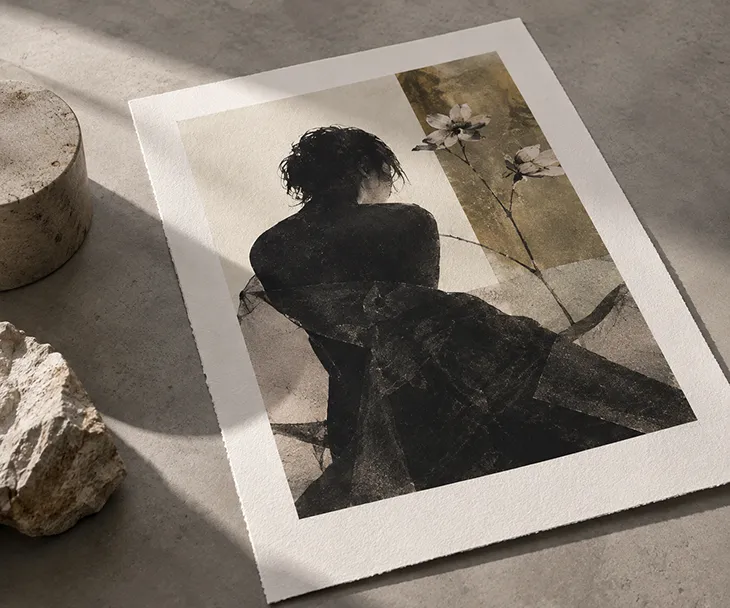
Collectible merch often belongs to a series, set, or themed collection. A single sticker on its own works differently from a set of six related stickers designed to belong together.
A shared colour palette, consistent border treatment, recurring typography, similar sizing, or a common theme can link several pieces from the same release.
That consistency helps buyers understand which items belong together and can encourage them to look at the collection as a set instead of a group of unrelated products.
The Artist’s Presence Adds Value
Another factor that separates collectible merch from generic merchandise is the artist’s direct presence in the release.
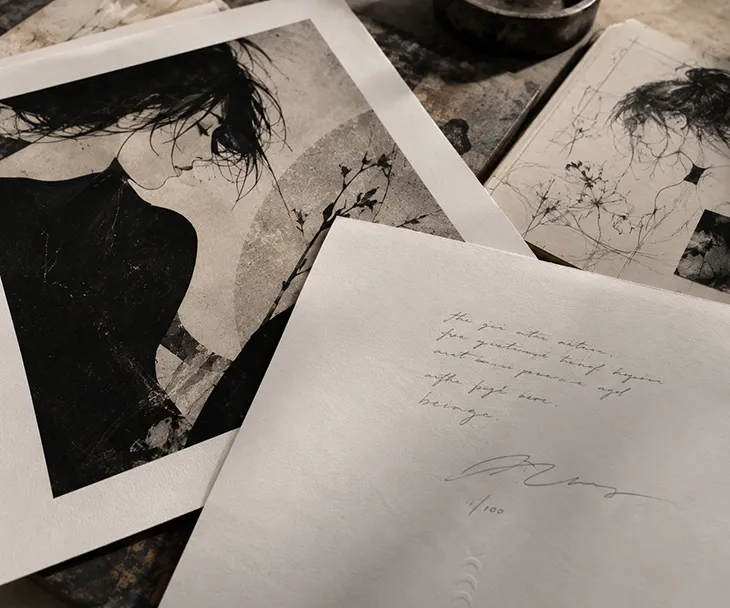
A signed print, a personal note about what inspired the piece, or a product description explaining where the work came from can add information that the image alone does not provide.
These details connect the physical item more directly to the artist who made it. For buyers who already follow that artist, that connection can become part of the reason they keep the piece.
None of This Requires a Huge Budget
Building collectible merchandise does not depend on expensive production. A simple print can gain character through paper choice, numbering, a signature, or packaging designed specifically for that release.
What matters is how the choices work together: limited availability, tactile details, packaging, and a clear connection to the artist’s wider body of work.
Expensive production does not guarantee the same result. If the object has no details beyond the artwork itself, a higher budget will not automatically make it collectible.
Make Merch People Want to Keep
The difference between generic and collectible merchandise often comes down to a series of smaller choices, from scarcity and texture to packaging and storytelling.
Together, those details give the item a specific place within an artist’s work. They show when it was released, what it belongs to, and why the physical version has value beyond the image itself.
Artists who consider those choices from the start can create merchandise that buyers are more likely to keep, display, and collect alongside future releases.