


Luxury shopping has picked up a strange second language. Shoppers no longer talk about wanting something, they talk about investing in it. A jacket becomes a portfolio addition. A bag becomes an asset. The framing is flattering, and it makes an expensive decision feel prudent rather than indulgent, which is probably why brands and resellers alike have leaned into it so hard.
The trouble is that most designer purchases lose money. Not slowly, either. The gap between what a piece costs new and what someone will pay for it a year later is often brutal, and the items marketed most aggressively as timeless are frequently the ones that fall hardest. A small handful of goods genuinely resist that decline. Understanding which ones, and why, is the difference between owning nice things and owning nice things you can eventually recover money from.
What “Holding Value” Actually Means
Before sorting winners from losers, the term needs pinning down, because it gets used loosely enough to be meaningless.
Resale price is the only honest scoreboard
A piece holds value if a stranger will pay a meaningful share of the original price for it on the open market. That’s it. Brand prestige doesn’t count. Neither does how much you love it. Resale platforms publish enough data now that this is measurable rather than theoretical, and the numbers rarely flatter the buyer. Most contemporary designer clothing resells for somewhere between fifteen and thirty percent of retail. Some of it resells for less than the tax you paid.
Rarity beats price tags
Expensive and scarce are different things. A brand can raise prices every spring and still flood the market with product, which keeps supply high and resale soft. Scarcity works the other way. Limited production, long waitlists, and controlled distribution create demand that outruns availability, and secondary prices climb to fill the gap. According to the Knight Frank Wealth Report, which tracks collectible categories alongside traditional assets, the luxury goods that appreciate reliably are almost always the ones buyers cannot simply walk in and purchase.

The Categories That Actually Perform
Certain product types have structural advantages. They’re durable, they’re standardized enough to price confidently, and they carry a buyer base that already trusts the resale market.
Handbags from a very short list
Structured leather handbags from a few French and Italian houses remain the strongest performers, and the reason is supply discipline rather than design genius. These brands produce limited quantities, decline to discount, and raise retail prices annually, which drags the secondary market up behind them. Classic shapes in neutral leathers do best. Seasonal colors and novelty hardware do noticeably worse, even from the same maker.
Watches, within reason
Mechanical watches from established Swiss brands hold value well, particularly steel sports models with long waiting lists. Everything else in the category is far more mixed. Fashion-brand watches, quartz movements, and heavily complicated pieces from smaller houses tend to shed value like any other accessory. Precious metal helps at the floor, since gold retains melt value, but that’s a consolation prize rather than a strategy.
Fine jewelry and the material floor
Jewelry benefits from something clothing never gets: intrinsic worth. Gold and platinum have a commodity price underneath the design. Signature pieces from recognizable houses trade well above that floor, though the premium depends heavily on the brand’s current cultural position. Unbranded fine jewelry usually settles near material value, which is modest but rarely catastrophic.
Ready-to-wear, briefly
Clothing is the weakest category, with narrow exceptions for archival runway pieces, certain outerwear, and collaborations produced in genuinely small numbers. Shoes are worse still, because wear shows immediately and sizing fragments the buyer pool. Buy these because you want them. Bain & Company’s ongoing luxury goods market research has tracked how quickly apparel cycles through relevance compared with hard goods, and the pattern is consistent across market conditions.

What Destroys Value Fastest
Knowing the strong categories only gets you halfway. Plenty of buyers purchase the right item and still lose most of their money, usually for reasons that were avoidable.
Trend design ages badly
Logo-heavy pieces, dramatic silhouettes, and anything tied to a specific viral moment collapse quickly once the moment passes. The resale market punishes datedness harder than it punishes wear. A plain bag from fifteen years ago can outperform a striking one from three years ago without much trouble.
Condition and paperwork
Missing dust bags, lost receipts, and absent authenticity cards can knock a meaningful percentage off resale value. Scuffed corners and stretched handles cost more. Resale platforms grade condition strictly, and the drop between “excellent” and “very good” is larger than most owners expect. Rebag’s Clair Report breaks down how condition and completeness affect pricing across specific models, which is worth reading before you throw away a box.
Fitting Luxury Into a Real Financial Plan
None of this matters much if the purchase itself puts you underwater. Resale value is a cushion, not a justification, and treating a discretionary buy as an investment is the fastest route to owning something beautiful you resent.
Decide the number before you shop
Set a discretionary spending figure first, separate from savings contributions and debt payments, and treat it as fixed. Shopping inside a defined budget changes what you notice. You start comparing pieces against each other rather than against your ability to stretch, and stretching is where regret lives.
Where technology helps
Working out how a large purchase fits alongside retirement contributions, an emergency fund, and existing debt used to require either a spreadsheet habit or a paid advisor. That’s changed. An AI financial planner can model the trade-offs quickly, showing what a four-figure purchase does to your savings timeline and whether the money is better parked elsewhere for now. These tools are useful precisely because they’re unsentimental. They don’t care how good the bag looks. They’ll tell you plainly if the purchase delays a goal you said mattered more, and that friction is often enough to slow down a decision that deserves slowing down.
Buying Like Someone Who Might Sell
The practical habits are simple and mostly free.
Start on the secondary market
Buying pre-owned removes the steepest part of the depreciation curve. Someone else absorbed it. Well-kept pieces from strong categories often resell for close to what a secondhand buyer paid, which turns a purchase into something closer to a long rental.
Keep everything
Boxes, cards, receipts, original packaging. Store items away from sunlight and humidity. Have leather goods repaired by the brand where possible, since third-party work can hurt resale. These sound fussy, and they add up to real money later.
Finally, most designer purchases are expenses wearing a costume. A narrow set of items, scarce, durable, well-documented, and conservatively designed, genuinely resists depreciation, and buying within that set is a reasonable thing to do if you also want the object itself. The mistake is inverting the order. Buy something because you’ll use it and enjoy it, then choose the version most likely to retain value, and keep the purchase sized to a budget you set while thinking clearly. Resale strength is a hedge against regret. It was never a reason to spend.
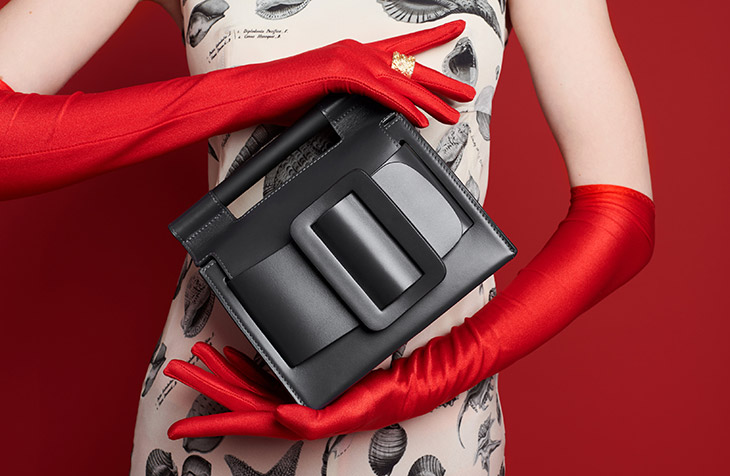
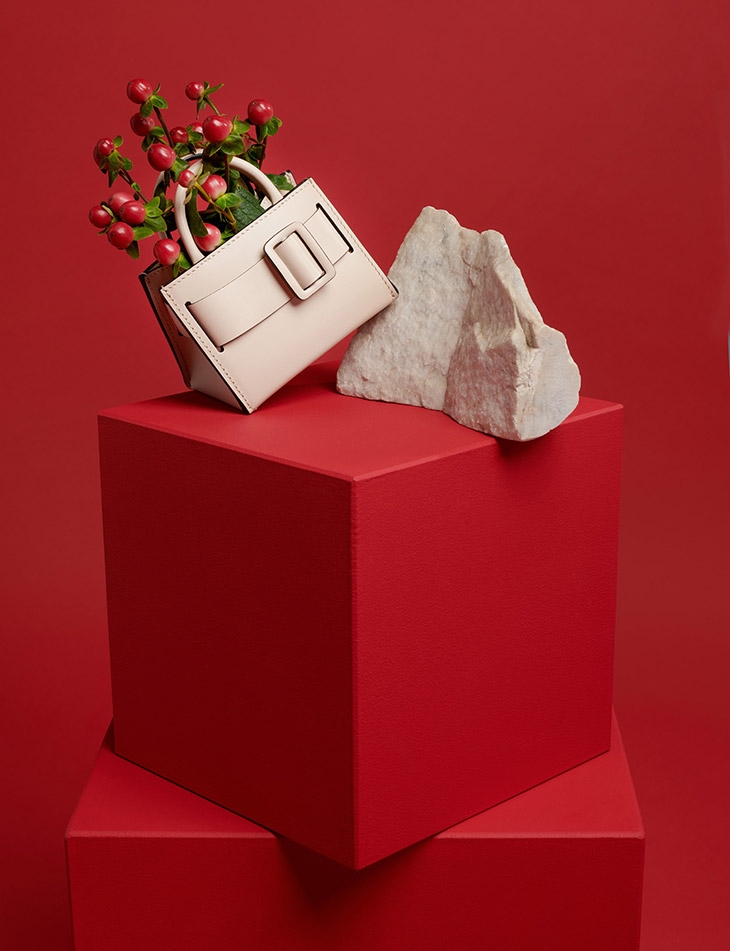
Images from Wrapped in Red by Pascale Weber – discover full story here.