


Home offers a place where the pace of the day slows and the body can reset. After hours filled with work, screens, and constant information, many people search for environments that support rest and mental balance. This shift has encouraged homeowners to shape parts of their homes around relaxation and wellbeing.
Interest in wellness continues to grow. A survey conducted by McKinsey with more than 9,000 participants reported that over 84 percent of U.S. consumers view wellness as an important part of daily life. Analysts expect this focus on wellbeing to increase in the coming years.
This growing interest has led many homeowners to design areas dedicated to rest and recovery. A wellness space can begin with a simple setup. Even a small area can support relaxation, reflection, and physical recovery.
What Is a Home Wellness Space
A home wellness space refers to an area arranged to support relaxation, reflection, or gentle physical activity. It offers a setting where daily stress fades and the body settles into a calmer state.
The size and layout of the area depend on personal habits. Some people dedicate a full room. Others arrange a corner of a bedroom, living room, or garden structure.
Examples of Home Wellness Spaces
- A yoga area with mats and light exercise equipment
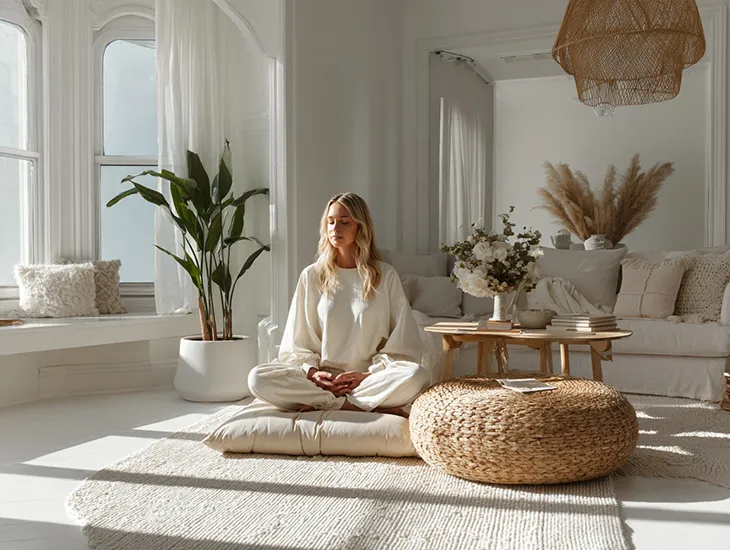
- A meditation corner with cushions and soft lighting
- A reading space with comfortable seating and warm light
- A small spa area with heat-based relaxation features
The main goal involves creating an environment that supports comfort and mental balance.
Why a Wellness Room Matters
Surroundings influence mood and stress levels. Many people experience relaxation when entering a well-designed room with balanced light, natural materials, and pleasant scent.
Research supports this connection. Studies on environmental psychology show that surroundings influence emotional responses and stress levels. Adjustments to lighting, sound, scent, and visual elements can help lower tension and support relaxation.
A home wellness room also offers several practical advantages.
Convenience
Travel to a spa or wellness center often requires planning and commuting. A dedicated area at home allows regular use with easy access and flexible timing.
Stress Relief
A calm environment encourages mental reset. Soft lighting, minimal clutter, and comfortable materials help the body release tension.
Support for Physical and Mental Wellbeing
Activities such as meditation, stretching, reading, or breathing exercises help maintain mental balance and physical recovery.
Personal Expression
Every element can reflect personal taste. Homeowners select colors, furniture, materials, and equipment that align with their habits and comfort.
8 Tips to Create a Relaxing Home Wellness Space
1. Begin With Personal Needs
Start by identifying the activities planned for the space. Some people focus on meditation or breathing exercises. Others prefer stretching, yoga, reading, or quiet reflection.
This decision guides later choices involving layout, furniture, and lighting.
2. Choose a Suitable Area and Clear the Space
Many homes contain underused areas that work well for wellness activities.
Possible Locations
- A guest bedroom
- A basement corner
- An attic room
- A garden shed
- A quiet corner of the living room
After selecting the location, remove unused furniture and unnecessary objects. Clearing visual clutter helps the space feel open and calm. Soft textiles can help create a calmer atmosphere once the space is cleared and defined. Layered bedding or easy-care duvet covers, such as those from Doze, can support comfort and make the space feel more inviting
Questions to Consider
- Does the area remain peaceful and away from busy household zones?
- Can the lighting shift throughout the day?
- Does the space allow comfortable movement?
- Does the room provide sufficient ventilation?
Rooms designed for heat-based relaxation practices benefit from proper airflow.
3. Consider Optional Wellness Features
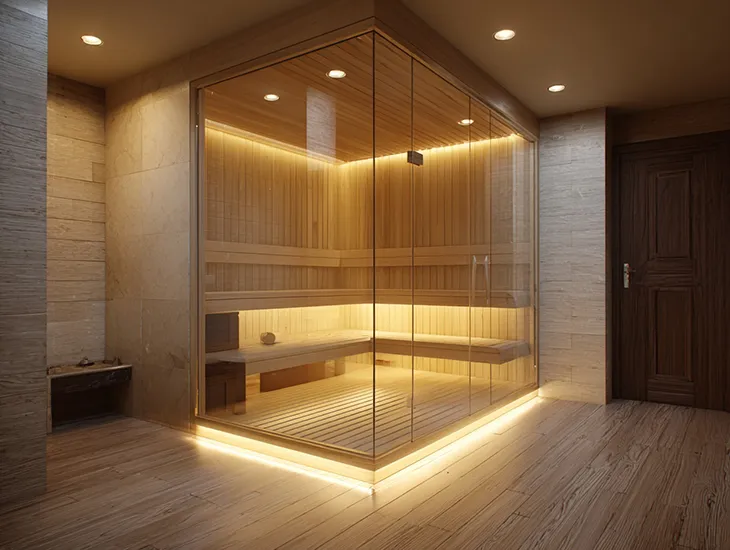
Some homeowners include additional elements that support physical relaxation. Heat-based practices often involve a sauna.
Traditional saunas heat stones that release steam called löyly when water touches the surface. Warm air relaxes muscles and encourages physical comfort.
Research continues to explore potential health effects linked to sauna use. Some studies suggest possible connections with improved circulation and reduced stress.
4. Add a Meditation Area
A meditation corner encourages stillness and mental clarity. Even a small section of the room can serve this activity.
Useful Elements
- Floor cushions or a meditation bench
- Soft rugs or mats
- Gentle lighting
- Simple decorative objects
Room dividers or tall plants can separate the meditation area from the rest of the room.
Lighting also shapes the experience. Warm light supports evening relaxation, while brighter light works well for daytime reading.
5. Introduce Natural Elements
Many spa environments include natural materials such as wood, plants, stone, and water. Designers refer to this approach as biophilic design.
Research published through PubMed in 2019 studied participants in several interior environments. Participants located in spaces containing natural materials recovered from stress and anxiety more quickly.
Natural materials soften interiors and support a calm atmosphere.
Examples
- Wooden furniture or wall panels
- Indoor plants such as peace lilies or snake plants
- Stone decorative pieces
- Small tabletop fountains
These features add texture and gentle sensory stimulation.
6. Shape the Atmosphere With Light, Scent, and Sound
Atmosphere influences how the body responds to a space.
Light
Adjustable lighting works well in wellness rooms. Warm bulbs, candles, and diffused lamps create a comfortable environment for relaxation.
Scent
Lavender remains one of the most studied aromas associated with relaxation and sleep quality. Research published in the Journal of Alternative and Complementary Medicine connected lavender exposure with improved sleep quality.
Other calming aromas include eucalyptus or sandalwood.
Sound
Consistent sound environments support relaxation.
Examples include:
- White-noise machines
- Ambient instrumental music
- Nature sound recordings
These soundscapes create separation between the wellness space and the rest of the home.
7. Personalize the Space
Personal details transform the room into a private sanctuary.
Decor Ideas
- Artwork featuring forests, oceans, or mountains
- Minimal abstract pieces
- Short affirmations such as “Breathe” or “Restore”
Color selection also influences mood. Research on color psychology suggests that blue, green, and soft neutral tones help reduce physiological arousal.
8. Maintain the Space
A wellness room benefits from regular upkeep. Small daily habits keep the area welcoming and organized.
Helpful Habits
- Returning objects to their place after use
- Refreshing textiles or cushions
- Watering plants regularly
- Adjusting lighting or scent elements
Regular updates allow the space to adapt to changing routines and personal needs.
Also Read: How To Create A Wellness Sanctuary In Your Backyard
Finally, a home wellness space reflects personal routines and habits. Some people dedicate full rooms to relaxation, while others create smaller areas that support rest and reflection. Even a modest space can provide a meaningful retreat from the demands of daily life.