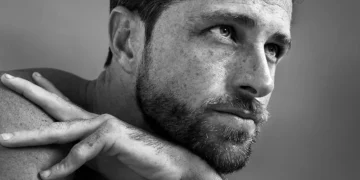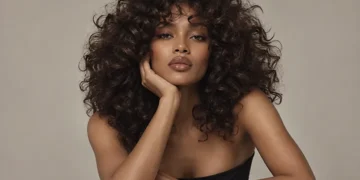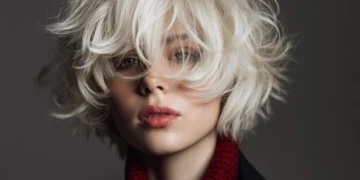



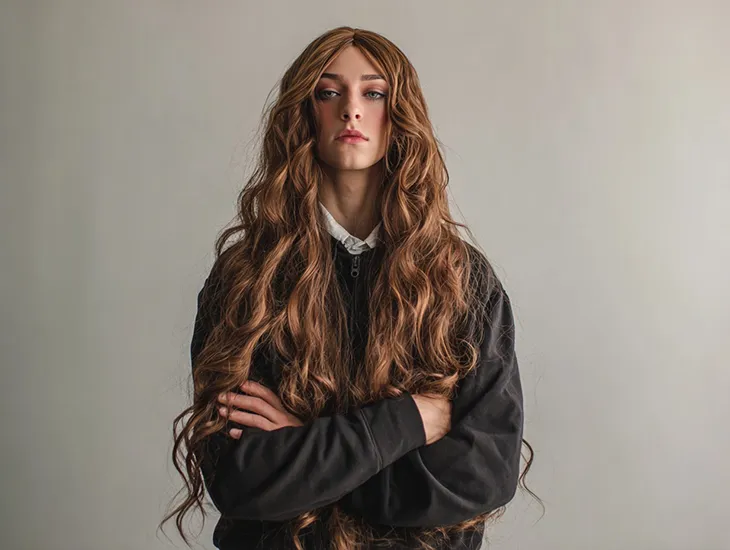
Editorial fashion operates under relentless visual scrutiny. High-resolution photography, digital zoom, and ultra-sharp production standards leave little room for imperfection. Garments attract attention through cut, proportion, and material, yet hair frequently determines how a fashion image feels as a whole. Stylists and photographers rely on hair to complete the visual language of a shoot, shaping the way viewers interpret the model, the styling, and the collection itself. Within that process, premium human hair wigs have gained growing relevance. What once served as a practical styling tool now functions as a refined craft that supports the visual identity of contemporary fashion imagery.
The Shift Toward Hyper-Realism
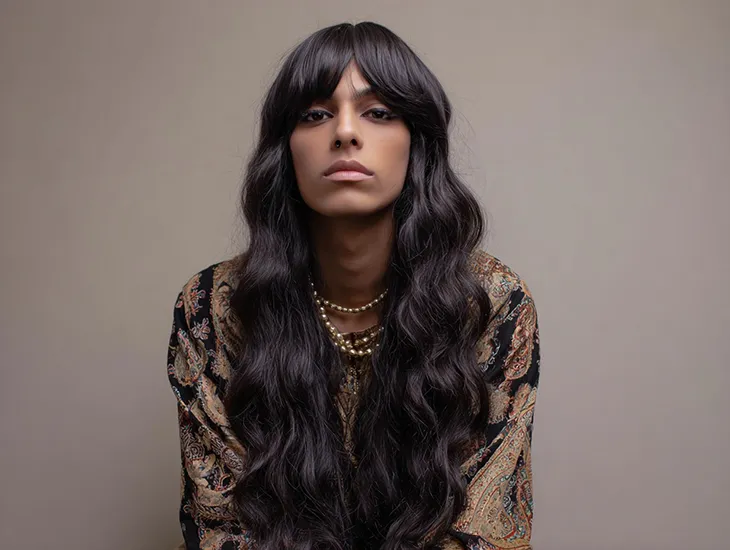
Fashion imagery today favors believable surfaces and natural texture. Editorial teams and runway stylists seek hair that reacts to light, wind, and styling tools in ways that resemble natural growth. Synthetic fibers often reveal their limitations under strong lighting conditions. Cameras capture uneven shine and rigid structure, which disrupts the visual coherence of an editorial photograph or runway presentation.
Human hair wigs provide an alternative that aligns with these visual expectations. Each strand preserves the original cuticle layer, allowing light to reflect with subtle variation and depth. This quality produces the soft sheen associated with healthy hair. Stylists can brush, curl, braid, or straighten the hair using the same techniques applied to natural hair.
This is where the craftsmanship behind the best lace wigs becomes essential. Ultra-fine lace bases allow the wearer’s scalp to remain visible beneath the hairline, creating a natural transition between wig and skin. Under studio lighting or runway illumination, this transparency produces an effect that appears authentic even in high-definition imagery.
The Architecture of the Hand-Tied Knot
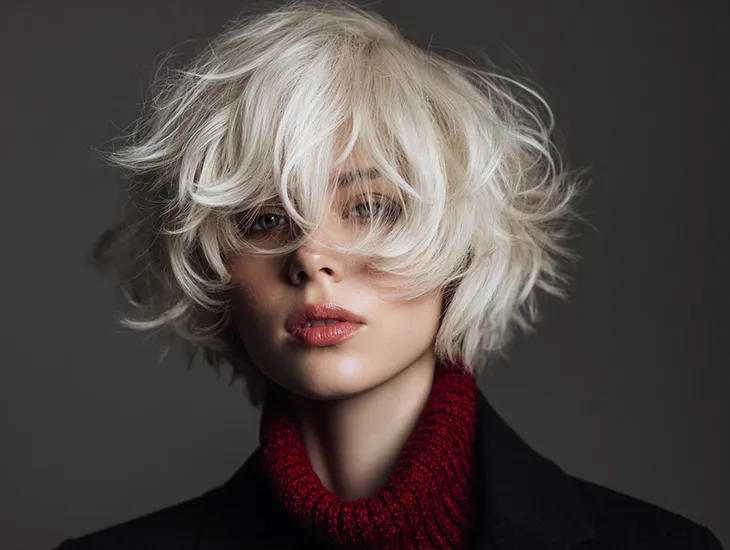
Premium wigs rely on complex construction methods that require extensive handwork. Artisans build many luxury hairpieces through ventilating, a technique in which individual strands are tied into lace mesh one by one. This process demands patience and refined technical skill. Depending on density and length, a single wig may require many hours of careful work.
Ventilating determines how the hair falls and how it behaves during styling. Artisans study natural growth patterns and replicate them within the lace structure. The direction of each knot influences how the hair lifts from the scalp and how it responds to brushing, parting, or curling. Through these adjustments, the hairpiece achieves an appearance that resembles natural growth.
This underlying architecture also supports flexibility during editorial styling. A stylist may change the hairstyle several times during a shoot. A sleek center part may appear in one photograph, followed by textured volume or loose waves in the next frame. The internal construction allows those transformations while maintaining structural integrity.
Expert Perspectives on Texture and Integrity
Material sourcing plays a major role in premium wig production. Many luxury hairpieces rely on Remy hair, a category in which cuticles remain aligned in one direction from root to tip. This alignment preserves smooth texture and reduces tangling during styling.
As Tiana Robinson, a renowned Hair & Wig Specialist and Beauty Writer at UNice, often emphasizes in her explorations of hair aesthetics, the true hallmark of a premium piece lies in its structural integrity and its ability to withstand high-fashion manipulation. According to Robinson, the transition from raw material to a finished editorial piece requires a deep understanding of hair health and lace technology, ensuring that the final product offers both longevity and a seamless visual narrative.
Sustainability and the Investment Mindset
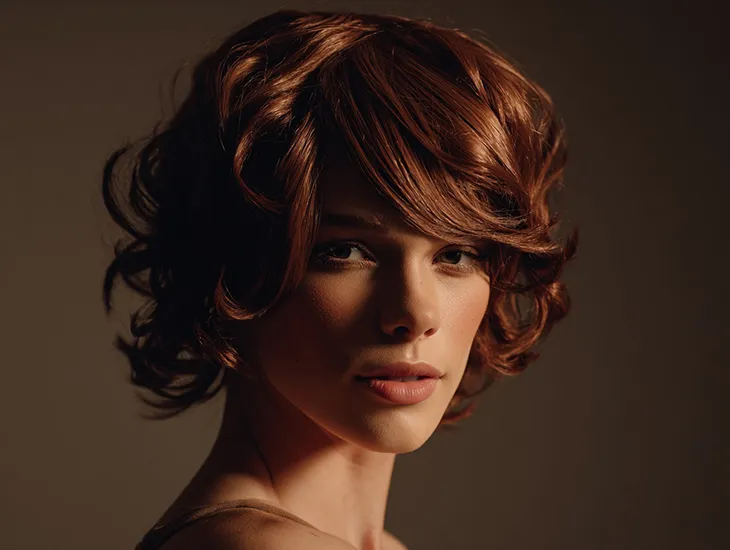
The fashion industry has begun to reassess how materials are sourced and used. Within hair artistry, premium wigs align with an investment approach to styling. A high-quality human hair wig can undergo repeated styling sessions over an extended period. This durability reduces the need for constant replacement.
Stylists treat these pieces as reusable tools within editorial production. Because the hair can be colored, curled, or straightened repeatedly, a single wig may support numerous creative concepts. This long-term usability encourages a more resource-conscious approach to styling.
Designers and creative directors also value reliability during demanding shoots and runway presentations. Human hair maintains structure during long studio sessions and adapts to different styling techniques. This resilience supports consistent visual results throughout the production process.
The Invisible Signature
The appeal of premium hair artistry lies in its ability to support the illusion of natural beauty. When constructed and styled effectively, a wig integrates with the wearer’s features in a way that appears authentic in both photography and runway presentation. Viewers rarely consider the technical process behind that illusion, yet each strand contributes to the final image.