


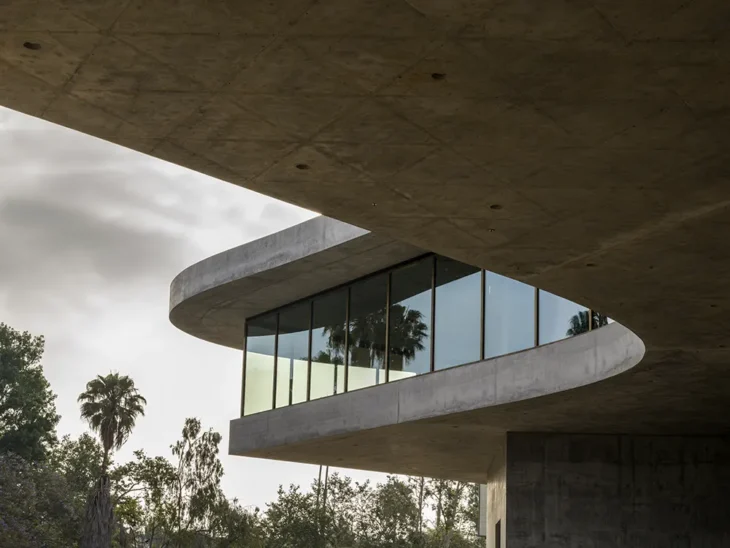
Dior will present its Cruise 2027 show in Los Angeles on May 13, selecting Los Angeles County Museum of Art as the setting for the collection. The show will take place across the museum’s grounds, positioned in direct dialogue with the institution’s newly opened building designed by Peter Zumthor.
EVENTS
The decision places Dior within one of the most closely watched architectural projects in Los Angeles. Zumthor’s building, awarded through the Pritzker Prize lineage, introduces a distinct spatial language that shifts how the museum operates across its site. Dior’s choice to stage the Cruise show within this context sets up a clear relationship between fashion and architecture, where the collection unfolds against a structure defined by material precision and controlled scale.
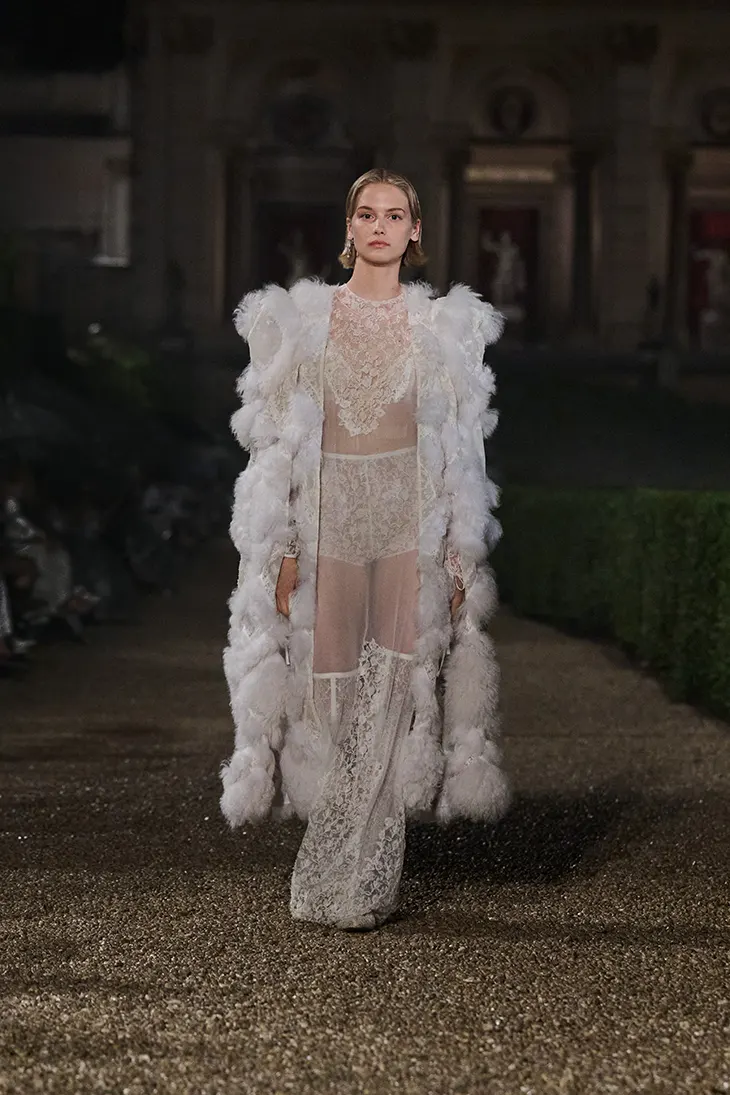
For Jonathan Anderson, the presentation marks a first. Cruise 2027 will be his debut Cruise collection for Dior, bringing his direction into a format historically tied to movement, travel, and site-specific staging. The Los Angeles setting extends that logic, aligning the collection with a city that continues to shape conversations around image, production, and cultural visibility.
LACMA operates here as both location and framework. The museum’s grounds allow for a distributed presentation, where the show can move across open and built space while maintaining a connection to Zumthor’s architecture. This approach situates the collection within a broader field, where environment and construction influence how the work is seen and experienced.
Dior has consistently approached its Cruise presentations through carefully selected locations, using each setting to frame the collection within a specific context. Los Angeles introduces a different set of conditions. The city’s relationship to film, fashion, and contemporary art creates a layered environment where the show functions across multiple registers at once.
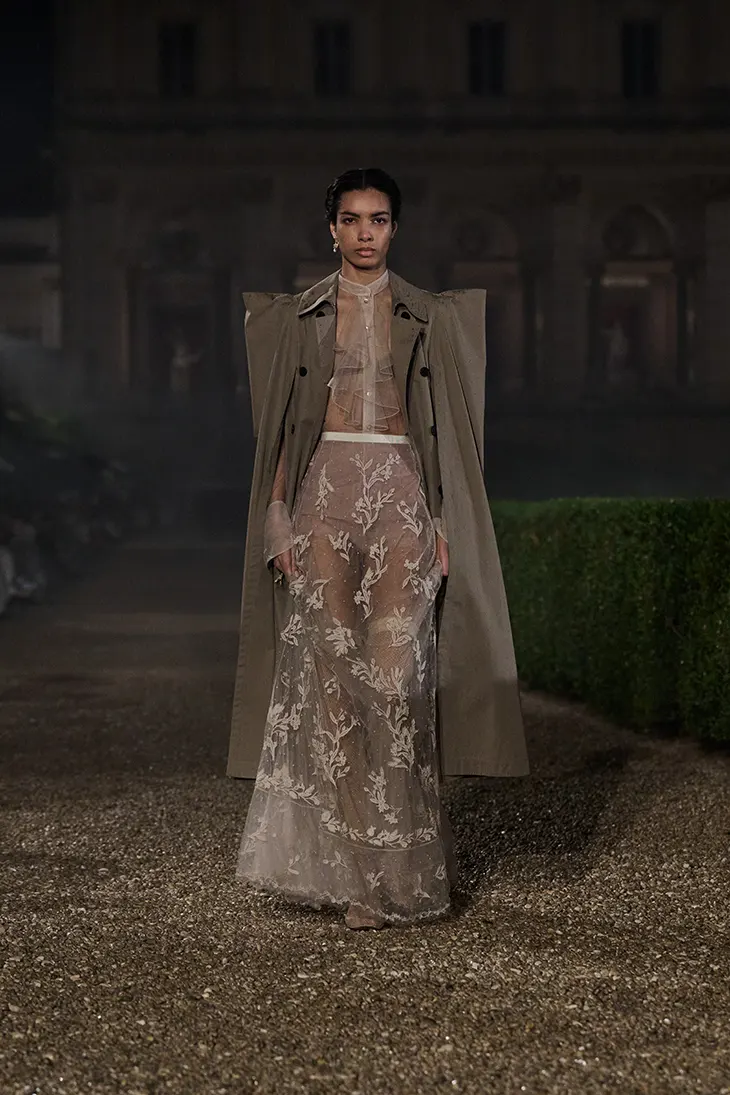
The timing of the event also places attention on LACMA’s new phase. Zumthor’s building has only recently opened, and its presence continues to define the museum’s current identity. Dior’s show enters this moment directly, using the site at a point when its architectural language remains under active scrutiny.
Within this framework, Anderson’s debut Cruise collection arrives with a clear focus on placement. The choice of LACMA, the scale of the grounds, and the presence of Zumthor’s building establish a controlled setting where the collection can operate with precision. The show positions Dior within a conversation that extends beyond fashion, engaging architecture, site, and the conditions that shape how design is presented.