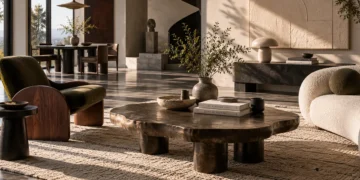



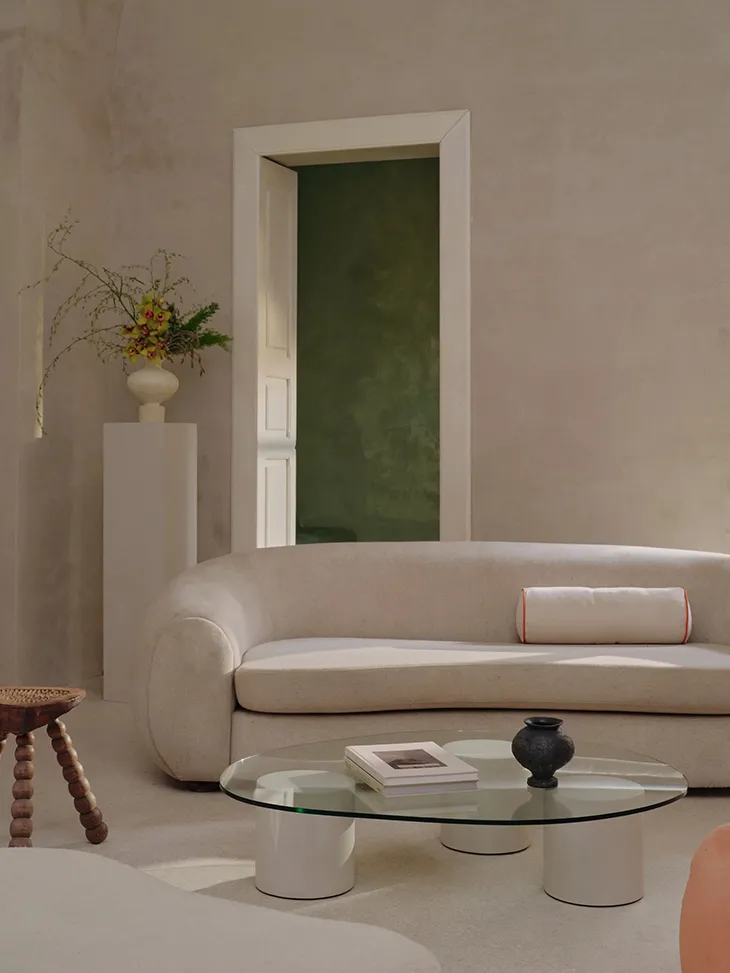
Mid-century modern design reshaped the home between 1945 and 1970 through clean lines, functional forms, natural materials, and everyday comfort. The postwar years changed how people lived. New houses, smaller apartments, open-plan rooms, and wider access to mass production created demand for furniture that could serve daily life with greater efficiency. Designers responded with lighter forms, smarter construction, and objects that treated usefulness as part of beauty.
Charles and Ray Eames helped define American modernism through molded plywood, fiberglass shells, and lounge seating shaped around comfort and engineering. Their Eames Lounge Chair and molded shell chairs remain among the most recognizable designs of the period. Hans Wegner refined the wooden chair through proportion, joinery, and hand-finished detail, with the Wishbone Chair showing how structure could carry warmth and grace. Arne Jacobsen connected furniture to architecture through pieces such as the Egg Chair and Swan Chair. Florence Knoll gave homes and offices a disciplined vocabulary of sofas, desks, tables, and storage. Pierre Paulin brought curved forms, low profiles, and ergonomic experimentation into French interiors through designs such as the Mushroom Chair and Ribbon Chair.
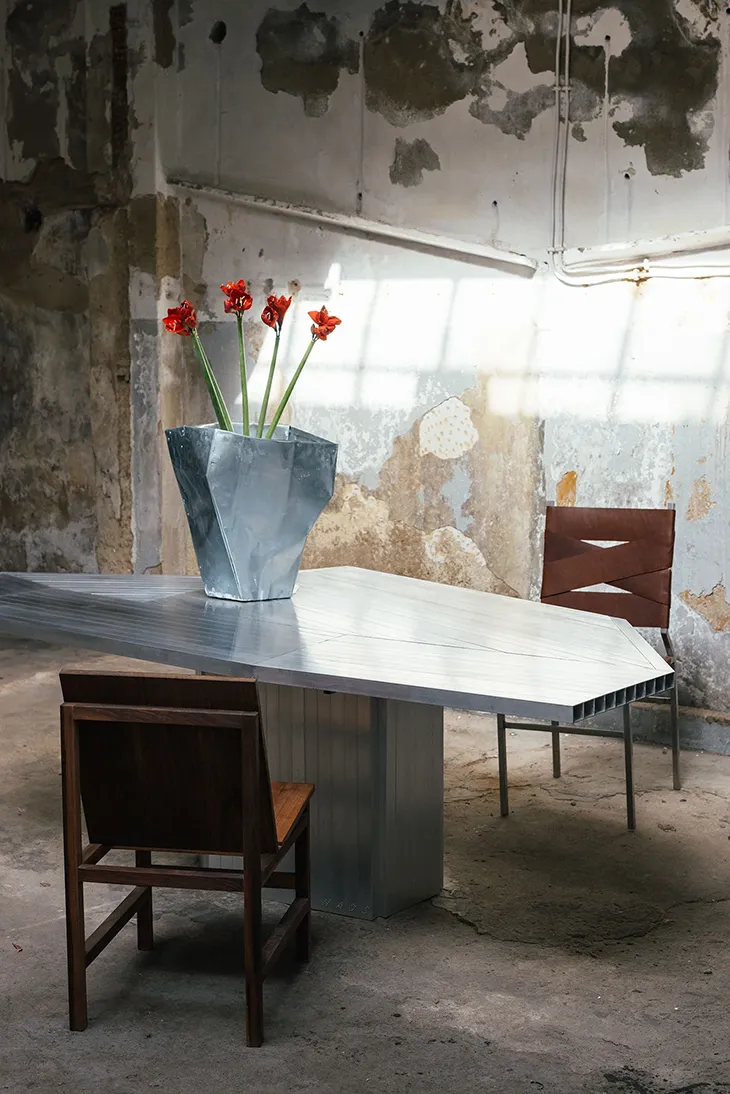
How to Recognize Mid-Century Modern Furniture
Mid-century sofas often run low, sideboards stretch horizontally, and chairs combine slim frames with generous support. Legs taper, arms stay clean, and cabinets rely on flat fronts, recessed pulls, sliding doors, and visible wood grain.
Teak, walnut, rosewood, oak, leather, wool, cane, chrome, glass, and molded plastic defined much of the period. Wood grain gave cabinets, tables, and chairs their character. Fiberglass allowed curved shells. Chrome gave chairs and tables a lighter frame. Cane softened structure. Leather and wool added texture and comfort.
The strongest pieces temper geometry with curves, rounded corners, shaped seats, and sculptural backs. A dining chair may look simple from a distance, then reveal complex joinery up close. A lounge chair may use one curve to support the body and define the silhouette. Form, comfort, and construction stay closely connected, which gives mid-century furniture its lasting relevance inside contemporary interiors.

Where to Find Authentic and Quality Reissued Pieces
Authentic mid-century furniture can come from vintage dealers, estate sales, auctions, specialist galleries, and design-led online selections. Each route offers a different kind of access. Auctions can bring rare pieces with documentation, while dealers often provide restoration history, maker details, and condition notes. Estate sales require a sharper eye, but they can reveal furniture that stayed in private interiors for decades.
Curated platforms such as The Oblist, which offers a selection of Mid century furniture from independent designers and editors, have become valuable resources for collectors and interior designers seeking authentic pieces.
Reissues require their own judgment. The most reliable examples come from licensed manufacturers connected to original design rights or archives, with dimensions, materials, and production standards that respect the first designs. Vintage pieces offer a different value: surface wear, earlier production details, and the material presence that comes from decades of use. A strong collection can include both, as long as each piece earns its place through proportion, quality, and relevance to the interior.
How to Integrate Mid-Century Pieces Today
A contemporary interior rarely needs a full mid-century scheme. One strong piece can give the room a clear point of view, whether that means a walnut sideboard in a dining area, a lounge chair near a window, or a low coffee table beneath large artwork. The strongest interiors use mid-century furniture as part of a wider conversation between periods, materials, and scale.
A vintage chair can work beside a contemporary sofa when the proportions feel considered, while a mid-century cabinet can bring warmth to a room shaped by stone, plaster, or glass. Wood, leather, cane, chrome, and wool give these pieces enough range to sit comfortably in current interiors, especially when the room allows contrast between texture, surface, and volume. The goal is balance. A strong mid-century piece should feel lived with, useful, and connected to the rest of the room.
Why Collectors Still Want It
Collectors return to mid-century modern furniture because the best pieces carry design history into daily use. A Hans Wegner chair, an Eames lounge design, or a Florence Knoll sofa can function inside a home while holding cultural and market value. Interest has grown around early editions, rare materials, documented provenance, and pieces that retain original details.
Durability gives the category another advantage. Many mid-century pieces have stayed in use for decades because their makers understood structure, proportion, and material behavior. A well-built cabinet, table, or chair can age with grace when owners maintain the wood, upholstery, joints, and finish properly.
Licensed reissues keep the category accessible to buyers who want major designs with correct dimensions and approved production standards. Vintage pieces offer patina, earlier manufacturing details, and a closer connection to the period. The choice depends on how the piece will live: a dining chair used every day may make sense as a reissue, while a rare cabinet or lounge chair may interest a collector who values age, surface, and documented history.
Images courtesy of The Oblist