


As luxury fashion continues to rethink the relationship between responsibility and desirability, a new kind of strategic work is becoming increasingly important: work that connects sustainability not only to messaging, but to the systems through which products, materials, packaging, retail environments, and brand meaning are created.
FASHION
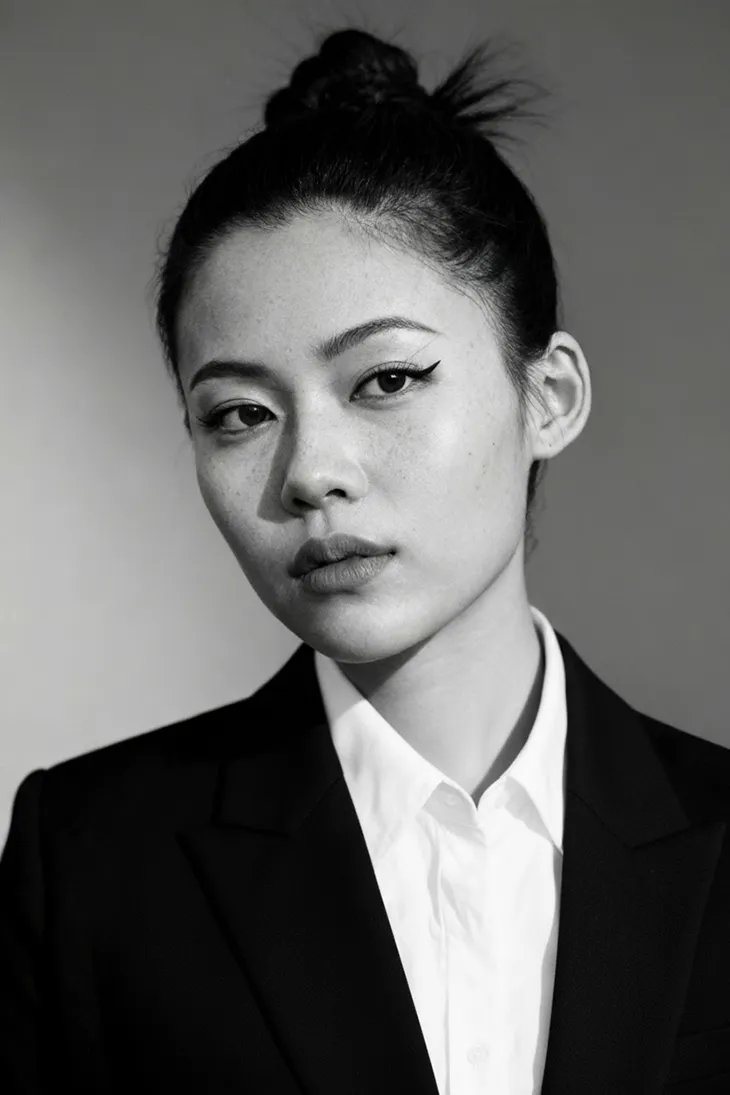
Helin Tu’s practice sits within that space. Based in New York, Tu works across luxury product strategy, brand direction, and sustainability-led value creation. Her work examines how environmental responsibility can be translated into the material, visual, and experiential language of luxury, rather than treated as a separate communications layer after a product or campaign has already been developed.
Across corporate sustainability initiatives and independent brand-building projects, Tu has developed a cross-disciplinary approach that connects product logic, brand storytelling, sensory experience, and long-term commercial value. Her work represents a broader shift in luxury: sustainability is no longer only about what brands say publicly, but about how value is designed into the product system itself.
Reframing Sustainability Through Product Systems
One of the clearest examples of Tu’s work can be seen through her involvement with LVMH LIFE 360 Summit Act II, part of the Group’s environmental roadmap and the first public edition hosted in the United States. LVMH, the world’s largest luxury group, brings together 75 Maisons across fashion and leather goods, wines and spirits, perfumes and cosmetics, watches and jewelry, and selective retailing. Through LIFE 360, the Group has advanced a long-term environmental framework spanning circularity, biodiversity, climate, and creative responsibility.
Within this context, Tu’s proposal for the future of luxury sustainability drew the attention of LVMH North America Chairman & CEO and Group Environment Development Director Hélène Valade. She was selected to participate as a U.S. regional representative, placing her in a leadership-facing sustainability program where participants were expected to translate LVMH’s environmental objectives into actionable proposals for the luxury sector.
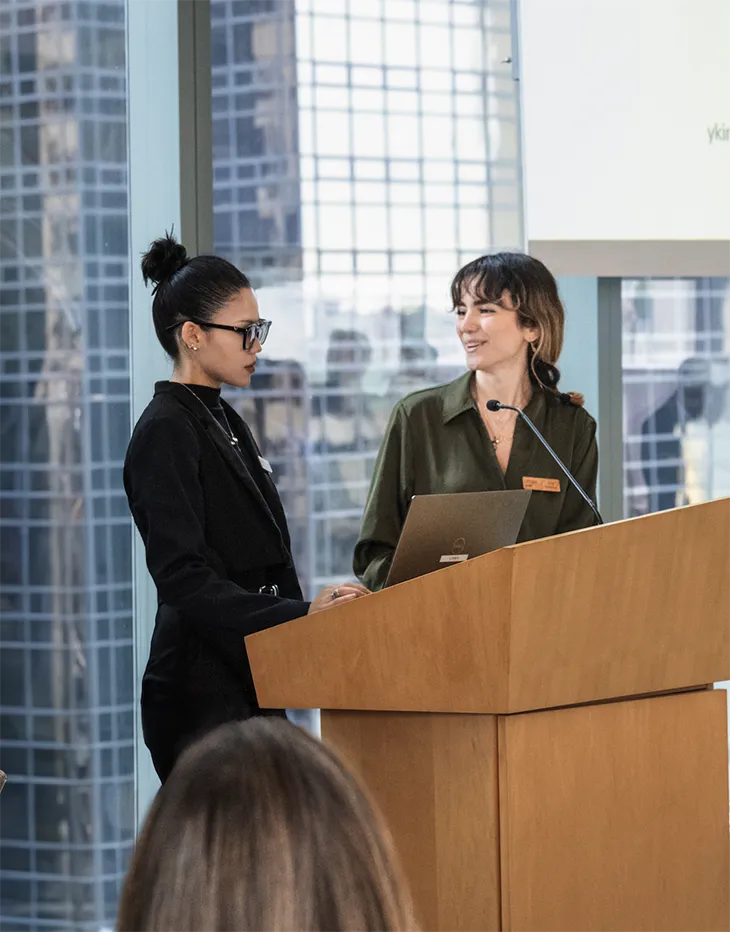
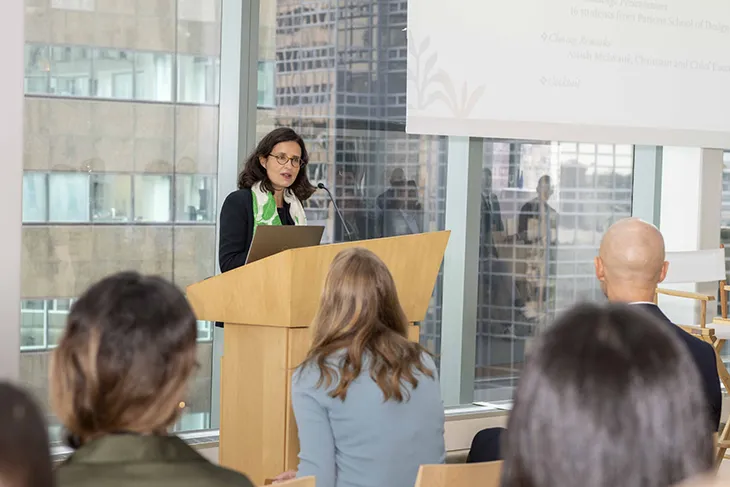
At the LIFE 360 U.S. Summit, held on September 27, 2024, Tu led a four-person team through a structured process of formal checkpoints and presentation stages with senior leaders from multiple LVMH Maisons, including Louis Vuitton, Tiffany & Co., and Moët Hennessy. In that setting, Tu developed and presented a proposal addressing circular reuse within the Wines & Spirits business, placing her work in a leadership-facing sustainability forum tied to one of the most recognized groups in global luxury.
Her proposal examined how industrial glass waste could be recycled into cullet and then processed into glass sand, creating a closed-loop system with potential applications in sustainable luxury packaging and flagship store construction, including tiles and architectural elements. What made the proposal notable was not simply its environmental premise, but the way it treated waste as part of the material, visual, and experiential logic of luxury itself. It also addressed a remaining gap in the Group’s 2030 circularity ambitions by proposing a concrete closed-loop materials strategy for an area not yet fully integrated into circular practice across the Maisons.
In that sense, Tu’s work went beyond proposing a more responsible material use or a way to reduce waste. It began by identifying a specific operational and strategic gap, then reframed that challenge through a creative luxury lens: how could industrial waste be transformed into a material associated with value, atmosphere, and desirability? By looking beyond immediate waste reduction and toward long-term applications in packaging, retail architecture, and brand experience, the proposal showed how environmental responsibility could be embedded into the way luxury brands construct meaning and value.
Tu’s role at LIFE 360 therefore placed her in a strategic context where environmental objectives, material innovation, leadership, and long-term luxury value had to be considered together. It reflected the kind of systems-level thinking required of leaders in fashion and luxury: the ability to look beyond immediate product decisions, identify what is missing within existing systems, and understand how materials, sustainability goals, consumer experience, and brand meaning interact over time.
Recognition Across Sustainability, Brand Strategy, and Creative Direction
Tu’s broader relevance has also been reinforced by recent recognitions across sustainability leadership, creative direction, and brand-building practice.
On March 26, 2026, Tu was named a 2026 Global Sustainability Youth Leader 35 Under 35 by the Global ESG Leadership Association, an international organization recognizing leaders whose work advances sustainability, innovation, and global impact. The distinction followed a four-month, multi-stage selection process, including a global open call, materials screening, expert review, and final committee deliberation.
Within Tu’s broader trajectory, the recognition served as an important external validation of the professional direction already visible in her work: a sustained effort to connect environmental responsibility with product systems, brand meaning, and long-term value creation in luxury.
That same throughline is also visible in Tu’s independent brand-building work. Earlier that month, on March 10, 2026, Tu received Silver in the 2026 MUSE Creative Awards for SENTIR / A Vision of Nostalgia and Cultural Richness, her independent company-branding project recognized in the Integrated Marketing category.
Created and directed by Helin Tu, SENTIR is a brand centered on incense and informed by traditions of Chinese herbology and aromatherapy. It offers a more natural alternative to synthetic fragrance-led products while creating a calming sensory ritual that reconnects consumers with memory, place, and cultural identity. The strength of this award-winning project lies in its ability to connect consumer insight, market white space, natural-material thinking, sustainability, and emotional brand experience.
Recognized by a jury of more than 30 industry professionals, SENTIR demonstrated a distinctive market position and scalable brand logic, translating culturally rooted scent rituals and natural materials into a contemporary lifestyle and fashion accessories brand.
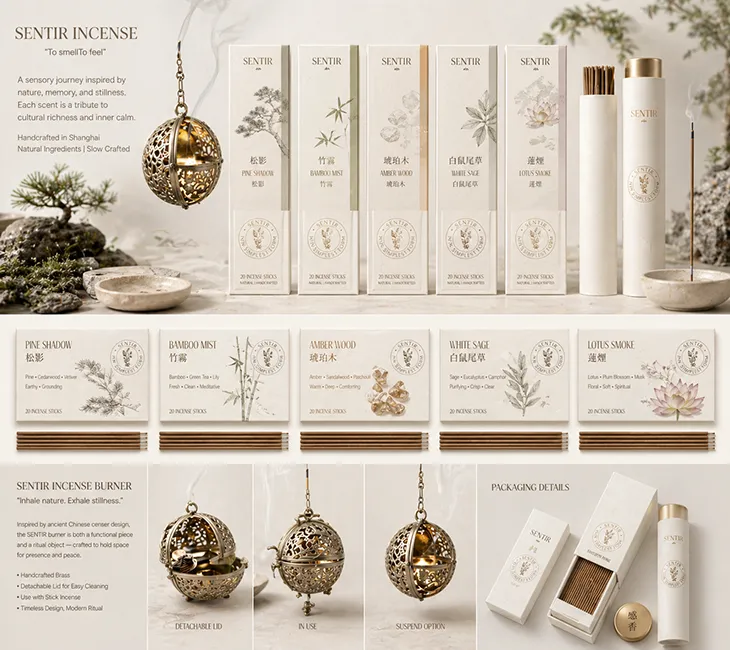
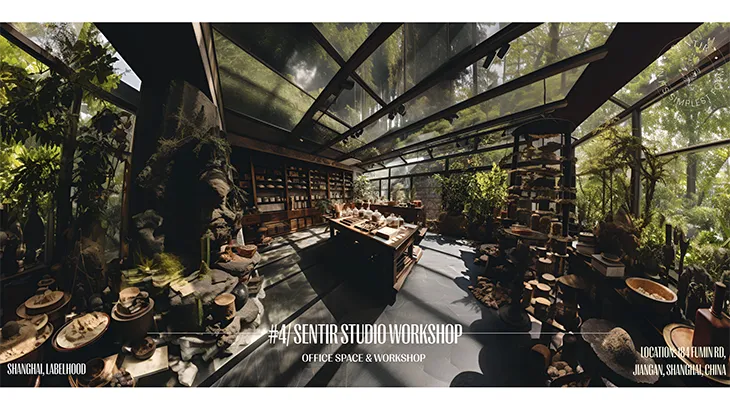
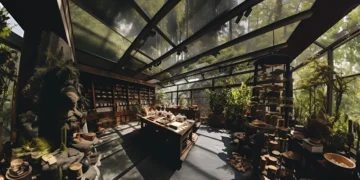
illustrating its incense- and nature-informed brand world, © Helin Tu, 2026.
Designing Value, Not Just Communicating It
Taken together, Tu’s work across LVMH LIFE 360, SENTIR, and luxury product strategy demonstrates a sustained body of work around how value is created within contemporary luxury. Her practice does not treat sustainability as a surface-level message added after design or marketing decisions are made. Instead, it integrates material responsibility, product systems, packaging logic, visual identity, and consumer experience into the structure of brand value itself.
This is the central significance of her practice: Tu addresses one of luxury’s defining challenges – how to preserve desirability, symbolism, and emotional resonance while rethinking the systems through which products are conceived, presented, and understood. Across both corporate innovation settings and independent brand development, she has translated this question into tangible strategic outcomes rather than theoretical positioning.
Her recognition as a 2026 Global Sustainability Youth Leader 35 Under 35 further supports this professional throughline, showing that her work has been recognized beyond a single company, project, or campaign. Viewed as a whole, her record reflects an established contribution at the intersection of sustainability, innovation, product strategy, and luxury brand value: the shift from simply communicating responsibility to designing the systems through which responsibility and desirability are created together.
Words by DSCENE Editor Maya Lane.