


The new Audi A2 e-tron arrives with a clear task: make the compact electric car more efficient without stripping away the qualities expected from an Audi. Developed in Germany and produced in Ingolstadt, the model gives the revived A2 name a fully electric role within the brand’s European range. Its strongest argument comes from energy use. In its most efficient configuration, the A2 e-tron consumes 12.8 kWh per 100 kilometres according to WLTP, the lowest figure recorded by any series-production Audi to date. Maximum range reaches 646 kilometres.
CARS
Audi has built the entire project around that number. Aerodynamics, battery choice, drivetrain efficiency, material use and production methods all support the same objective. The result gives the A2 e-tron a more defined purpose than many compact EVs that compete primarily through battery capacity and screen size.
Exterior
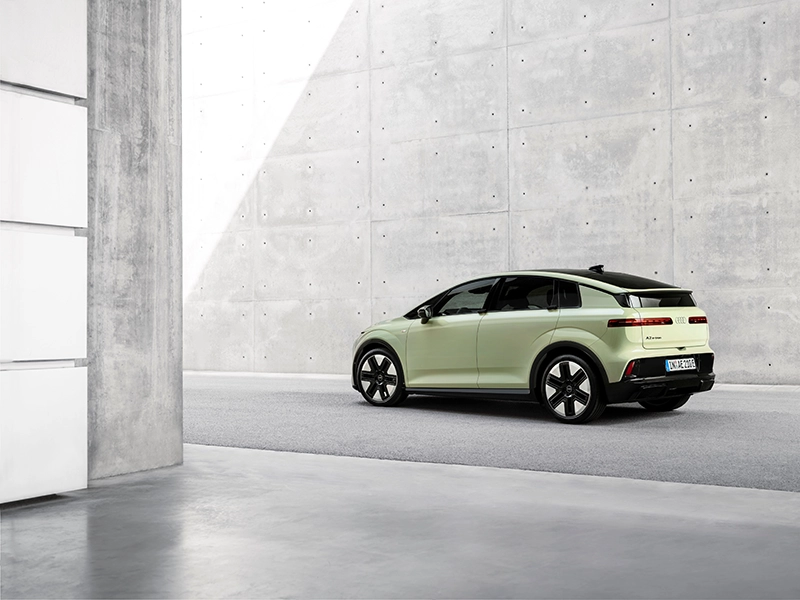
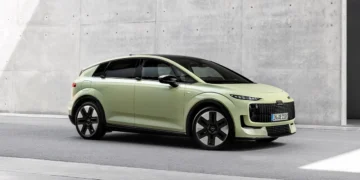
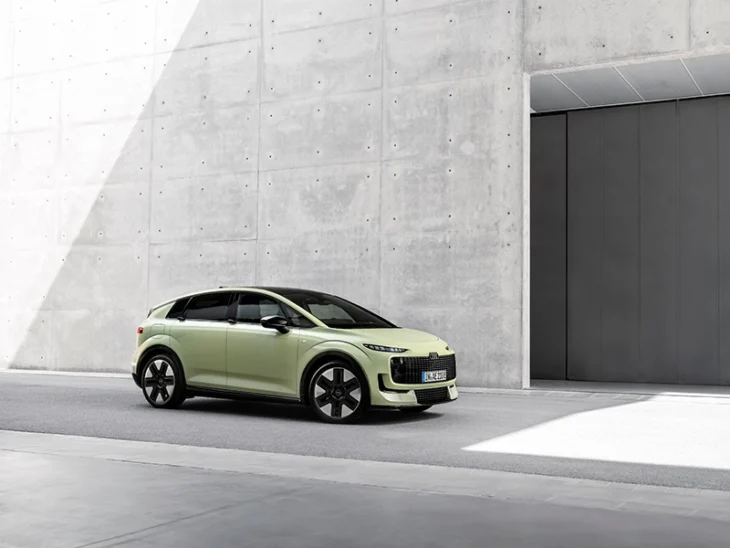
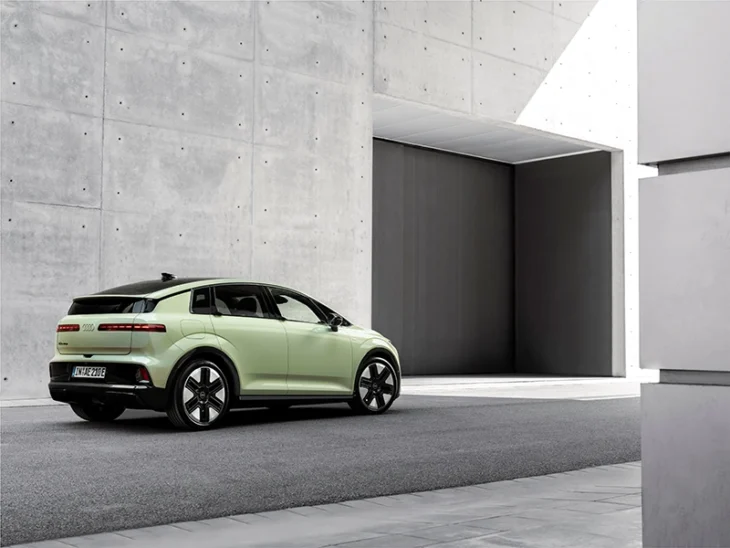
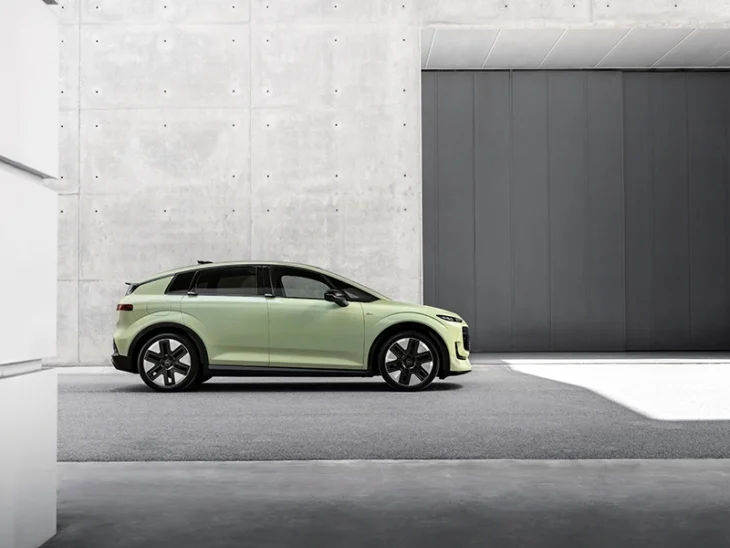
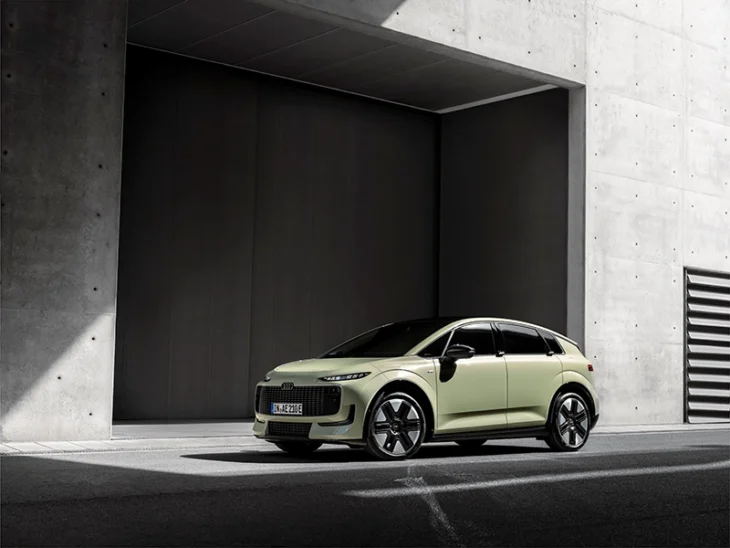
The exterior follows a compact, aerodynamic format with short overhangs and a 2.77-metre wheelbase. A sweeping roof arch rises from the A-pillar before descending toward a precisely defined rear spoiler. At the front, Audi integrates the main headlights and assistance sensors into a black panel, while slim daytime running lights sit above them. Horizontal rear LEDs visually widen the car and give the back a cleaner graphic structure.
The body records a drag coefficient of 0.24, the best result in Audi’s compact range. A largely enclosed underbody helps control airflow beneath the car, while a controllable front cooling intake remains closed during normal highway driving. Audi has also concentrated on the wheel arches, introducing gap reducers and gap breathers that limit turbulence around the wheels. Newly developed aero wheels complete the package.
Fully electric door handles replace conventional mechanical units. A light pull opens the door, while pressing the sensor surface locks it. Audi also integrates a separate energy storage unit into each door so users can still open them if the vehicle’s onboard electrical system fails.
Power
Audi will offer the A2 e-tron with 125 kW, 140 kW, 170 kW and 240 kW outputs. The first three versions produce 350 Nm, while the 240 kW model increases torque to 545 Nm. All use rear-wheel drive and permanent-magnet synchronous motors. Battery options include 52, 61 and 84 kWh, giving the range enough variation for city use, commuting and longer-distance driving.
The 125 kW car accelerates from 0 to 100 km/h in 8.8 seconds and offers up to 423 kilometres of range. The 140 kW version reaches 100 km/h in 7.9 seconds and covers up to 515 kilometres. With the 84 kWh battery, the 170 kW model extends range to 646 kilometres. The 240 kW version reaches 100 km/h in 5.7 seconds, has a 200 km/h top speed and offers up to 630 kilometres of WLTP range.
The efficiency benchmark belongs to the 140 kW variant with the optional efficiency package. Its 12.8 kWh/100 km consumption figure makes it the most efficient Audi produced so far. That figure gives the model real significance within the range because it reflects gains made through the whole vehicle, rather than one isolated technical feature.
Charging
The two smaller batteries use lithium iron phosphate cells, while the 84 kWh pack uses nickel manganese cobalt chemistry. The 52 kWh battery supports DC charging at up to 100 kW and can charge from 10 to 80 percent in 24 minutes. The 61 kWh battery supports up to 105 kW, while the 84 kWh battery reaches 183 kW and takes 29 minutes for the same charging window.
Bidirectional charging gives the A2 e-tron another practical role. Vehicle-to-Load can supply electricity to external equipment directly from the car. Vehicle-to-Home allows compatible versions in Germany, Austria and Switzerland to return stored electricity to a household through an appropriate DC wall box.
Interior
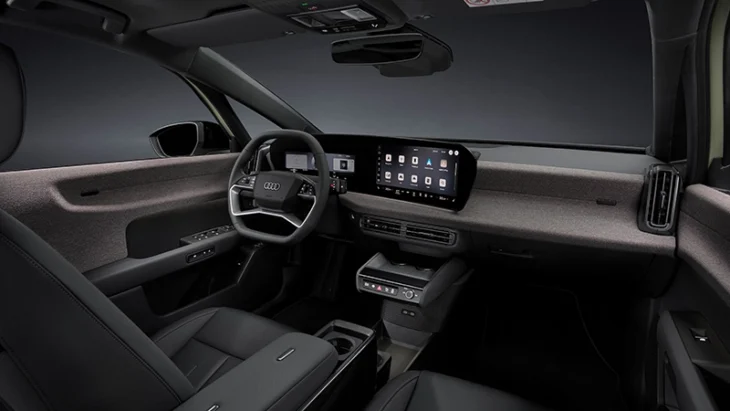
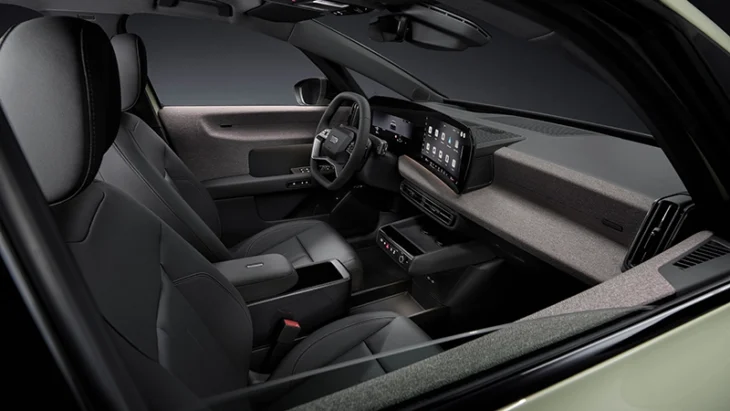
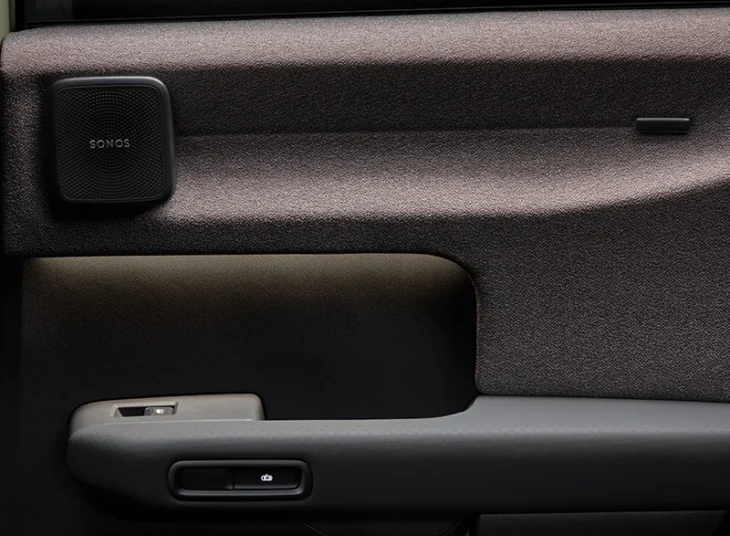
Inside, Audi concentrates on space, storage and tactile details. The main visual feature is the Softwrap, a fabric-covered surface that runs from the dashboard through the door panels and toward the rear. Decorative stitching and furniture-inspired buttons add detail without overcomplicating the cabin.
An optional 1.6-square-metre panoramic glass roof brings more daylight into the interior and uses a coating designed to reduce UV exposure and excessive heat. Audi also makes use of the long wheelbase to create more usable passenger space within the compact body.
One of the more distinctive details is the Fidlock fastening system, fitted as standard. Magnetic-mechanical mounting points can secure cupholders, charging cable bags and straps, while compatible cycling and outdoor accessories can also connect to the same system.
The trunk holds 396 litres, increasing to 1,336 litres with the rear seats folded. Higher-output versions can also include a 13-litre front storage compartment.
Interface
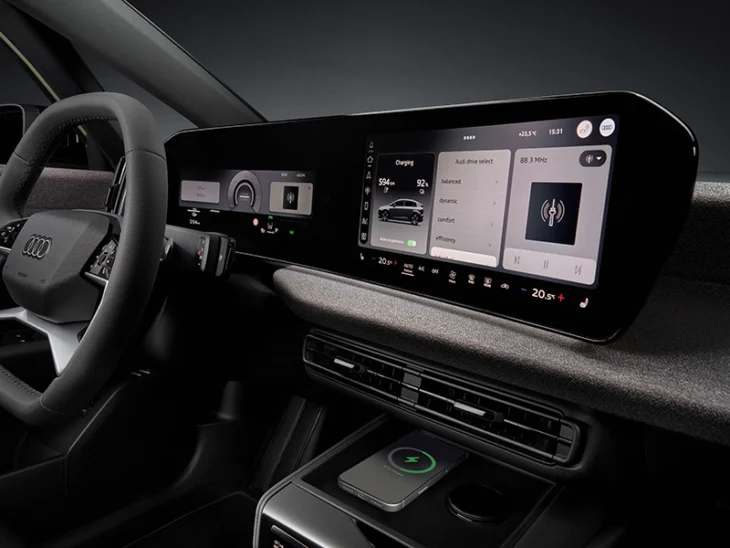
A standard curved MMI display combines an 11.9-inch Audi virtual cockpit plus with a 12.8-inch central touchscreen. An augmented-reality head-up display remains optional. The e-tron route planner calculates charging stops using traffic, route topography and live charging-station information, while the Audi assistant uses AI-supported voice interaction for navigation, music and vehicle information.
Audi still retains direct physical access to important driving functions. Steering-column controls handle gear selection, indicators, lighting and the parking brake, while the steering wheel combines touch-sensitive surfaces with rollers and recessed controls designed to give clearer tactile feedback.
Materials
Depending on configuration, more than 300 components use recycled steel, aluminium or plastics, with more than 100 incorporating post-consumer recycled content. Selected Softwrap fabrics and sports-seat textiles use 100 percent recycled polyester. Audi has also reduced material complexity in components such as the instrument panel to make recycling easier at the end of the vehicle’s life.
The manufacturing strategy follows the same efficiency logic. Audi reuses more than 1,200 existing production assets and around 250 robots at Ingolstadt, where A2 e-tron bodies are produced alongside the A3. The company also brought the car to production 21 months faster than comparable earlier models.
Verdict
The A2 e-tron makes its strongest case through restraint. Audi has concentrated on consumption, aerodynamic performance, usable space and modularity, giving the compact EV a clear identity inside an increasingly crowded segment. The combination of a 646-kilometre maximum range, 12.8 kWh/100 km efficiency and a genuinely flexible interior suggests that the A2 name has returned with a purpose suited to contemporary European driving.
Orders in Germany open on September 10, 2026, with first deliveries scheduled for December. Prices start at €38,200 for the 125 kW version and reach €51,200 for the 240 kW model.