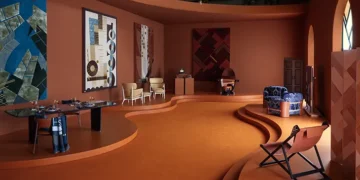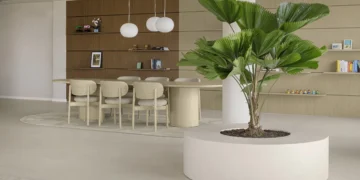



What a lot of today’s homeowners are beginning to realize is that the most memorable interiors don’t always rely on expensive furniture, dramatic architecture, or perfect coordination.
More often, these spaces feel naturally evolved, filled with textures, objects, furnishings, and colors that reveal details about the people who live there.
There’s a true sense of sophistication that comes from homes that feel natural rather than overly planned, and this often includes combining styles in ways that aren’t necessarily perfect matches.
This article explores how the best interiors balance cohesion with individuality, creating spaces that feel collected rather than overly coordinated.
The Growing Appeal Of Collected Interior Designs
For many years, coordination often defined polished interiors. This included complementary furniture collections and carefully matched décor that could make a room look as though everything had been purchased at the same time.
In recent years, that level of perfection has increasingly become associated with interiors that feel impersonal. More interesting homes tend to include décor pieces that tell stories, like vintage lamps from antique markets, paintings purchased while traveling, family heirlooms, and anything with a sense of history that brand-new furniture can’t replicate.
These pieces don’t need to be conventionally valuable to carry meaning. Their importance comes from the history, memory, or personal association they introduce into a home.
Mixing New & Old To Create Décor Character
One of the easiest ways to avoid an overly designed interior is to resist choosing everything from the same period or style.
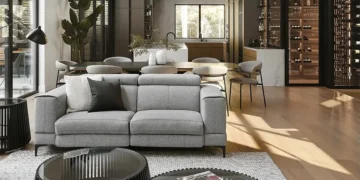
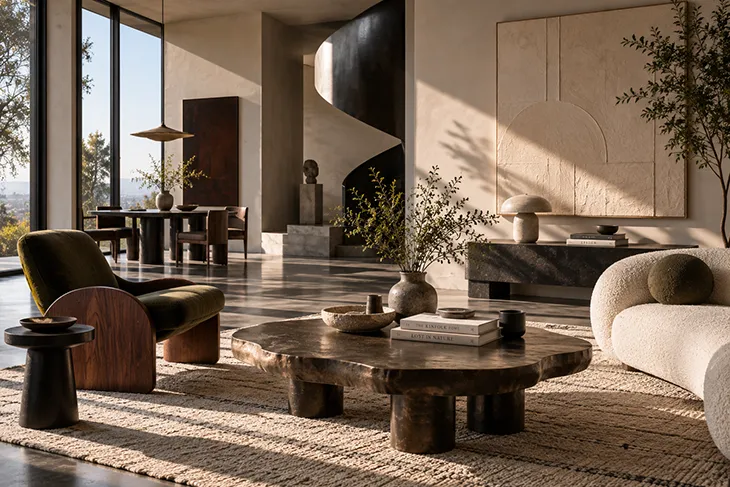
For example, contemporary interiors often benefit from the warmth that comes from older pieces. Streamlined modern sofas can feel more inviting when paired with an antique side table, and minimalist rooms can develop personality through traditional artwork.
Contrast makes these combinations work, but cohesion still matters. Material, proportion, color, and texture can connect pieces that might otherwise seem unrelated. Repeating a wood tone, introducing a shared color, or balancing scale can help different elements sit naturally within the same room.
The goal isn’t to make everything match. It’s to create enough visual connection for different pieces to belong together without losing their individuality.
Anchoring Entire Rooms With Large Area Rugs
Among all of the elements that help household spaces feel more collected, few are as effective as large area rugs.
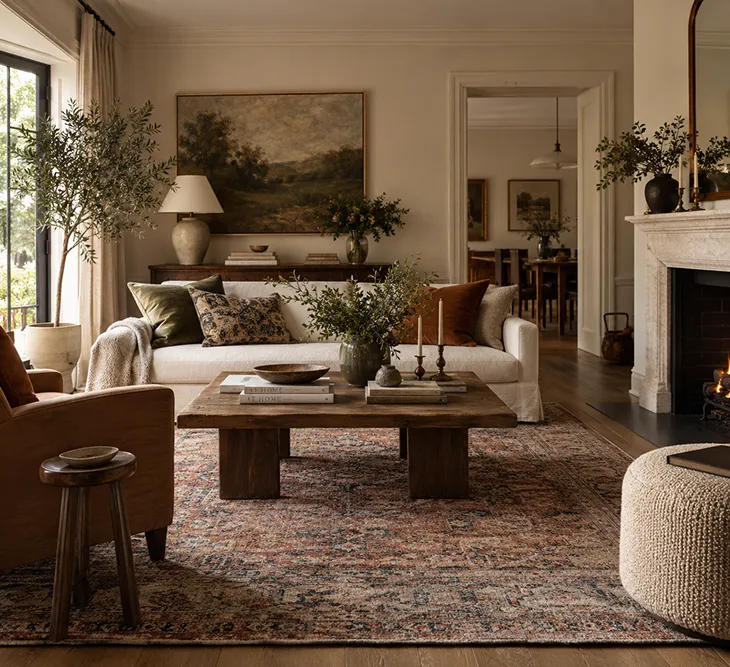
A substantial rug can give your entire seating area the foundation it needs to visually connect chairs, sofas, coffee tables, and other surrounding décor. It’s also important to remember that some of the most compelling rugs aren’t designed to simply disappear beneath furniture.
Large rugs can be especially useful when mixing different design periods because they create a common ground beneath contrasting furniture. A traditional Persian rug, for example, can sit beneath contemporary pieces and give the room a layered quality without making the arrangement feel overly coordinated.
And what’s really great for today’s homeowners is that finding high-quality large rugs online is easier than ever thanks to convenient outlets like Rug Source that offer a vast collection of styles and sizes.
A carefully chosen area rug can establish the atmosphere that guides the rest of the room.
Texture Avoids That Sterile Perfection Feeling
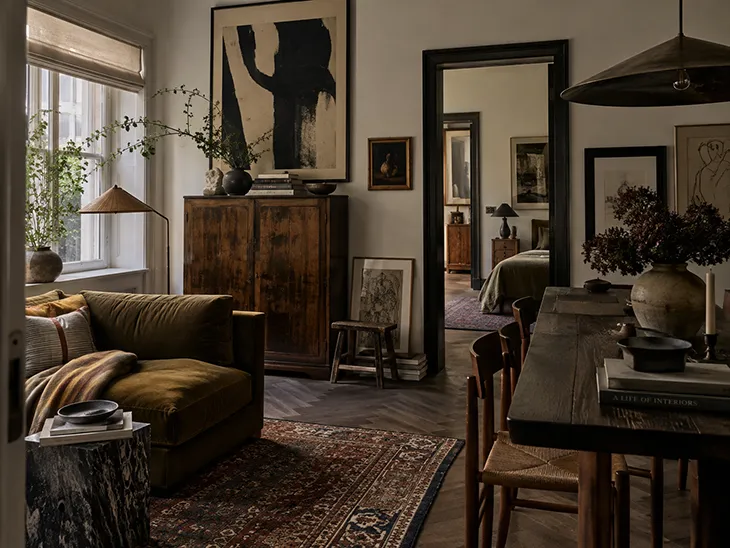
Another way to develop more effortless interiors is by introducing more texture. This includes combining hard surfaces like glass, polished metal, smooth stone, and lacquer with textiles and natural materials for a softer effect.
Woven baskets, linen curtains, handmade ceramics, natural wood, wool upholstery, and textured throw pillows are all strong options when you want to create more inviting spaces.
Texture has also become increasingly important in neutral interiors because it helps give these spaces more visual depth.
The Best Homes Are Easily Allowed To Evolve
Time is often one of the biggest differences between heavily styled and truly personal interiors, so remember that your home doesn’t have to feel finished immediately.
By giving your household spaces room to evolve, you can gradually create more authentic results. This could mean replacing furniture as your tastes change, accumulating new artwork, and introducing new objects from your travels.
This type of gradual décor process creates layers that are difficult to manufacture all at once, and this is why it can help to ask yourself questions like: what would make my room feel more personal?
That shift in mindset can change the way you approach decorating.
Interior Designs Should Make You Genuinely Feel At Home
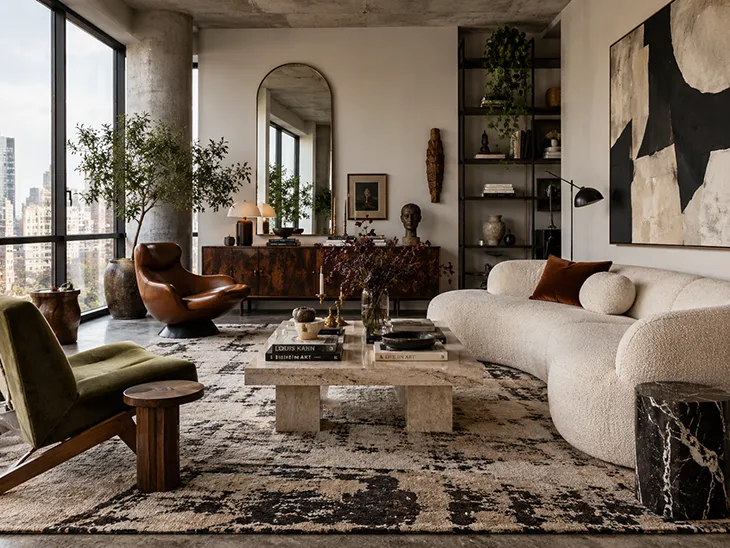
Great interiors don’t need to follow every trend or design rule. They work because the individual elements feel considered while still allowing room for personality.
Beautiful interiors also aren’t necessarily perfect. They can feel thoughtful without becoming predictable, sophisticated without sterility, and personal without being overly curated.
Many of today’s most compelling interiors tell stories through objects, and that is one reason they often don’t look designed at all.