



FWRD stands as a compelling case study in how luxury fashion retail is being reimagined for the digital era. The brand’s recent appointment of Rosie Huntington-Whiteley as Fashion Director is beyond a headline momentum; it’s a statement of intent: FWRD is determined to lead not just in product curation, but in shaping the cultural narrative around luxury. Yet, as FWRD celebrates a 37% year-over-year increase in gross profit dollars and more than 100% growth in its personal shopping program, important questions arise. Can digital-first luxury retail truly replicate the intimacy and exclusivity that have historically defined the sector? And how sustainable is this growth in a market where consumer expectations are constantly evolving?
The numbers tell a story of momentum. FWRD’s third-quarter results for 2025 reflect an organization adept at capitalizing on strategic investments. The explosive growth of its personal shopping program, for example, signals that even in a digital context, there is a robust appetite for high-touch, individualized service. This raises a critical consideration: As luxury shoppers increasingly expect bespoke experiences online, how can FWRD continue to scale its personal shopping offering without diluting the sense of exclusivity that makes it valuable in the first place?
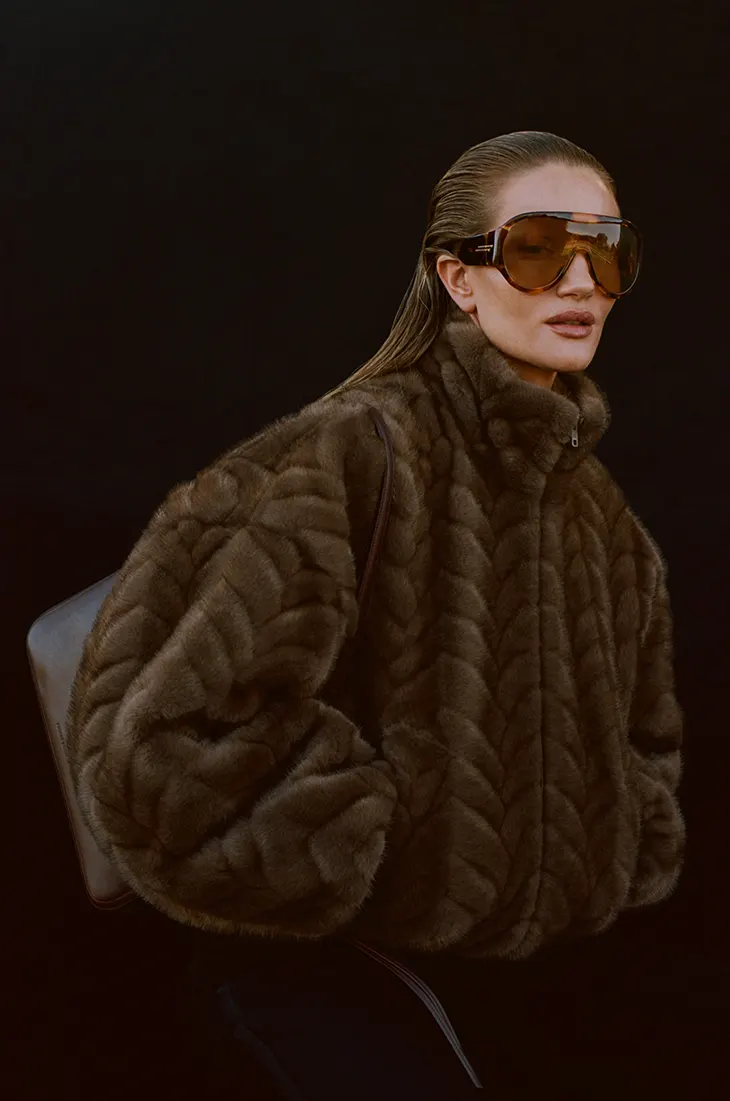
Rosie Huntington-Whiteley’s arrival as Fashion Director is both timely and strategic. Her vision, described as “modern, timeless, and refined,” aligns with FWRD’s ambition to be not just a marketplace, but a tastemaker. However, the challenge for FWRD will be to translate Huntington-Whiteley’s personal brand and curatorial eye into a scalable, digital-first retail experience. Can a celebrity-driven creative direction maintain authenticity and relevance for a diverse, global audience? Or does it risk becoming another layer of branding in an already crowded luxury space?
FWRD’s partnerships with brands like Phoebe Philo, Dries Van Noten, and SKIMS x Roberto Cavalli demonstrate its ability to attract both established and emerging designers. This dual focus on heritage and innovation is a strength, but also a potential vulnerability. In a market saturated with collaborations and capsule collections, how does FWRD ensure that its offerings remain differentiated and not just another iteration of the “see-now, buy-now” model? Moreover, as more luxury brands invest in their own direct-to-consumer channels, what unique value does FWRD provide that can’t be replicated by the Maisons themselves?

The company’s omnichannel strategy, blending editorial storytelling, seamless digital interfaces, and curated designer rosters, positions FWRD at the intersection of content and commerce. Yet, the digital realm presents unique challenges. The absence of physical touchpoints means FWRD must work harder to convey the tactile, emotional resonance of luxury goods. Can editorial imagery and personalized service bridge the gap, or is there an inherent ceiling to what online luxury can achieve without a physical presence? And as FWRD expands its footprint, how will it maintain the agility and sense of discovery that have been key to its appeal?
REVOLVE Group’s broader platform gives FWRD reach and influence, connecting millions of consumers and thousands of influencers. But scale brings its own set of challenges. The risk of overexposure, brand dilution, or losing the sense of curation is real. Michael Mente’s emphasis on “visionary creative leadership” is well-placed, but it begs the question: How can FWRD foster genuine community and loyalty in a digital environment where trends and allegiances shift at unprecedented speed?
Discover more of the campaign starring Rosie and her own personal selection for FWRD:
Ultimately, FWRD’s trajectory highlights both the opportunities and complexities of building a luxury brand in the digital age. The brand’s ability to integrate style, content, and commerce is driving impressive growth, but sustaining this momentum will require constant innovation, a clear point of view, and a willingness to grapple with the paradoxes of digital luxury. Can FWRD continue to deliver a sense of exclusivity and discovery at scale? Will its investments in personal service and creative direction set it apart, or will they become table stakes in an ever-more competitive market?