


Decorating a rental property can increase its appeal and, in most cases, can even allow you to increase the rent significantly. However, there’s a thin line between decorating a property to attract tenants and spending too much on furniture that won’t really move the needle.
Whether you’re furnishing a short-term rental property or a long-term furnished apartment, here are five smart strategies that’ll help you furnish your investment property with optimal style without spending too much on furniture.
01. Defining the Property’s Target Tenant
The first step in furnishing a property is identifying your target tenant. A downtown unit, for example, will have very different design needs compared to a suburban home intended for a family. Likewise, short-term rentals often require a more flexible and stylish setup, while long-term properties focus on durability and practicality. Tailoring your furniture choices, including modern media furniture, to suit your tenant’s lifestyle can significantly enhance both the appeal and functionality of the space.
Some questions to ask yourself before furnishing a property include the following:
- Is this property a short-term or long-term property?
- Is there a chance tenants will have kids?
- Will this property be in a university area, a downtown area, or near a beach?
If you’re furnishing a property that’ll be on Airbnb or a similar site, the style and design will play a major role in attracting more clients, as most clients will search based on images.
It’s worth considering the value of a property management firm if you’re serious about your rental property. So, if you have a duplex in Round Rock, Texas, for example, a property manager in Round Rock can help you make changes that attract the type of tenants you want.
02 Choose Durable, Mid-Range Furniture (Not the Cheapest Option)
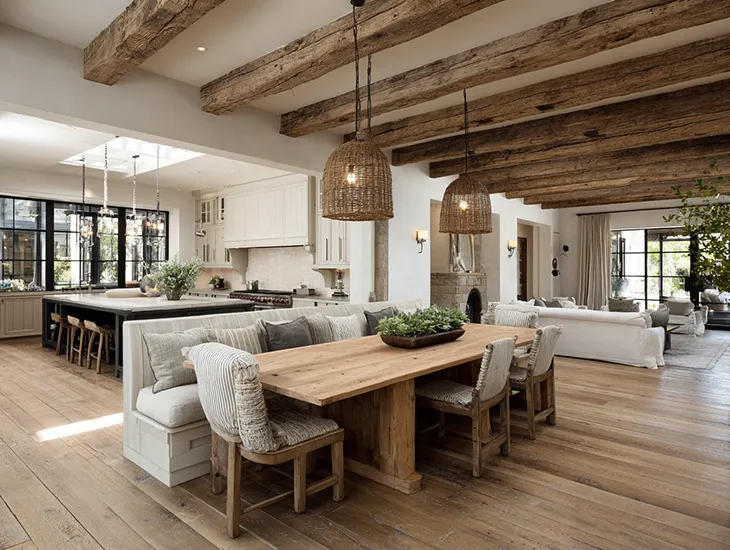
The most tempting option when furnishing a property is to get the cheapest furniture possible. However, this won’t be a smart move, as the furniture won’t stand the test of time and will need to be replaced sooner than if you pay more for quality furniture.
Instead, look for mid-range, relatively durable furniture with the following features:
- Solid wood or metal frames
- Washable or stain-resistant upholstery
- Easy-to-clean surfaces
- Removable and replaceable cushions
Many retailers carry affordable, relatively durable furniture if you look carefully and read reviews, especially those from people who have had the furniture for a while.
In high-traffic areas like the living room and dining room, you’ll want to prioritize durability when buying furniture.
03. Use a Neutral Base and Add Affordable Details
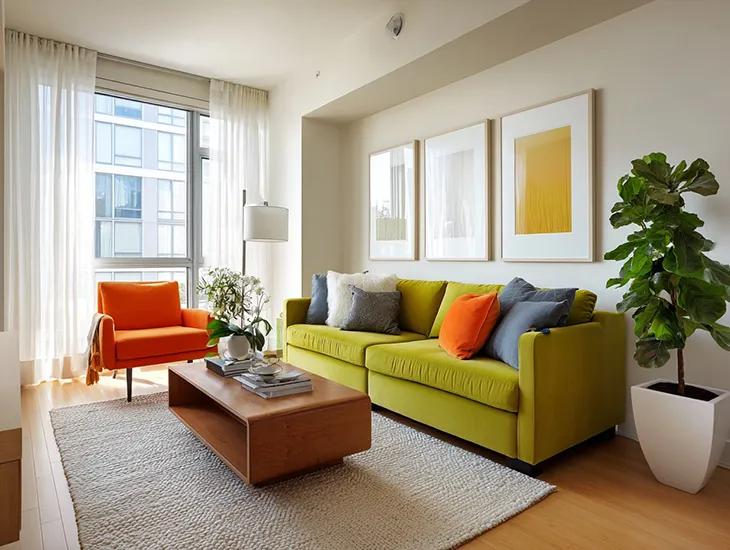
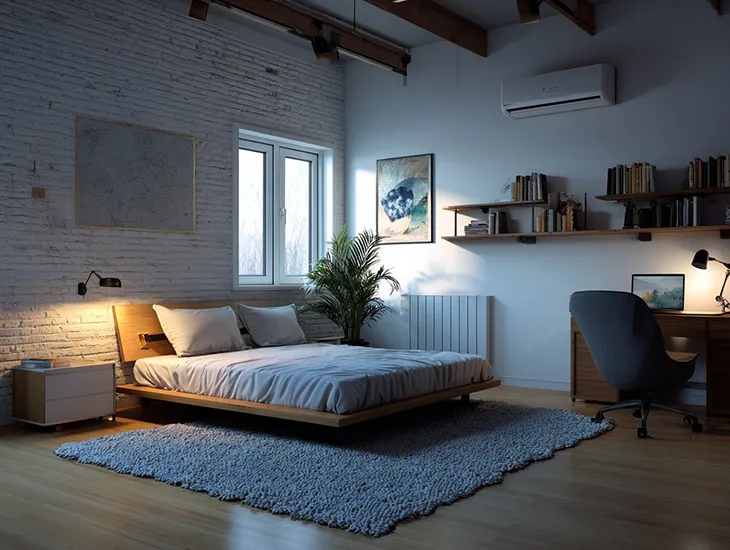
When furnishing a rental, neutrality is your friend. Neutral colors such as gray, beige, soft white, and pale earth tones are best for a rental property because they have the broadest appeal, fit well with different trends and styles, and make rooms look more spacious and bright.
Use a neutral foundation for big-ticket items such as sofas, beds, dining tables, and rugs, and then add some personality to your space with inexpensive, replaceable details, such as throw pillows, wall decor, lamps, and decorative vases.
For short-term properties, these details can make a big difference in the perceived quality of listing photos without breaking the bank.
04. Emphasize Functionality and Space Optimization
Functionality is key in rental properties, especially in smaller ones. Look for multi-functional furniture such as storage ottomans, sofa beds, expanding tables, and bed frames with built-in drawers.
Maximizing the use of the space will give tenants a sense of satisfaction and will make them feel that the property was thoughtfully designed.
Avoid placing too much furniture in a room because this will make it look cramped and less appealing to tenants. Make sure there’s sufficient space between furniture to give the room an airy feel.
05. Mix Smart Sourcing Strategies to Cut Costs
Why buy everything brand new and at full price? Smart furniture sourcing can significantly cut down on costs while maintaining quality.
Some options to consider include gently used furniture, overstock or open-box furniture, warehouse sales, bulk discounts, and end-of-season sales.
Facebook Marketplace can also be a good source of affordable furniture, especially solid-wood pieces that last long. However, avoid upholstered furniture unless you can verify that it’s clean and in good condition.
Another option is to furnish your investment in stages. You can furnish the place with the essential furniture and continue improving it as your rental income comes in.
Furnishing your rental property is not the same as furnishing your house. It’s not supposed to be like a luxury showplace. Furnishing your rental property should be done in a way that makes it more desirable while still maintaining your profitability.
Furnished rentals can be very profitable, especially when done correctly. By identifying your target tenants, using durable mid-range furniture, focusing on neutral colors, and prioritizing functionality, you can create a beautiful, welcoming space without spending too much money.