


Y2K streetwear is no longer just a nostalgic reference. What started as a revival of early-2000s fashion has evolved into one of the defining aesthetics of modern street style. Oversized denim, cropped silhouettes, vintage sportswear, bold accessories, and layered looks now dominate social media feeds, fashion campaigns, and everyday outfits.
What makes Y2K streetwear so appealing is its ability to feel both effortless and expressive. The style is rooted in contrast: oversized yet fitted, casual yet attention-grabbing, nostalgic yet modern. But styling it well requires balance. The difference between a strong Y2K-inspired outfit and something that feels dated often comes down to proportions, layering, and attitude.
Start With the Right Silhouette
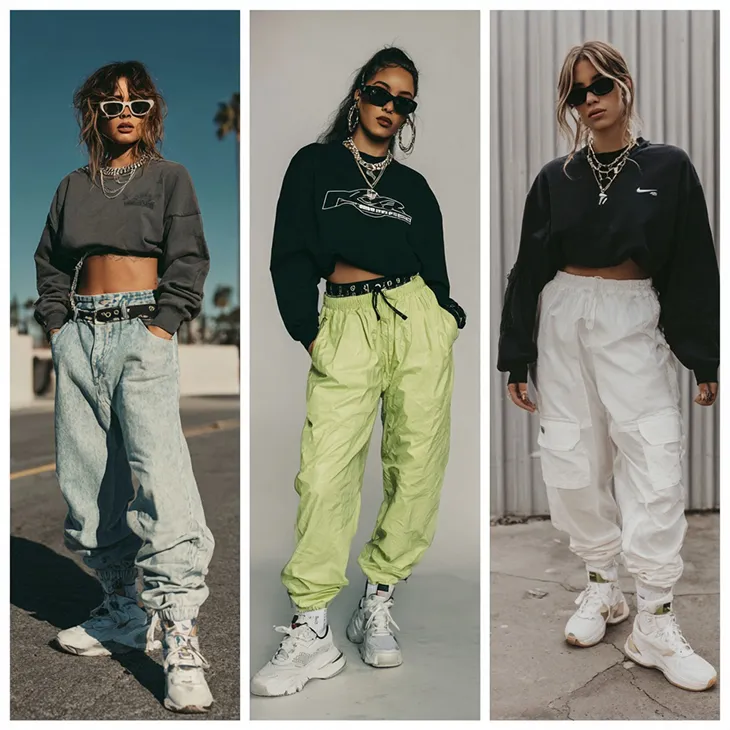
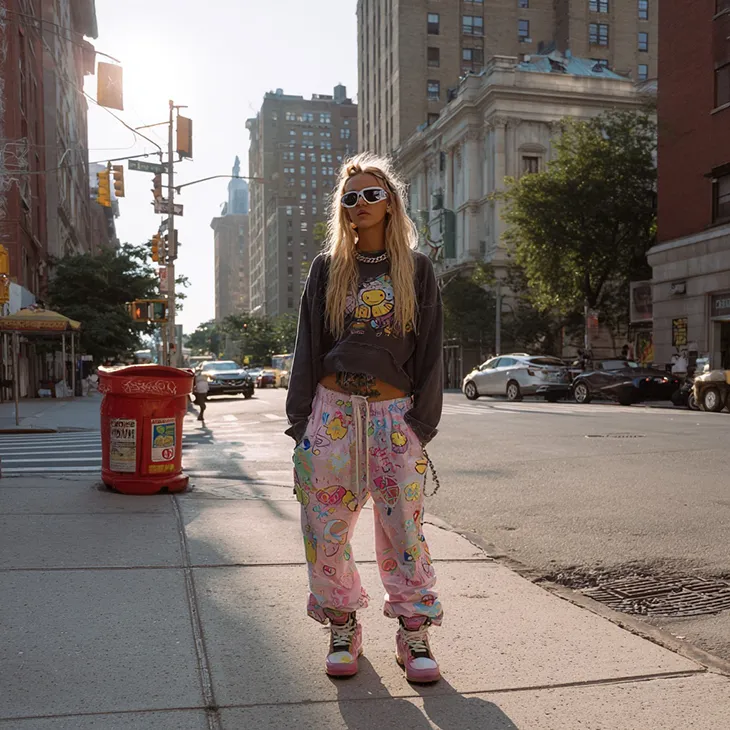
The foundation of Y2K streetwear lies in silhouette. Early-2000s fashion moved away from slim, tailored fits and embraced volume instead. Baggy jeans, oversized hoodies, loose cargo pants, and wide-leg silhouettes became central to the aesthetic.
Today, the key is knowing how to balance proportions in a more modern way. Instead of going fully oversized from head to toe, most y2k clothes work best when paired with more fitted or structured pieces. Loose jeans feel more elevated with a cropped jacket or fitted top, while an oversized hoodie stands out more when the rest of the outfit stays clean and minimal.
The silhouette should feel relaxed without looking careless. That balance is what gives contemporary Y2K streetwear its edge.
Denim Remains the Core of the Aesthetic
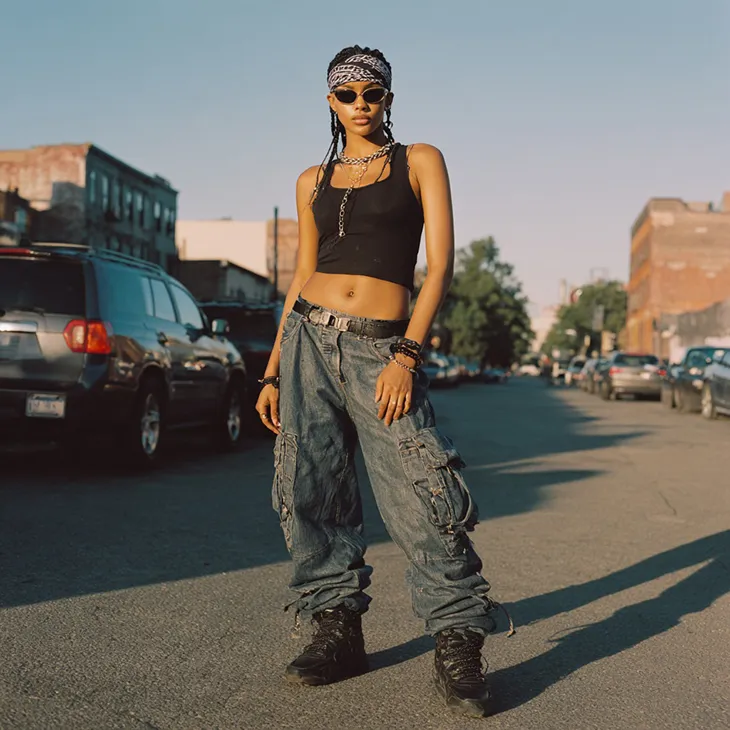
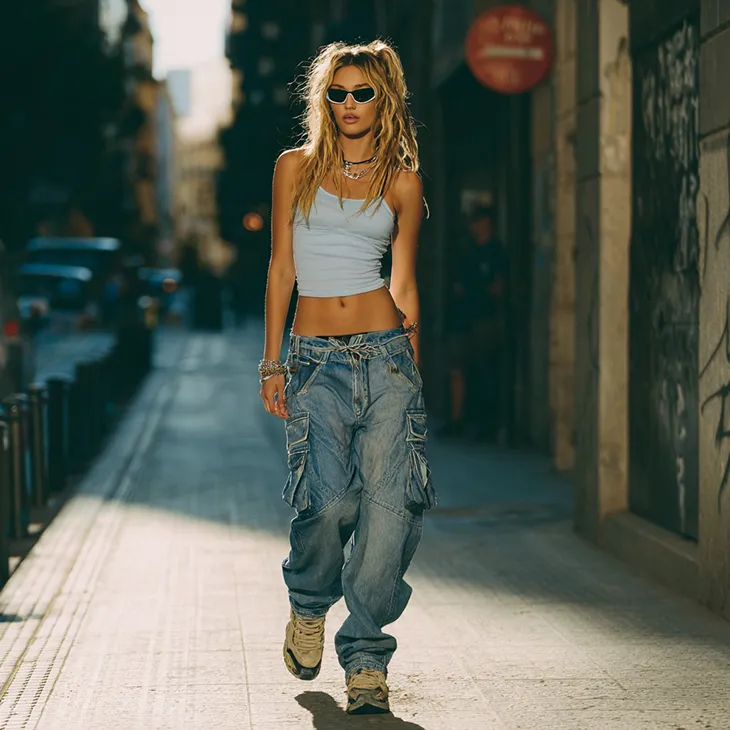
Few pieces define Y2K streetwear more than denim. Low-rise jeans, faded washes, oversized fits, and distressed textures all contribute to the early-2000s feel. Even now, denim remains the easiest way to introduce Y2K influences into an outfit.
Baggy jeans paired with a simple tank top instantly create the right visual language. Cargo denim and oversized shorts also work particularly well when styled with sporty or vintage-inspired pieces.
The appeal of Y2K denim comes from its attitude. Unlike minimalist fashion, which often prioritizes clean lines and simplicity, denim feels more rebellious and expressive. It creates movement, adds texture, and gives outfits a sense of personality.
Oversized Hoodies and Layering Are Essential
Layering plays a major role in Y2K streetwear. Zip-up hoodies, varsity jackets, puffer coats, and oversized outerwear all contribute to the aesthetic. The goal is not to create a perfectly polished look, but something that feels effortless and slightly undone.
Oversized hoodies are especially important because they capture the casual energy of the era. Worn over fitted tops or underneath larger jackets, they add dimension without making the outfit overly complicated.
The best Y2K-inspired layering feels natural. Pieces should look lived-in rather than carefully assembled. That relaxed approach is part of what makes the style feel authentic.
Sneakers Define the Entire Outfit
In Y2K streetwear, sneakers often become the focal point of the look. Chunky silhouettes, skate-inspired designs, and retro basketball shoes all reflect the influence of early-2000s street culture.
The popularity of oversized sneakers comes from their ability to balance wider silhouettes. Slim shoes tend to disappear underneath baggy pants, while bulkier sneakers create structure and visual weight.
Styling also matters. Slightly stacked denim over sneakers creates a more authentic Y2K feel than heavily cropped pants. Small details like proportions and fit make a significant difference.
Accessories Bring the Look Together
Accessories are what transform basic streetwear into a complete Y2K outfit. Shoulder bags, tinted sunglasses, chains, beanies, and statement belts all contribute to the aesthetic without overwhelming it.
The early 2000s embraced visible styling choices. Outfits were rarely minimal. Even simple looks often included layered jewelry or bold accessories. Today’s interpretation is slightly more restrained, but accessories still play an essential role.
The key is choosing pieces that feel considered rather than exaggerated. One or two strong accessories are usually enough to establish the mood of the outfit.
Vintage Influence Matters
One reason Y2K streetwear continues to resonate is its connection to vintage culture. The aesthetic feels authentic when it includes pieces that look slightly worn, faded, or sourced from another era.
This is why thrift stores and vintage shops remain central to the trend. Perfectly new outfits can sometimes feel too polished for Y2K streetwear, while vintage textures add character and depth.
At the same time, modern styling prevents the look from becoming a costume. Mixing vintage-inspired pieces with contemporary basics creates a more balanced and wearable result.
Confidence Is Part of the Styling
More than anything else, Y2K streetwear is about attitude. The early 2000s were defined by bold fashion choices and a willingness to experiment. That confidence remains central to the aesthetic today.
The style works best when it feels personal. Some people lean into skate influences, others prefer sporty looks or hip-hop-inspired silhouettes. There is no single formula, which is part of the appeal.
Y2K streetwear allows for individuality in a way that many minimalist trends do not. The outfits feel expressive, playful, and slightly rebellious without trying too hard.
Finally, styling Y2K streetwear clothes successfully is less about copying old trends and more about reinterpreting them. Oversized silhouettes, layered pieces, vintage denim, and statement sneakers all contribute to the aesthetic, but balance remains essential.
The modern version of Y2K streetwear feels cleaner and more intentional than the original era while still preserving its energy and personality. That combination of nostalgia and contemporary styling is exactly why the trend continues to dominate fashion today.