


Luxury taste and practical money habits are not opposites. In fact, the most refined lifestyles are often built on intention, not impulse. Having an eye for beautiful fashion, interiors, travel, and design does not mean buying everything that looks desirable or choosing the most expensive option every time. It means understanding what is worth investing in, what can be skipped, and how to build a lifestyle that feels elevated without becoming financially chaotic.
Today’s more thoughtful approach to luxury is less about excess and more about clarity. It is about choosing pieces, experiences, and services that add real value to everyday life.
Define What Luxury Actually Means to You
The first step is deciding what luxury means on a personal level. For one person, it may be a beautifully tailored coat that lasts for years. For another, it may be a calm apartment with quality lighting, a well-made sofa, and fewer objects on display. Someone else may value skincare, travel, art, wellness, or simply more ease in their daily routine.
A clear sense of taste makes it easier to say yes to what matters and no to what only feels exciting in the moment.
Without a personal definition, it is easy to get pulled into trend-driven spending. Social media, seasonal drops, and limited collections can make everything feel urgent. But when people understand their own priorities, they can spend with more confidence. A clear sense of taste makes it easier to say yes to what matters and no to what only feels exciting in the moment.
Invest in Timeless Pieces, Not Constant Novelty
Practical money habits often begin with buying fewer, better things. In fashion, that might mean choosing a well-constructed blazer, durable shoes, or a bag that works across seasons. In interiors, it could mean investing in a dining table, chair, lamp, or textile that will still feel relevant years from now.
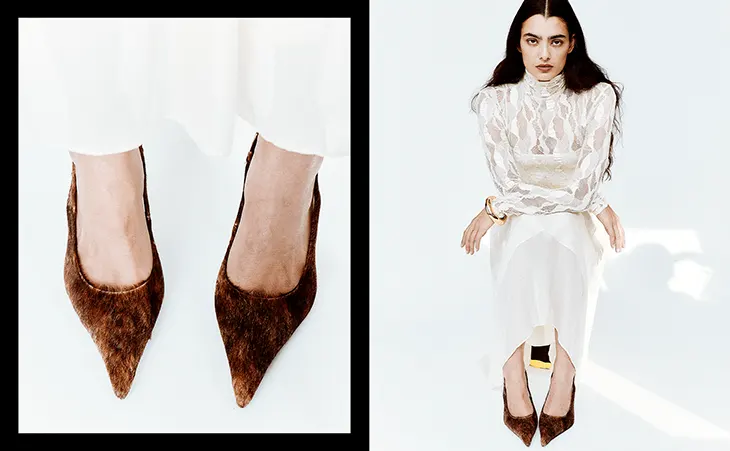
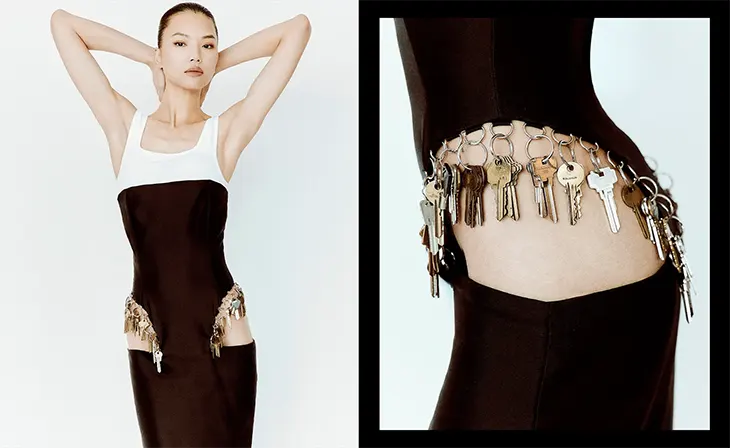
Timeless does not have to mean plain or predictable. It simply means the item has lasting value in your life. A beautifully made piece that is worn, used, and appreciated regularly can be more worthwhile than several cheaper purchases that quickly lose their appeal. This way of thinking connects taste with longevity. It also helps reduce clutter, waste, and the feeling of constantly needing something new.
Plan Larger Purchases Instead of Reacting to Trends
Luxury spending becomes easier to manage when it is planned. Rather than buying immediately after seeing a trend online, it can help to create a wishlist and return to it after a few weeks. If the item still feels relevant, fits your lifestyle, and works with what you already own, it may be worth considering.
This approach is not about removing pleasure from shopping. It is about making space between desire and decision. Planning also allows time to compare quality, materials, craftsmanship, care requirements, and long-term usefulness. A considered purchase often feels better than an impulsive one because it comes with fewer regrets.
For larger purchases, such as designer accessories, furniture, watches, art, or travel, planning can also prevent financial strain. When a purchase is anticipated, it becomes part of a broader lifestyle budget rather than a sudden disruption.
Make Room for Experiences, Not Just Objects
A balanced luxury lifestyle is not built only through physical things. Experiences can offer lasting inspiration, connection, and memory. Travel, restaurants, exhibitions, concerts, design fairs, wellness retreats, and cultural events can all be part of a refined life.
A balanced luxury lifestyle is not built only through physical things. Experiences can offer lasting inspiration, connection, and memory.
The key is choosing experiences that genuinely matter. Not every trip has to be extravagant, and not every dinner has to be at the most talked-about restaurant. Sometimes the most meaningful experiences are those that align with personal interests: a weekend in a design-focused hotel, a gallery visit, a quiet dinner with friends, or a class that develops a creative skill.
Practical money habits make these experiences easier to enjoy. When spending is intentional, there is less guilt and more presence.
Review the Services That Support Your Lifestyle
Modern luxury is increasingly shaped by services, not only products. A well-edited lifestyle may include travel memberships, delivery subscriptions, styling tools, wellness platforms, loyalty benefits, or digital tools that simplify daily routines. These services can be useful when they save time, reduce friction, or support habits that matter.
However, they should be reviewed regularly. A subscription or membership that once felt convenient may no longer serve the same purpose. Part of building a more intentional lifestyle is reviewing which services genuinely add value, from travel memberships and loyalty programs to premium banking services that may support everyday financial organization.
The goal is not to collect more memberships. It is to keep the ones that make life easier, more organized, or more aligned with personal priorities.
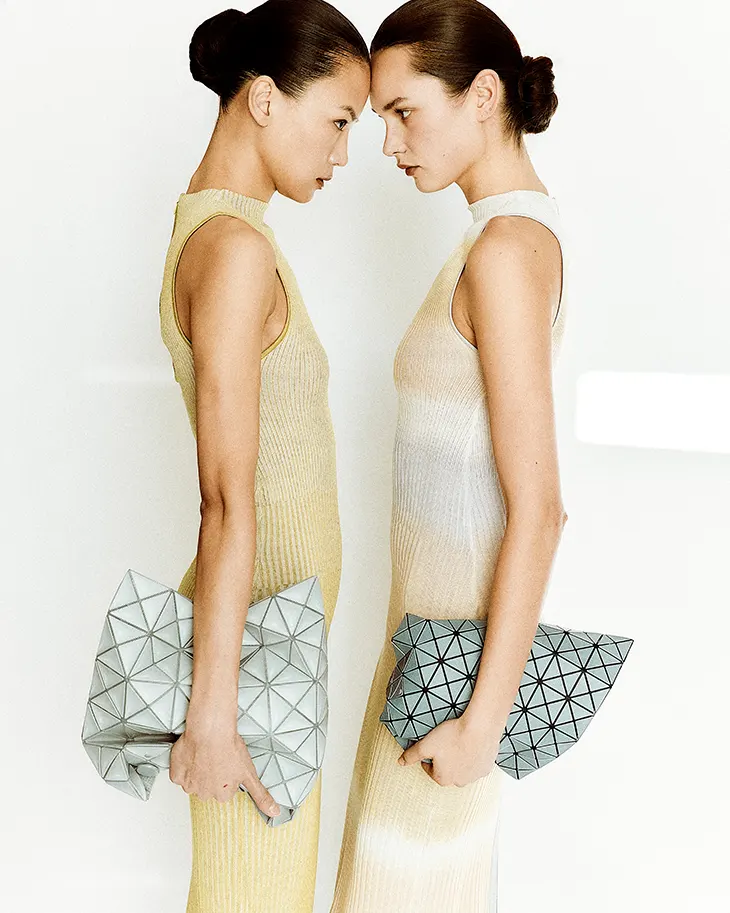
Avoid Letting Status Drive the Budget
One of the easiest ways to overspend is to buy for perception rather than personal value. Influencer culture, designer logos, limited releases, and social pressure can make certain purchases feel necessary, even when they do not fit your lifestyle.
True taste is not the same as public approval. A person with strong style does not need every visible status symbol. They know what suits them, what they use, and what feels authentic. Choosing quality over performance can make spending feel more grounded.
This does not mean avoiding recognizable brands or special pieces. It simply means asking whether the purchase is for genuine enjoyment or outside validation. That question alone can prevent many unnecessary expenses.
Build a Personal System for Stylish Spending
A practical system can make luxury feel more sustainable. This might include setting a monthly lifestyle budget, creating a wishlist, waiting before major purchases, tracking subscriptions, and reviewing what actually gets used.
A system does not make life less stylish. It creates more freedom to enjoy beautiful things without constant financial second-guessing.
It can also help to separate categories, such as fashion, interiors, travel, wellness, and dining. This gives a clearer picture of where money is going and whether spending reflects real priorities. If certain purchases are rarely used, they may not deserve as much space in the budget.
A system does not make life less stylish. It creates more freedom to enjoy beautiful things without constant financial second-guessing.
The Most Modern Luxury Is Intentional
Luxury and financial discipline can work together. The most sophisticated approach is not buying endlessly, but choosing well. It is investing in pieces, experiences, and services that support the life you actually want to live.
True luxury is not just having more. It is knowing what is worth making space for, what deserves your attention, and what can be left behind.