



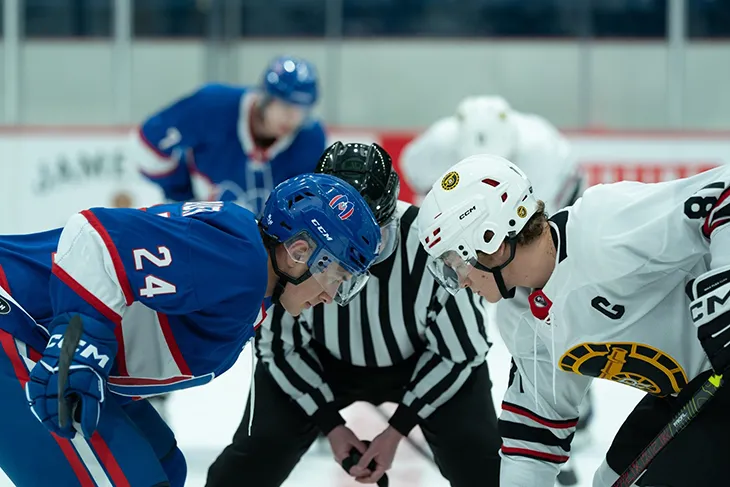
Rachel Reid published Heated Rivalry in 2019 as the second book in her Game Changers series, and readers turned Shane Hollander and Ilya Rozanov into cult figures long before television arrived. The novel built its following through romance readers, hockey fans, and online communities that understood its central tension immediately. Two elite male athletes compete inside a sport that prizes toughness, silence, and control, while their private relationship forces them to confront everything that professional hockey asks them to hide. By 2026, the book carried hundreds of thousands of Goodreads ratings, while the television adaptation pushed the story into a much larger cultural conversation.
TV SHOWS
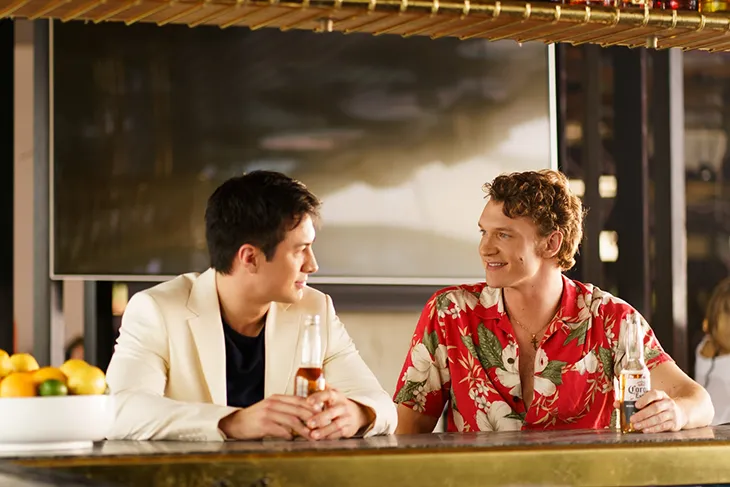
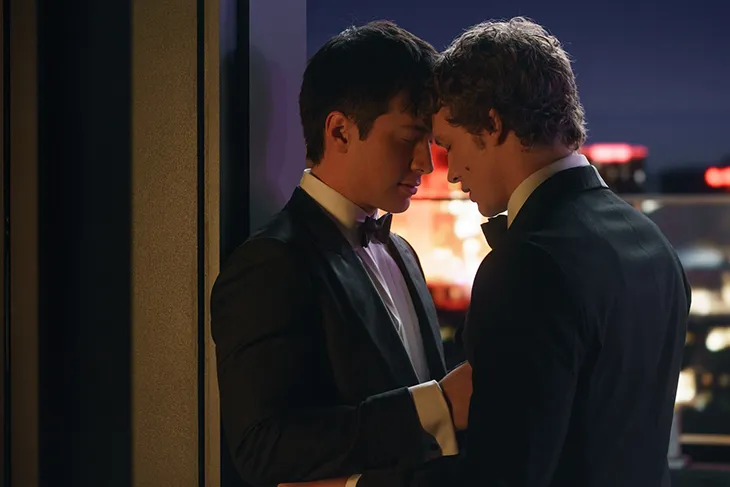
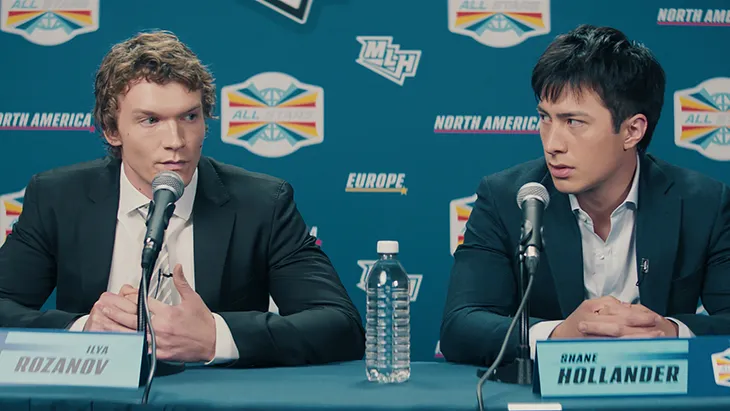
Crave and HBO Max turned Reid’s cult hockey romance into a breakout series, with Hudson Williams and Connor Storrie bringing Shane and Ilya to a much wider public. Heated Rivalry asks viewers to imagine two male hockey stars staying inside the sport while living openly. Real athletes have spent decades learning how difficult that can be. In professional sport, coming out rarely remains a private act. It can affect contracts, sponsorships, coaching opportunities, media treatment, fan response, and the way a locker room sees an athlete who has already proved their talent.
The Cost of Visibility
Martina Navratilova remains one of the clearest examples of how excellence failed to protect queer athletes from commercial punishment. She came out publicly in 1981, the same year she became a U.S. citizen. By then, she had already established herself as one of the most dominant players in tennis. Her record eventually included an unparalleled 59 total Grand Slam titles across singles and doubles. Yet corporate America treated her identity as a liability. Navratilova later said sponsors avoided her for years and estimated that she lost millions in endorsement income because she lived openly.
Billie Jean King faced a different version of the same commercial system. In 1981, a palimony lawsuit from Marilyn Barnett forced King to acknowledge a same-sex relationship publicly. King had already changed women’s tennis through her fight for equal prize money, the creation of professional structures for women players, and her wider role in sports culture. Sponsors still reacted quickly. Reports from the period and later accounts describe major endorsement losses after the case became public. King kept her place in sports history, but the market made her pay for visibility.
The consequences in men’s team sports often came through exclusion. Dave Kopay became the first former NFL player to come out publicly in December 1975, three years after leaving the league. His decision made him one of the earliest prominent male team-sport athletes to speak openly about being gay. Kopay later said he believed football opportunities closed to him after he came out, including coaching and front-office paths that might have followed his playing career.
Glenn Burke’s story shows how damaging that silence could become inside a sport that already knew. Burke played Major League Baseball for the Los Angeles Dodgers and Oakland Athletics between 1976 and 1979. Teammates and executives knew he was gay before he came out publicly after leaving MLB. Accounts of his career describe pressure around his sexuality and a trade from the Dodgers to Oakland in 1978 after he refused attempts to make him appear more acceptable to the organization. His major league career ended after four seasons. Baseball later recognized him as an important figure, but that recognition arrived after the sport had failed to protect him.
Justin Fashanu‘s career exposed another layer of violence around media, race, and football culture. In 1981, he became Britain’s first one million pound Black footballer when Nottingham Forest signed him from Norwich City. In October 1990, he came out publicly in The Sun, becoming the first prominent professional footballer in England to do so. The coverage turned his private life into tabloid spectacle. Fashanu faced abuse from crowds, hostility inside football, and rejection from parts of his own family. His career never regained the stability that his early promise suggested. He died by suicide in 1998, eight years after coming out publicly. His name remains central to any honest conversation about homophobia, media cruelty, and football’s failure to protect queer players.
This history explains why the closet in Heated Rivalry feels real. The fear at the center of Shane and Ilya’s story doesn’t feel abstract, because it draws from decades of real consequences in professional sport. Sport has often rewarded performance while demanding silence from LGBTQ+ athletes, especially men in major team leagues. An athlete can win, score, lead, and sell tickets, yet still face rejection, abuse, and isolation after coming out publicly.
Uneven Progress
The 2010s brought visible change, but the shift arrived unevenly. In April 2013, NBA center Jason Collins came out in Sports Illustrated and became the first active male athlete in one of the four major North American men’s professional leagues to do so publicly. The reaction looked different from earlier decades. Collins received support from teammates, league figures, and public officials. When he signed with the Brooklyn Nets in 2014, he became the first openly gay athlete to play in one of those leagues. His number 98 jersey, chosen in memory of Matthew Shepard, became a bestseller.
Michael Sam followed in 2014 after a decorated college football career at Missouri, where he earned SEC Defensive Player of the Year honors. He came out before the NFL Draft, and the St. Louis Rams selected him in the seventh round. That made him the first openly gay player drafted by an NFL team. His career then showed the limits of symbolic progress. The Rams released him before the regular season, Dallas added him to its practice squad, and he never played in an NFL regular-season game. Sam’s case still sits inside a larger debate about talent, media pressure, race, sexuality, and football’s comfort with difference.
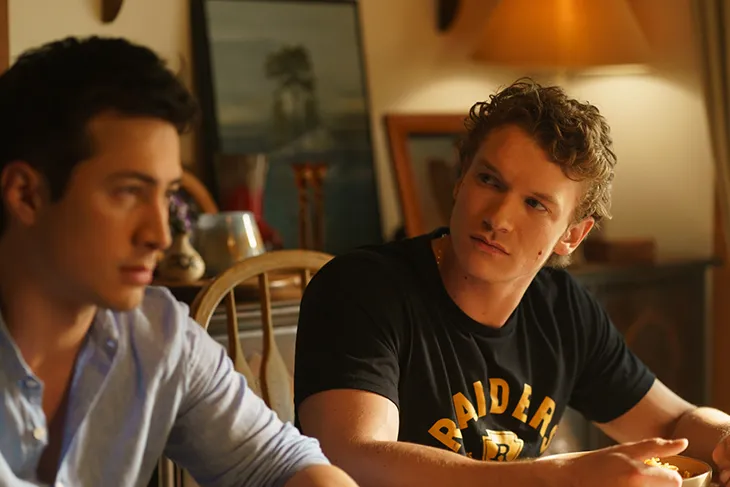
Carl Nassib marked another step in 2021 when he came out while playing for the Las Vegas Raiders, becoming the first active NFL player to do so publicly. Nassib donated $100,000 to The Trevor Project, and the NFL matched the donation. He played regular-season games after coming out, something earlier generations never saw. The moment mattered, yet its historic status also showed how slowly American football had moved. Kopay spoke in 1975. The NFL did not have an active openly gay player until 2021.
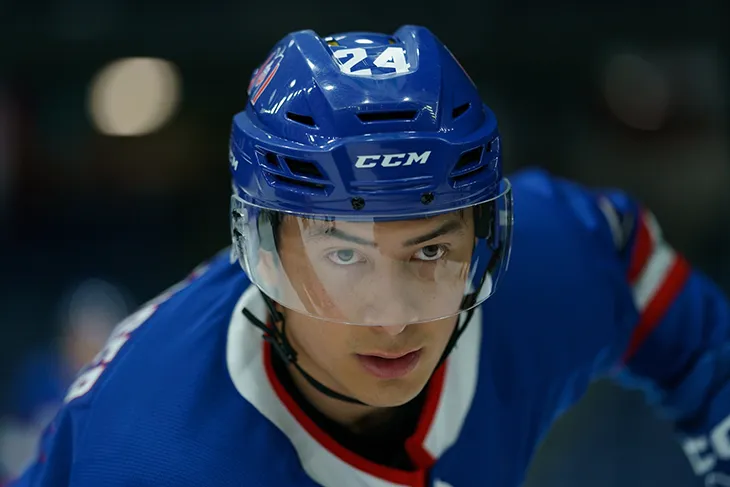
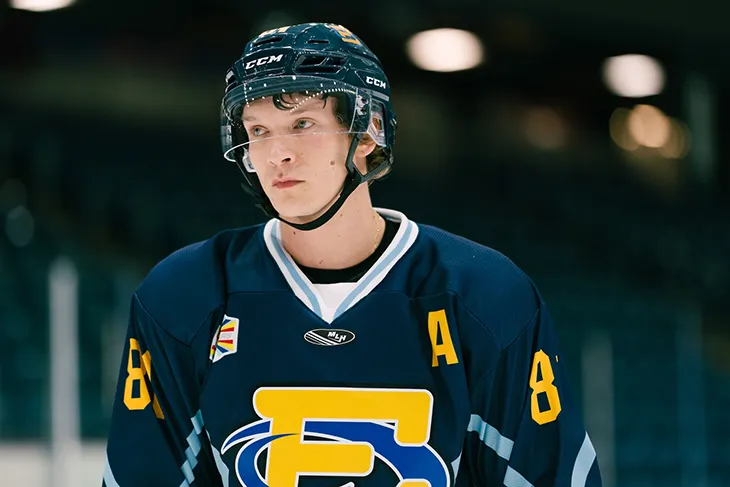
Hockey has moved with similar caution. Luke Prokop came out in July 2021 as a Nashville Predators prospect, becoming the first player under contract with an NHL team to do so. He received public support from the Predators and the league, and he continued his professional career in the minors. Yet the NHL still has no openly gay player who has played a regular-season game. That fact makes Heated Rivalry feel less like fantasy in a simple sense and more like a challenge to the sport’s unfinished reality.
Pride Beyond Symbolism
The NHL’s own Pride controversies have sharpened that tension. In 2023, after several players declined to wear Pride-themed warmup jerseys, commissioner Gary Bettman said teams would stop wearing specialty jerseys during warmups. The league later banned Pride Tape on sticks, then reversed the decision after criticism and player pushback. The episode revealed how quickly inclusion can become fragile when symbolic support creates conflict. For closeted athletes, these details matter. They show whether a league will protect them during backlash or reduce their existence to a public relations issue.
Recent visibility has created more possibilities in other sports. Megan Rapinoe came out publicly in 2012 and became one of the most recognizable LGBTQ+ athletes in the world, connecting her football career with equal pay activism, political speech, and commercial visibility. Sue Bird came out publicly in 2017 after years of WNBA success and later became part of one of sport’s most visible same-sex couples with Rapinoe. Olympic visibility has also expanded. Outsports counted a record 199 publicly out LGBTQ+ athletes at the Paris 2024 Olympics, a dramatic change from earlier eras when athletes often competed without public acknowledgment of their identity.
Still, progress remains uneven. Out women have found more public space in many sports than out men in major team leagues. Trans athletes face increased restrictions from governing bodies and hostile political attention. Sponsors now use Pride language, but many still calculate risk before they support LGBTQ+ athletes in a sustained way. Media coverage has improved, yet coming out still becomes a headline before it becomes a normal part of career coverage.
Queer Sport on Screen
Heated Rivalry belongs beside other sports stories that examine masculinity, identity, and public performance. The Pass placed male football under the pressure of ambition and secrecy. Mario explored a same-sex relationship inside professional football. Ted Lasso gave Colin Hughes, a fictional Premier League player, a coming out story shaped by team culture and fear of exposure. Prime Video’s A League of Their Own revisited women’s baseball with queer women placed closer to the center of the story. Heated Rivalry enters that lineage through hockey, a sport where the real-world absence of an out NHL player gives the fiction a sharper edge.
That is why the show matters during Pride Month. Its success says something about audience appetite, but its deeper value comes from the history it brings into view. Reid’s novel and its television adaptation imagine two male hockey stars loving each other without leaving the arena. That image carries weight because real athletes have lost endorsements, jobs, privacy, and career momentum after choosing visibility.
Pride in sport cannot rest on rainbow tape, special jerseys, or one viral coming out announcement. It depends on whether athletes can build full careers without hiding basic truths about their lives. Heated Rivalry turns that question into popular television. The real test belongs to leagues, sponsors, media, and fans who now know exactly what the closet has cost.
Watch all 6 episodes of Heated Rivalry Season 1 on HBO MAX.