


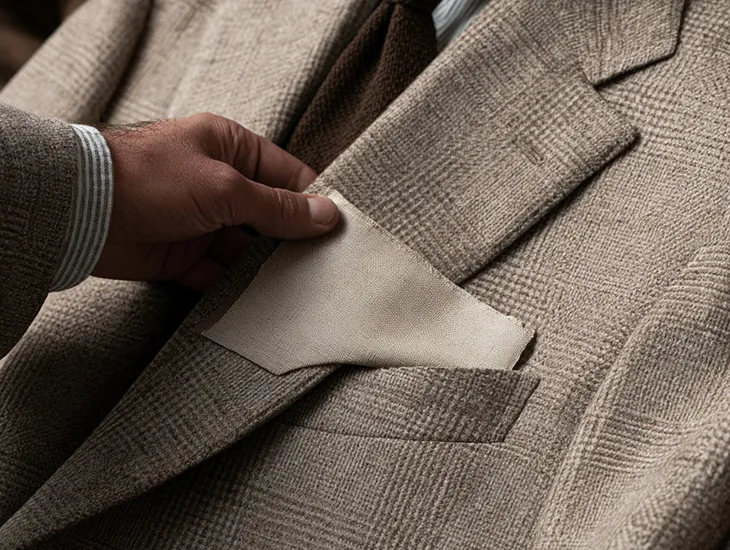
The defining aesthetic of modern menswear has shifted away from external branding toward material quality. Buyers who care more about cloth than logos increasingly source their garments based on how the fabric is made. A well-considered wardrobe is judged less by a visible emblem and more by the feel and drape of the fabric. In 2026, the global design industry reflects a growing recognition that good natural fibers hold their value beyond a single season. Collectors are paying closer attention to heritage mills and specialized artisans known for careful, consistent material sourcing. This shift reflects a deeper interest in garment construction, where the origin and processing of fibers plays a real role in a piece’s worth.
Acquiring Authenticated Pieces in the Secondary Market
Building a well-considered wardrobe increasingly involves specialized resale platforms. Collectors know that finding garments from respected mills doesn’t always mean buying at original retail prices. The authenticated pre-owned market offers a practical way to source these fabrics.
Through specialized marketplaces, buyers can find pieces from well-known Italian makers that have been checked for authenticity and condition. These platforms often function much like a Loro Piana Outlet, offering a wide selection of pre-owned menswear. The focus stays on the raw materials and the craftsmanship behind each garment.
Buying through these platforms lets design-conscious buyers invest in good fabrics without giving up provenance. The resale model supports continued use of well-made items, giving good cloth a second life. This approach fits with a buyer’s interest in both aesthetics and more responsible purchasing.
Natural Fibers and Their Properties
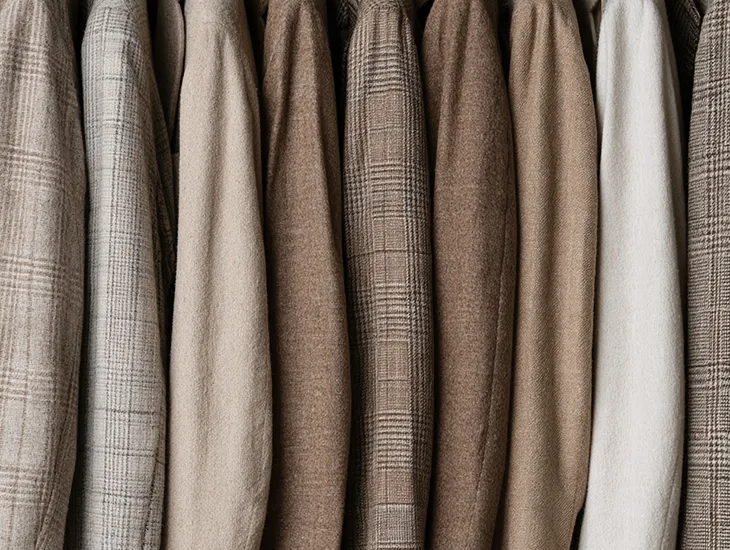
At the center of this fabric-focused approach is an appreciation for natural fibers that perform well. Materials such as cashmere, fine merino wool, and vicuña offer qualities synthetic alternatives don’t fully replicate. These fibers regulate temperature reasonably well and stay comfortable and lightweight across different climates.
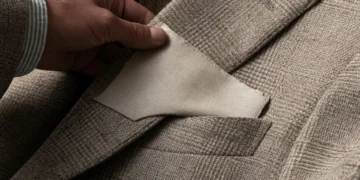
Good natural cloth tends to drape well and holds its shape over time. Well-spun yarn results in fabric that resists everyday wear better than lower-quality materials. Collectors look closely at the weight and ply of the yarn, since a tightly woven cashmere generally holds up and keeps its shape longer.
The tactile experience of these fabrics is also part of the appeal. The softness and breathability of unblended natural fibers create a more personal connection between the garment and the wearer. This is one reason fabric-focused purchases have become more common than logo-driven ones among engaged buyers.
Sustainability Through Material Longevity
Choosing well-made cloth supports a more sustainable approach to personal style. Menswear made from good raw materials is built to last, which can help offset the pace of seasonal fashion cycles. When a garment is made from better fabric, it tends to last longer, which can reduce how often a wardrobe needs replacing.
Pre-owned menswear illustrates this well, showing that well-made garments can hold their shape and look over the years. Buying pre-owned pieces from heritage mills isn’t only a style choice, it also fits with circular fashion principles. Durable materials like heavy-gauge cashmere allow pieces to pass through multiple owners without losing their appeal.
This kind of durability turns a clothing purchase into more of a long-term investment. Buyers who keep well-made garments in circulation reduce waste and recognize the work that goes into textile production. In many ways, sustainability in fashion comes down to making and keeping cloth that holds up under regular use.
What to Look For in Menswear Cloth
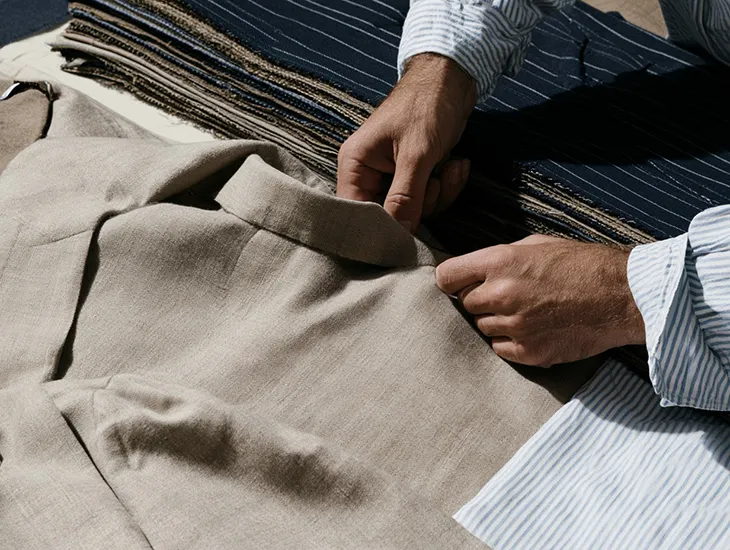
When evaluating a garment, collectors tend to rely on a few specific criteria that say more about the fabric than the label does. These go beyond the tag stitched inside the collar and focus on the physical properties of the weave.
A few things buyers commonly check before adding a piece to their wardrobe:
- Yarn Origin and Selection: Where the fleece comes from, for example, high-altitude regions for cashmere, affects the softness and durability of the thread.
- Ply Count and Tension: Twisting multiple strands together adds strength, while the tension of the weave affects how well the garment holds its shape.
- Finishing Processes: Techniques used after weaving, like milling or natural washing, shape the final feel and look of the material.
- Drape and Recovery: A good fabric hangs cleanly and recovers from wrinkling without much extra pressing or steaming.
Paying attention to these details helps buyers choose garments with real substance behind them. This kind of attention turns dressing into a more considered exercise in design and textile know-how.
The Financial Case for Fabric-Focused Buying
The move toward fabric-focused wardrobes also holds up from a financial standpoint. Garments made from good natural fibers tend to retain more of their value, which makes them reasonably desirable in the secondary market. The craftsmanship and material quality behind a piece can translate into years of wear that justify the initial cost.
Buying through specialized pre-owned platforms often comes with a meaningful price advantage. Buyers can regularly find authenticated items at forty to seventy percent below original retail. This lets buyers put their budget toward a wider range of good-quality textiles over time.
| Investment Metric | Logo-Centric Fast Luxury | Fabric-Centric Heritage Menswear |
| Value Retention | Depreciates quickly once the season ends | Tends to hold value longer due to material quality |
| Aesthetic Longevity | Tied to short-term trends and branding | Less trend-dependent, based on drape, texture, and fit |
| Secondary Market Demand | Can be volatile and trend-driven | Generally steadier among collectors |
| Physical Durability | Can wear or fade more quickly | Tends to hold up well over years of use |
In the end, the financial logic here comes down to durability. Material quality plays a real role in justifying the price well after the season ends, a reminder that what a garment is made of often matters more than the logo it carries.