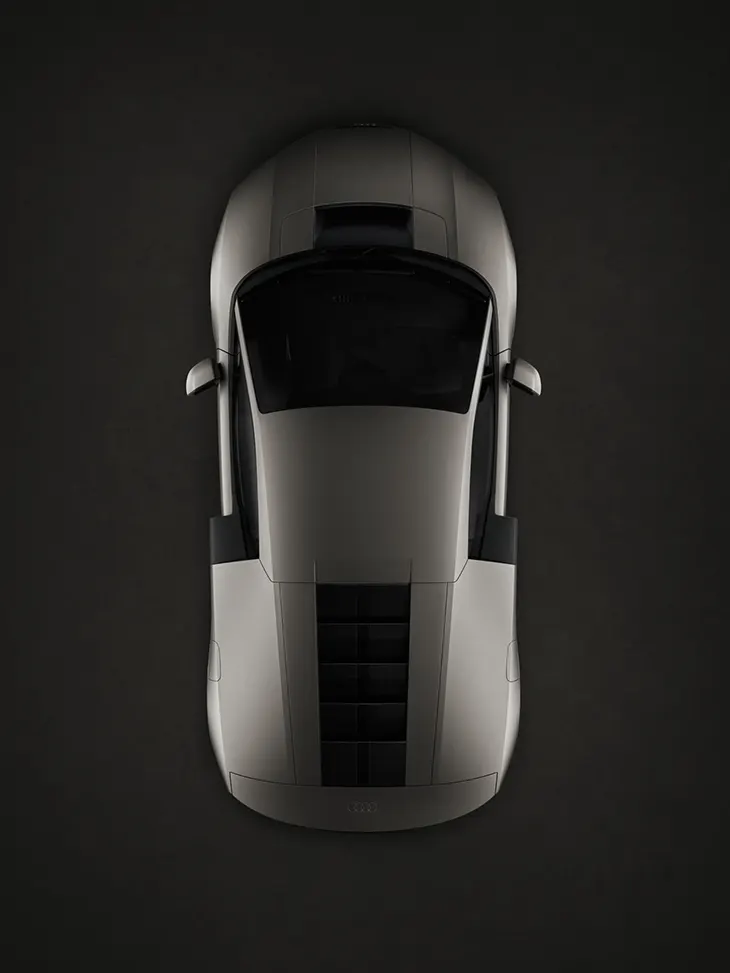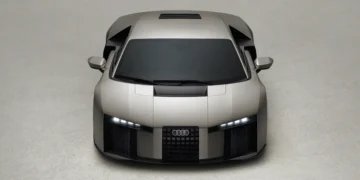



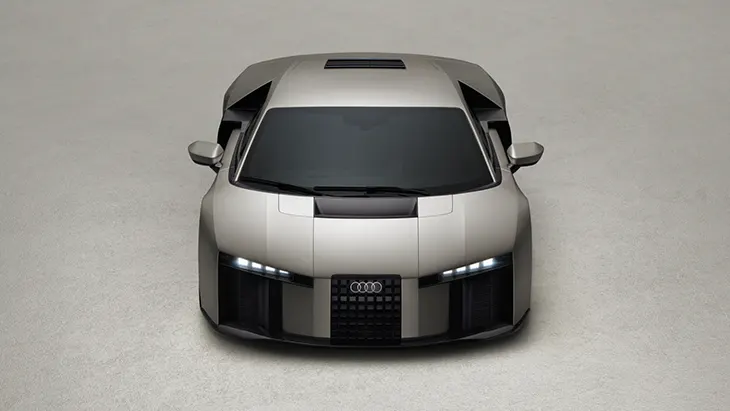
Audi presents the Nuvolari as its first supercar with a high-performance hybrid powertrain. The model produces 1,001 PS, exceeds 350 km/h and becomes the most powerful and fastest production vehicle in Audi history. Production will remain limited to 499 units, with deliveries scheduled to begin during the first half of 2027.
CARS
The Nuvolari accelerates from zero to 100 km/h in 2.6 seconds and reaches 200 km/h in 6.8 seconds under the specified battery conditions. Audi connects these figures to technologies developed with Formula 1 knowledge, including its hybrid system, quattro predictive ride, active aerodynamics and a new Audi Space Frame with a carbon exterior.
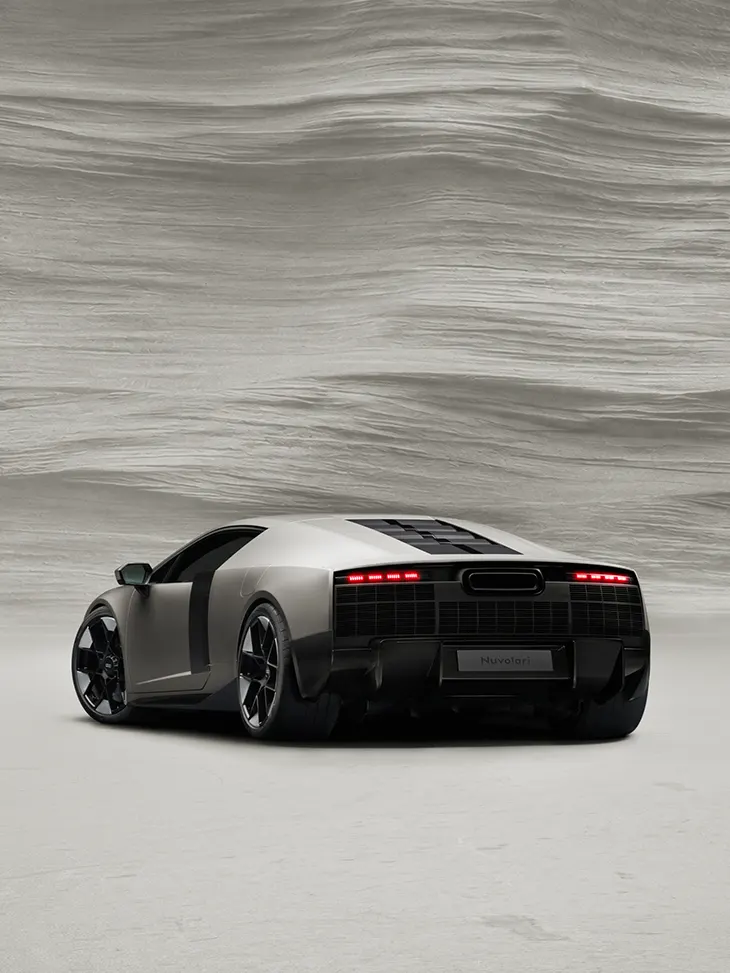
A V8 biturbo engine works with three axial-flux electric motors to produce the Nuvolari’s total system output. Two motors sit at the front axle and manage variable torque distribution, while a third supports the mid-mounted engine and transmission. A compact lithium-ion battery completes the hybrid system.
Audi developed quattro predictive ride to anticipate changes in grip. The system reads steering, acceleration and vehicle movement, then adjusts torque, braking and aerodynamic load before traction drops. Several driving modes allow the driver to prioritize efficiency, comfort, agility or maximum performance, while Track Mode provides more detailed control.
The new Audi Space Frame uses a carbon exterior to reduce weight and increase structural rigidity. Carbon-fiber-reinforced polymer covers almost every exterior panel, drawing on Formula 1 production methods. Forged center-lock wheels also make their Audi production debut.
Active aerodynamics adjust drag and downforce according to speed and driving conditions. A concealed S-duct, rear diffuser and adaptive rear wing work together to stabilize the car through corners and under braking. The driver can also activate the Drag Reduction System on straights, while the wing automatically increases downforce when greater control becomes necessary.
The energy-management system links power delivery, torque distribution and recuperation. It recovers energy during coasting and braking, using electric deceleration across many everyday and performance situations before the hydraulic brakes engage. Audi Ceramic Pro brakes pair brake-by-wire control with carbon-based discs designed for repeated track use. The system coordinates electric and hydraulic braking to maintain a consistent pedal response, directional stability and high thermal resistance.
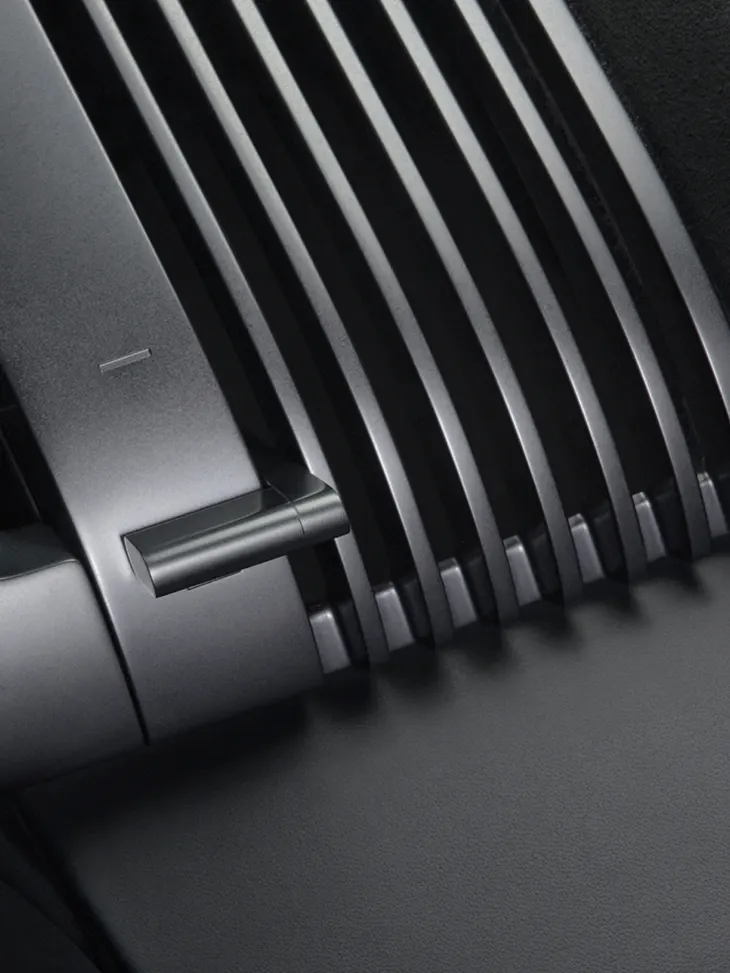
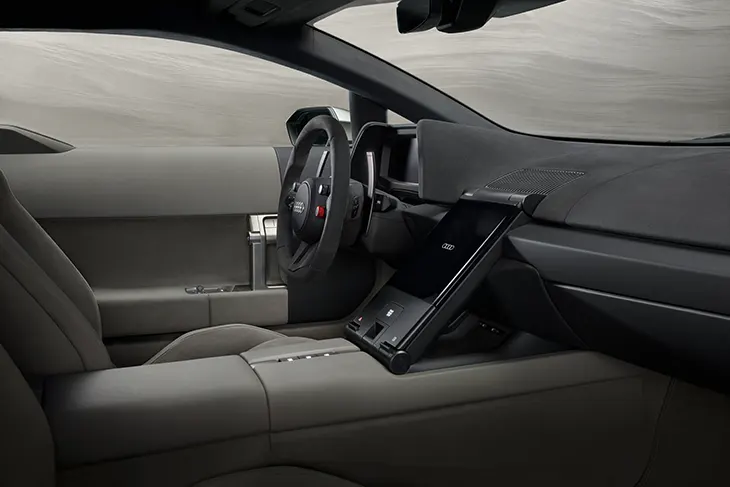
The interior centers every major function around the driver. Essential controls sit within immediate reach, while the displays reduce secondary information. Dark tones define the front of the cabin, with a lighter Shadow Dune finish behind it. Anodized aluminum components and carbon-structure seats support the technical character of the space.
Audi names the supercar after Italian racing driver Tazio Nuvolari. It also introduces the brand’s new design direction through taut surfaces, mid-engine proportions and Titanium paint shared with the Audi Concept C and Formula 1 race car.