


Combining two lives under one roof is a huge milestone. It’s an exciting blend of shared routines, late-night conversations, and the cozy comfort of building a home with someone you love. Yet, merging two distinct visual tastes, daily habits, and full sets of belongings into a single space can quickly get overwhelming. Designing a shared home takes much more than just picking paint colors or deciding where to put the couch. It calls for open communication, practical planning, and a genuine willingness to compromise.
When you both bring your own histories into a new space, every piece of furniture seems to carry a story. That worn armchair might be your favorite reading spot, but your partner might see it as a total eyesore. How do you decide what stays and what goes without somebody feeling hurt?
The key to navigating these differences is to treat the project as a team effort rather than a battle of wills. When you approach the process intentionally, you can build a space that feels cohesive, functional, and deeply personal to both of you.
Start with a Joint Inventory and Decluttering Session
Before you pack a single box or start scrolling through furniture catalogs, sit down together and inventory everything you both own. Moving into a shared home means looking at every single item with fresh eyes. Holding onto duplicate toaster ovens, extra sets of dishes, or multiple coffee tables just creates unnecessary clutter and friction early on.
Try categorizing your stuff into three simple groups: items to keep, items to donate or sell, and items you need to talk over. Focus on quality and actual use rather than simple ownership. If you both have a couch, see which one fits the new living room dimensions better and offers the best comfort.
Be real about sentimental items, too. You don’t have to throw away everything from your past, but you do need to curate your belongings so your new place doesn’t feel overcrowded.
It takes time. But decluttering before the move saves physical energy and helps establish a clean slate for your new environment.

Identify Your Shared Design Aesthetic
One of the most common hurdles couples face is merging opposite decor styles. You might prefer clean lines and minimal furniture, while your partner loves warm textures, vintage rugs, and eclectic art.
Rather than letting one person’s taste take over, aim for a balanced mix.
Start by gathering inspiration. So, create a shared mood board online or flip through design magazines to find common ground. Look for recurring colors, materials, or layouts that you both like. You might discover that even if your overall styles differ, you both appreciate neutral color schemes, warm wood accents, or soft lighting.
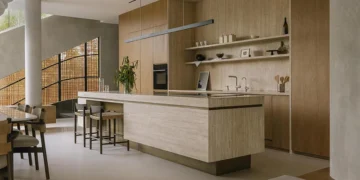
When you’re blending styles, use contrast to your advantage. A modern mid-century coffee table can look amazing paired with a cozy, textured rug. Industrial metal lighting can easily complement soft linen upholstery. The goal is to weave elements from both perspectives into one design story so neither person feels like a guest in their own home.
Map Out Functional Zones for Daily Life
A well-designed home has to support the actual reality of your daily routines. Before you finalize room layouts, think about how you both live, work, and relax throughout the week.
If either of you works from home, setting up dedicated workspaces is essential. Placing a desk in a quiet corner or repurposing a closet can keep work gear from spilling onto the dining table. And if space is tight, set up clear boundaries for shared zones so work hours don’t bleed into your downtime.
Pay just as much attention to how you relax. Make sure there’s comfortable seating for both of you in the main living space, along with good lighting for reading or watching movies. Think about how you move through high-traffic areas like hallways and the kitchen. A smart layout reduces daily frustration and keeps the mood calm.

Navigating Budgeting and Shared Expenses
Furnishing a home involves real financial choices that need straightforward discussion. Setting a clear budget early on prevents awkward misunderstandings and keeps things moving smoothly. Outline what you need to buy right away, like a good mattress or main seating, and what can wait for later.
So, how do you manage expenses without constant back-and-forth over every receipt?
Talk through how you’ll split costs for shared items, utility setups, and decor updates. Many couples choose to set up a shared account for household expenses, furniture, and monthly bills. How do joint bank accounts work? They allow both partners to pool agreed-upon amounts in one place, making it easier to manage rent, utilities, and home setup costs together.
Getting clear on finances early in the process lets you focus on the fun, creative parts of building your home without unnecessary stress hanging over you.
Create Opportunities for Personal Space
Even though moving in together is all about shared living, keeping a bit of individual space is huge for a healthy dynamic. Even in a small apartment, each person needs a spot that feels entirely theirs.
This personal nook doesn’t have to be a whole room. It could be a specific armchair with a nice reading lamp, a small vanity, a dedicated workbench, or even just your side of the bed arranged exactly how you like it.
Everyone needs a place to pause. Having a personal retreat gives you a quiet spot to recharge after a long day.
Respecting each other’s need for personal space builds real harmony. When you both feel like your personal needs are met, sharing the rest of the home gets a whole lot easier.

Embrace Patience and Ongoing Evolution
Remember, a home isn’t built overnight. Resist the urge to furnish and decorate every single corner during your first few weeks. Living in the space for a bit helps you understand its natural light, spatial limits, and daily flow far better than any initial plan ever could.
Take your time picking out art, lighting, and small details. Hunt for unique items together at local markets or shop slowly over time. Decorating gradually gives your shared space room to grow and reflect your life as it unfolds.
Moving in together is an ongoing journey of adaptation and shared growth. When you approach your home with patience, open dialogue, and mutual respect, you’ll create a welcoming sanctuary that celebrates your partnership while honoring who you are as individuals.
Images from Zuzanna Bijoch for DESIGN SCENE Magazine – See full article here.