


The portrayal of LGBTQ+ characters in media reflects a layered history – one shaped by cultural shifts, censorship, and the ongoing tension between recognition and misrepresentation. Early depictions relied on coded suggestions, offering rare glimpses of queer identity while reinforcing narrow, often damaging stereotypes. Over time, visibility increased, but not always for the better. The persistence of tropes like “Bury Your Gays” and the rise of queerbaiting show that LGBTQ+ stories are still too often shaped by commercial interests rather than a genuine understanding of queer lives. Still, throughout this evolution, many creators have delivered work that moves beyond tokenism, offering stories that are nuanced, affirming, and enduring. This article explores why true representation matters.
The Origins of Gay Coding
Gay coding emerged in media as a subtle way of representing LGBTQ+ identities when explicit depictions faced stringent censorship. During Hollywood’s restrictive Hays Code era from the 1930s to the late 1960s, any overt mention of homosexuality was strictly forbidden. Consequently, filmmakers and authors infused their characters with queer traits recognizable by LGBTQ+ audiences. These coded figures communicated shared identities through gestures, speech patterns, fashion choices, or lifestyles.
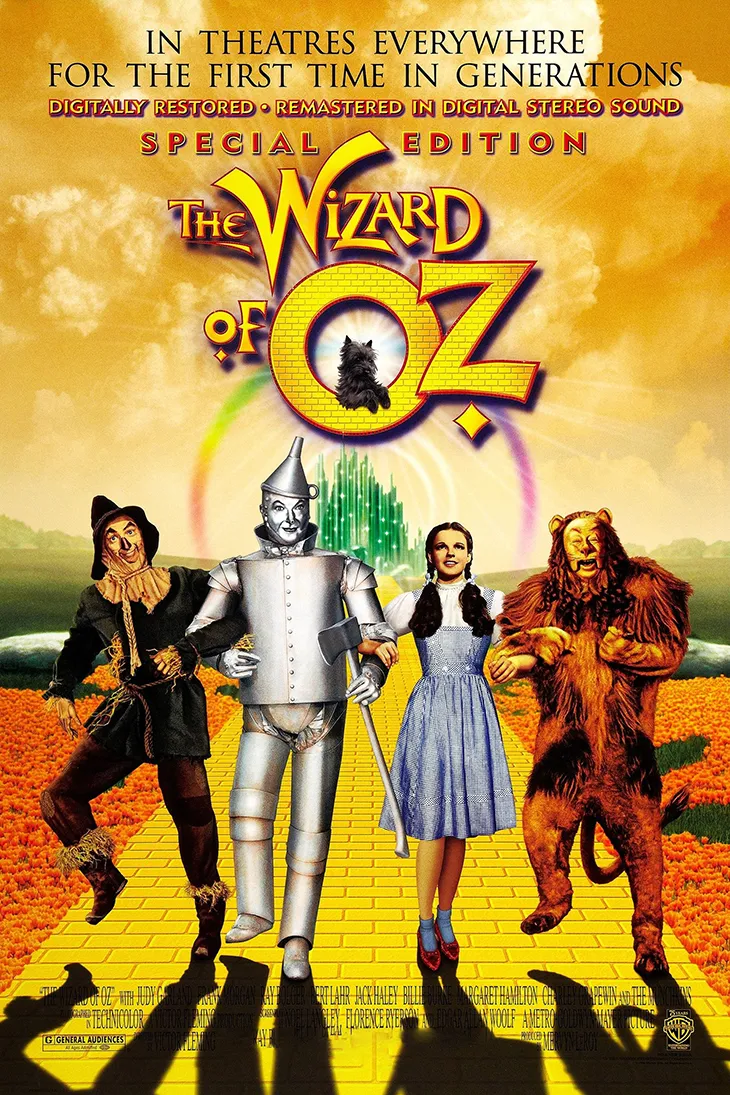
Early examples included the Cowardly Lion from The Wizard of Oz (1939), portrayed with stereotypically effeminate behaviors. Alfred Hitchcock’s characters often carried subtextual queer hints, particularly Brandon and Phillip in Rope (1948). Queer-coded characters became commonplace, subtly signaling a shared experience to those who understood these cultural cues.
Gay coding was inherently double-edged. For many LGBTQ+ viewers, these subtle hints were the only acknowledgment available. It created a secret dialogue, providing a sense of community and validation within a broader culture that denied their existence. However, coding also enforced negative stereotypes. LGBTQ+ traits were commonly assigned to antagonists or comedic side characters, reinforcing misconceptions that queer identities were unnatural, humorous, or villainous.
Still, gay coding laid a foundation. By pushing against censorship, it opened doors for more direct queer roles in later decades.
Queerbaiting: Exploiting Queer Subtext
With media restrictions easing by the late 20th century, expectations for explicit queer representation grew. However, this also birthed a problematic new phenomenon: queerbaiting. Unlike coding, which was often a cautious workaround to censorship, queerbaiting became a deliberate marketing strategy. Shows, films, and even music videos hinted at LGBTQ+ relationships or identities to attract queer viewers without delivering substantial representation.
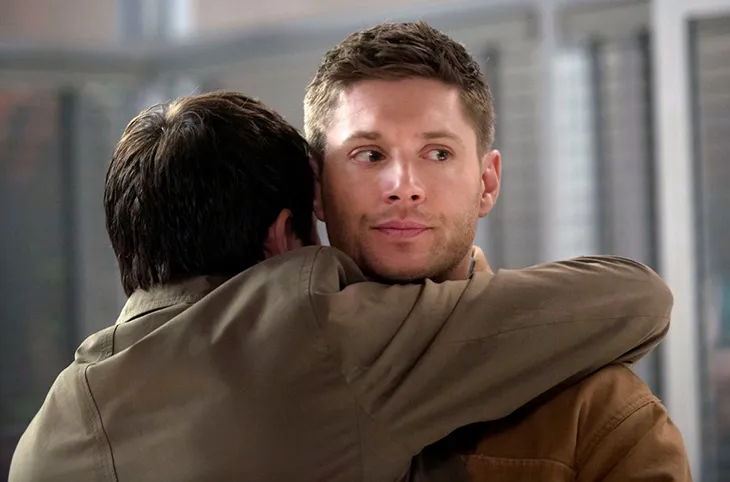
Supernatural became notorious: fans parsed the chemistry between Dean Winchester and Castiel for years, only to get a rushed, tragic conclusion that felt exploitative. Another example is Rizzoli & Isles (2010–2016), which centered on the close partnership between detective Jane Rizzoli and medical examiner Maura Isles. Their relationship was built on emotional intimacy, domestic scenes that mirrored romantic couples, and moments of physical closeness that many viewers interpreted as deliberately suggestive. Despite this dynamic – and the show’s marketing often leaning into their chemistry – the writers never acknowledged a romantic connection, insisting they were simply close friends. For many LGBTQ+ viewers, this felt like classic queerbaiting: signaling queerness without following through.
Queerbaiting trades solidarity for clicks. It monetizes queer interest without offering genuine narratives, creating frustration and distrust among LGBTQ+ communities.
The “Bury Your Gays” Trope: Tragic Outcomes and Lasting Damage
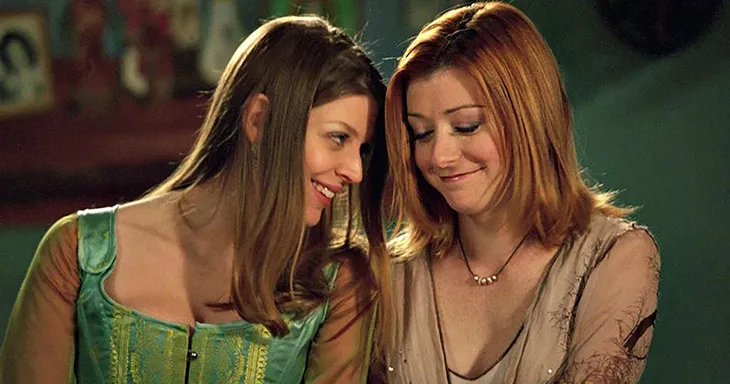
Another harmful media pattern is the “Bury Your Gays” trope. This trend involves killing off LGBTQ+ characters – often soon after they experienced moments of happiness or acceptance – thereby reinforcing the notion that queer love is doomed. The damage of this trope is twofold: it erased rare positive representation and sent the message that queer lives are expendable.
Widely recognized examples are plentiful. In Buffy the Vampire Slayer (1997–2003), Tara Maclay’s violent death in Season 6 abruptly ended one of television’s few stable lesbian relationships and reduced her character to a plot device in Willow’s emotional collapse. In The 100 (2014–2020), viewers celebrated Lexa’s leadership and her burgeoning romance with Clarke Griffin – only to be blindsided when Lexa died a few episodes later. Fans rightfully protested, arguing that queer characters deserved more than brief glimpses of happiness before tragedy struck.
Beyond these examples, other main characters and countless side characters have also died, reinforcing the idea that queer lives serve as tools for shock value. Charlie Bradbury in Supernatural (2005–2020) and Fred Burkle in Angel (1999–2004) both met tragic ends despite being beloved by fans for their depth and kindness. When queer characters are disproportionately killed, it instills a deep sense of mistrust among LGBTQ+ viewers – they learn that investing emotionally in queer characters can lead only to pain.
However, viewer backlash and advocacy have ignited change. Although the trope has not disappeared, awareness has dampened its prevalence and inspired creators to envision more hopeful, sustained narratives for queer characters.
Positive Representation: Meaningful Queer Narratives
Amid the complications of coding, tragic tropes, and baiting, many creators have produced truly authentic, affirming queer stories – across film, television, literature, and music. These works demonstrate that queer characters can be fully realized individuals, not stereotypes or plot devices.
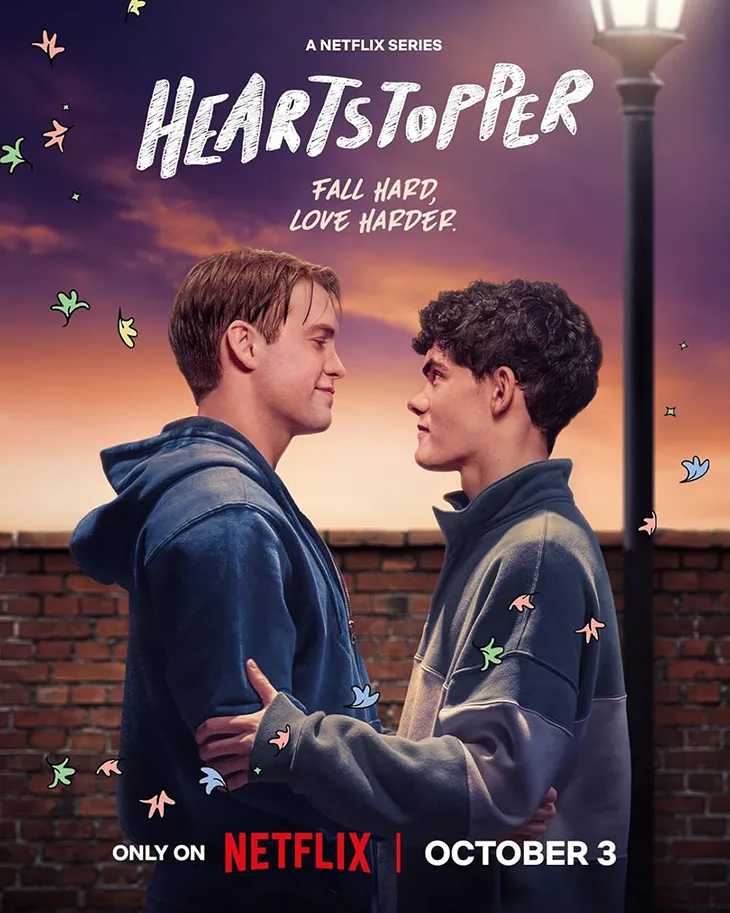
On television, HBO’s Six Feet Under (2001–2005) was groundbreaking in its honest depiction of a gay couple, David Fisher and Keith Charles. Their relationship faced everyday struggles, reflecting genuine queer experiences without resorting to stereotypes or unnecessary tragedy. Pose (2018–2021) shattered barriers by focusing on Black and Latino queer and transgender people in New York’s ballroom scene during the 1980s and 1990s. Its overwhelmingly LGBTQ+ cast and creatives brought authenticity to each storyline – showing joy, resilience, heartbreak, and community solidarity in the face of the AIDS crisis and societal rejection. Equally impactful, Heartstopper (2022–) on Netflix centers the tender romance of Charlie and Nick, two British teens navigating friendship, love, and self-discovery. Its quiet, earnest depiction of queer youth has been lauded for normalizing LGBTQ+ relationships.
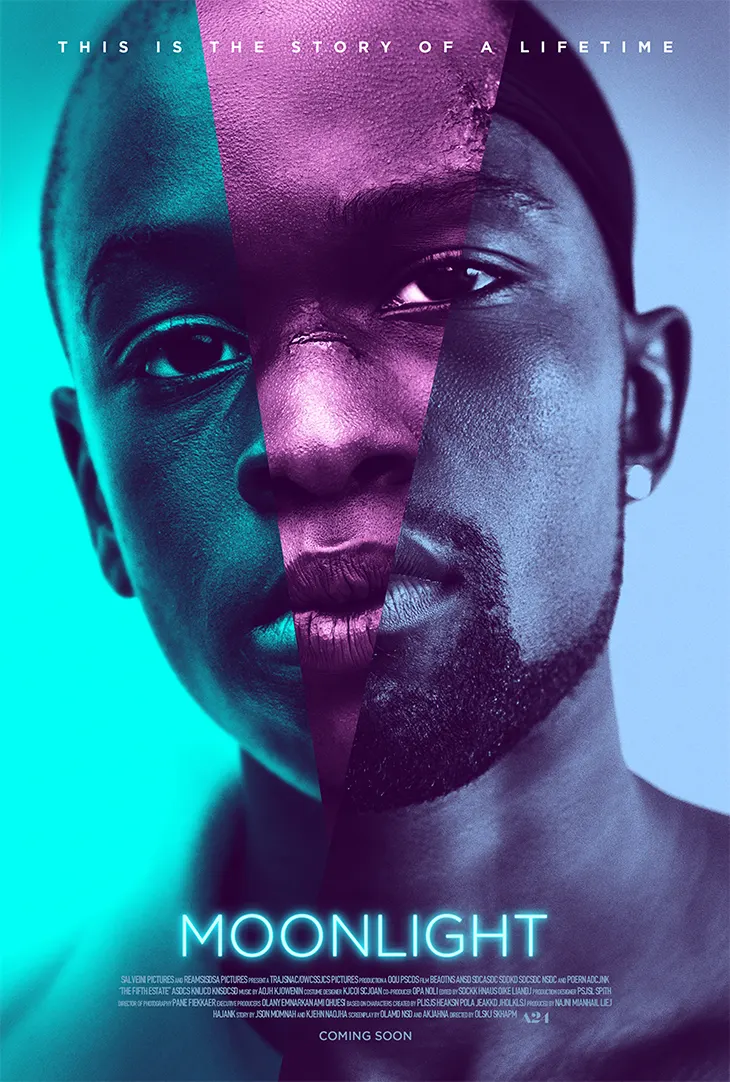
In film, Moonlight (2016) made history by winning the Academy Award for Best Picture, telling the coming-of-age story of Chiron, a young Black gay man grappling with identity and acceptance. By focusing on nuanced emotions and the search for belonging, it defied conventions – proving that queer stories could be both artful and widely resonant. Carol (2015) and Portrait of a Lady on Fire (2019) delivered lush, poetic romances between women, refusing any notion that queer love must end in sorrow. These films centered lesbian desire and connection with sincerity, breaking free from coded references or tragic endpoints.
These examples highlight that when creators approach queer stories with care and respect – allowing characters to live, love, and grow authentically – audiences respond with enthusiasm. These works entertain and also empower LGBTQ+ individuals, providing mirrors where queer viewers can see themselves reflected and validated.
The Broader Impact Across Media
Literature and music also bolster genuine LGBTQ+ representation. Novels like Jeanette Winterson’s Oranges Are Not the Only Fruit and Alan Hollinghurst’s The Line of Beauty deliver complex queer narratives without resorting to stereotypes or tragic outcomes. Musicians such as Lil Nas X, Troye Sivan, and Hayley Kiyoko openly discuss queer themes in their work, reflecting – and helping to drive – wider social acceptance.
Research shows that positive media portrayals correlate with increased empathy and reduced stigma, especially among younger audiences. Seeing queer characters living full lives helps queer viewers feel less isolated and encourages broader understanding.
Looking Forward: Accountability and Authenticity
The history of queer representation in media is complex and often fraught with challenges: covert coding that both erased and affirmed, tragic tropes that repeatedly snatched away rare joy, and manipulative queerbaiting that dangled representation without substance. Yet progress continues, as more authentic, diverse queer stories appear on screens, pages, and stages. Understanding this journey – its missteps and triumphs – illuminates why genuine visibility matters so deeply: it fosters belonging, challenges prejudice, and celebrates the multifaceted reality of LGBTQ+ lives. The path forward demands creators who embrace truth over trope, ensuring that queer voices are heard, honored, and allowed to flourish in all their diversity.