



We’ve all heard that style is something you either have or you have to buy. Honestly, the usual story suggests that looking “put together” requires a bottomless bank account and a love for designer labels. But if you look closely at the people who consistently look the best, you’ll notice a different pattern. They aren’t necessarily the biggest spenders. They’re just the smartest ones.
They understand that style is more about intention than just a transaction. It’s about the vibe, not the price tag.
The secret to looking great while keeping your savings account healthy comes down to a few specific habits. These habits bridge the gap between being responsible with your money and expressing who you are. So, is it actually about the clothes, or is it about the strategy behind them? It’s about moving away from the constant cycle of fast fashion and impulse buys. It’s moving toward a curated, sustainable approach to your wardrobe and your life.
The Power of the High-Low Mix
One of the most effective habits of stylish spenders is mastering the high-low mix. This is really just the art of pairing affordable staples with one or two quality investment pieces. You don’t need a closet full of expensive items to look high-end.
A perfectly tailored pair of trousers from a budget-friendly shop can look incredibly expensive when you pair them with a genuine leather belt or a high-quality coat.
And that’s where people get it wrong. They think every single piece needs to be a splurge. Stylish spenders invest their money where it actually counts. They spend more on items that endure, like footwear, outerwear, or a classic handbag. But they save money on trendy tops or basic tees that’ll inevitably need replacing. This balance creates a look that feels elevated and intentional without draining your resources.

Intentionality Over Impulse
Impulse buying is the enemy of both style and savings. We’ve all been there, scrolling through your phone at 11:00 PM and seeing a “must-have” item on social media. You walk past a sale sign and suddenly you’re at the checkout counter. Stylish spenders have broken this cycle.
They shop with a list and a clear understanding of what their wardrobe actually needs.
Before making a purchase, ask yourself if the item fits with at least three other things you already own. If it doesn’t, it’s not a bargain. It’s a burden. Taking twenty-four hours to think over a purchase is a simple habit that saves thousands of dollars over time. This delay lets the emotional “spark” fade. It leaves you with a rational decision. When you shop intentionally, you end up with a cohesive collection of clothes that you actually love to wear.
The Maintenance Mindset
Looking good is often less about what you buy and more about how you care for what you already have. Stylish spenders treat their belongings with respect. They understand that a cheap sweater looks expensive when it’s de-pilled and well-pressed. On the flip side, an expensive silk shirt looks cheap if it’s wrinkled and stained.
Learning basic maintenance skills can transform your look. Knowing how to sew a button, treat a stain, or properly polish your shoes extends the life of your garments. It also ensures that you always look polished. This habit shifts the focus from “getting more” to “making the most.” It’s a sustainable approach that honors both your financial investment and your personal presentation.

Managing the Logistics of Style
Being a stylish spender also means being organized with your finances. You can’t make smart style decisions if you’re stressed about your bank balance. Part of the habit is having a system that makes managing your money as seamless as picking out an outfit.
For many, this means using modern tools to keep their savings on track.
For example, when you’re out and about and find that perfect vintage find, you want to know exactly where your budget stands. You also want the practical side of your finances running quietly in the background. If you receive a reimbursement, a freelance payment, or even a birthday check, handling it shouldn’t require rearranging your day. With tools like the SoFi mobile banking deposit feature, you can endorse the check and submit it through the app, then view the expected availability right from your phone without making a separate trip to a branch. When the mechanics of moving money feel simple and predictable, it’s much easier to focus on building a wardrobe and a life that feels intentional.
Quality Over Quantity
The mantra of “quality over quantity” is a cliché for a reason. It works. A closet overflowing with cheap, poorly made items often leads to the “I have nothing to wear” syndrome. This happens because those items lose their shape, fade, or simply don’t feel good on your skin.
A stylish spender would rather own five incredible shirts than twenty mediocre ones.
High-quality fabrics like cotton, wool, and linen don’t just look better; they last much longer. They drape better on the body and withstand the wear and tear of daily life. While the initial price tag might be higher, the cost per wear is significantly lower. This is the ultimate “saving smart” strategy.
Embracing the Second-Hand Market
Finally, the most stylish people are often the best thrift and vintage shoppers. They know that the second-hand market is a goldmine for unique, high-quality pieces at a fraction of the retail price. Thrifting requires patience and a good eye, but the payoff is huge.
Shopping second-hand allows you to find brands and materials that might otherwise be out of reach. It also ensures that your style remains unique. You won’t walk into a room and see five other people wearing the same thing. This habit is the perfect intersection of environmental consciousness, financial savvy, and personal flair.
What if your next favorite piece of clothing is already out there, just waiting for you to find it?
Looking good doesn’t require a sacrifice of your financial goals. By adopting these habits, you can build a life and a wardrobe that feel rich, authentic, and entirely your own. It’s about choosing value over volume and confidence over consumption.
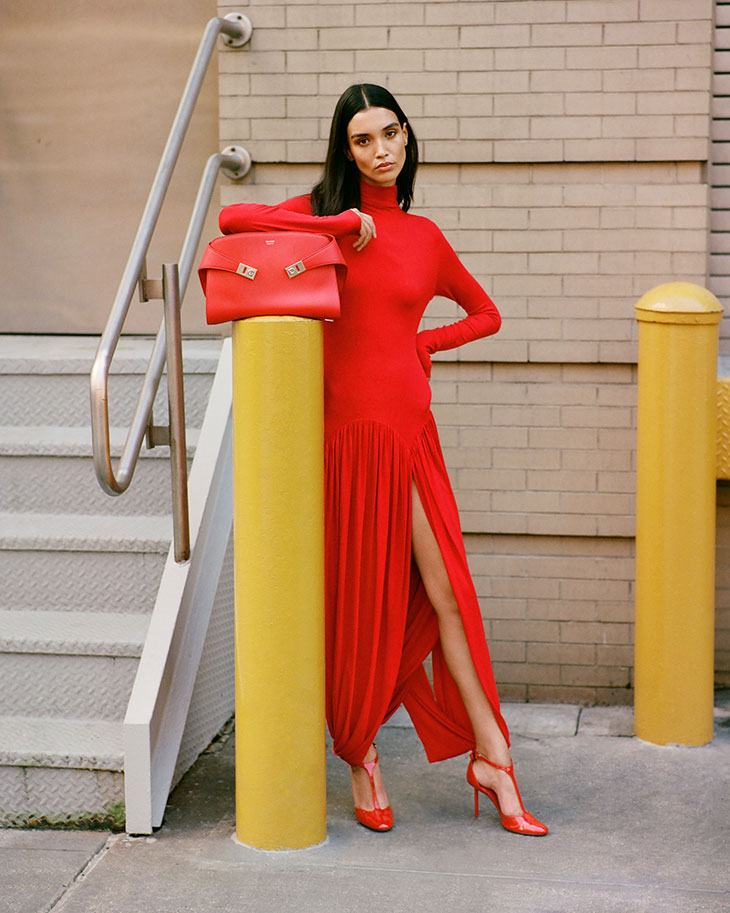
Images from City Slicker by Pip Bourdillon – see full article here.