


A well-designed outdoor setting can provide a pleasant place to start your day and unwind in the evening. You can plan your backyard or patio around your daily routine and comfort to make better use of the space. A peaceful morning spot benefits from seating with natural light, while evening relaxation calls for soft lighting and comfortable furniture.
Designing for Morning and Evening Use
An effective outdoor area should remain practical as the time of day changes. During the morning, you may want natural light, a convenient surface for drinks and a quiet atmosphere. In the evening, you may need additional lighting and protection from the chill. Designing for both allows you to enjoy the same space without constantly reorganizing it.
Consider comfort, accessibility, appearance and durability throughout the planning process. Outdoor furniture should be easy to use, lighting should support evening activities, and materials should suit the local weather and their expected exposure. Thoughtful planning can help turn your backyard or patio into an enjoyable place to spend time.
Choosing Furniture for Daily Use
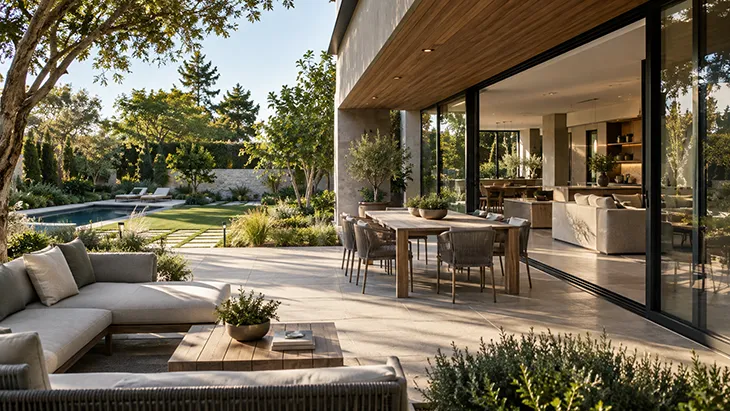
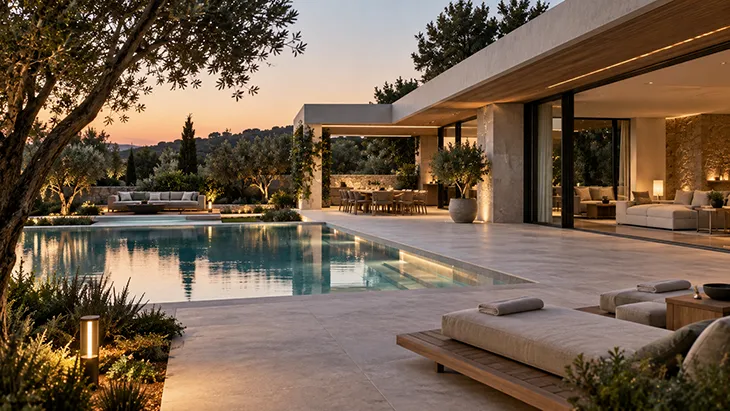
Comfort should be a priority when choosing seating for an outdoor relaxation area. Chairs and benches should provide enough support for you to sit comfortably. A small table can offer room for coffee, books, food and drinks during morning and evening use. Choose materials that suit the weather conditions and the amount of maintenance you can manage.
Furniture placement also affects how the space feels throughout the day. Position morning seating to receive pleasant sunlight, and consider how to avoid glare from the setting sun. Cushions can add comfort without permanently changing the seating arrangement. When choosing colors or finishes, consider how they work with your home’s exterior, including nearby walls, flooring and paint.
Planning Lighting and Shade
Lighting becomes particularly important when you use the space for evening relaxation. Several smaller lights around the area can provide soft illumination and useful visibility. Position lights near furniture and walkways where they help you move around comfortably. Check their angles so the fixtures do not shine directly into people’s eyes.
Shade requirements depend on how much sunlight the area receives, the season and when you use it. A covered terrace or umbrella can protect seating from direct sunlight. A pergola may also provide shade, depending on its design and coverage. Choose an option that works with your home’s appearance and allows adequate airflow.
Consider lighting and shade together when planning the layout. The same seating area may receive comfortable light in the morning and need shelter as the sun moves. Observing these changes can help you decide where each feature will be most useful.
Connecting the Space With Nature
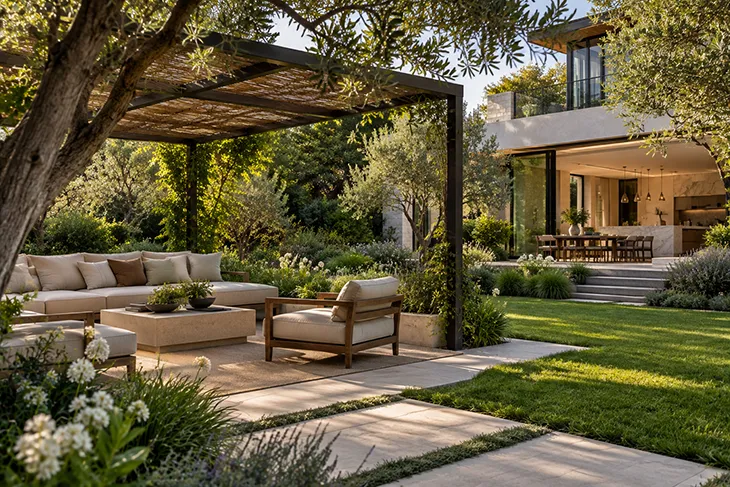
Plants can strengthen the connection between your relaxation area and its surroundings. Potted plants, garden beds, shrubs and small trees add variety and help create different zones in the yard. Choose plants according to sunlight, climate and appearance. A suitable selection can define separate areas while keeping maintenance manageable.
Natural features can create a tranquil atmosphere during the day and at night. A view of the garden or nearby trees can make a seating area more attractive without requiring extra decoration. You can include water features or natural stone where they suit the available space and the overall design.
Think about these features from the seating area itself. Notice which plants and views you can enjoy while sitting down, and consider how they relate to nearby furniture. This helps you connect the planting with the part of the garden you use most often.
Designing an outdoor relaxation area involves considering how furniture, lighting, shade and planting support your routine. Look at how sunlight and temperatures change throughout the day, then use those observations to guide your choices. A practical layout can help the space remain comfortable from morning to evening.
The aim is to create a place that suits your habits and feels inviting whenever you use it. Comfortable seating, convenient surfaces, appropriate lighting and well-chosen plants can help your backyard or patio become a regular part of daily life.