


A restaurant visit is no longer defined by food alone. Guests are increasingly drawn to places where the environment feels welcoming, comfortable, and easy to spend time in. Design plays a quiet but powerful role in shaping that experience.
Elements such as layout, lighting, acoustics, and background sound work together to influence how people feel from the moment they enter. These choices affect whether guests relax, engage in conversation, or feel ready to leave quickly.
Restaurant owners and designers now approach space with intention. The goal is not just to serve meals efficiently, but to create an atmosphere where people naturally want to stay longer, return often, and associate the space with positive memories.
The Art of Comfortable Flow
The way guests move through a restaurant shapes their first impression. From the entrance to the host stand to the table, spatial flow affects whether the environment feels welcoming or stressful. Clear sightlines help people orient themselves immediately. When guests can see the bar, dining area, or open kitchen, it creates visual energy without confusion. They understand where to go and what to expect. This reduces hesitation and makes the space feel approachable.
Spacing between tables also influences comfort. When tables are too close together, guests may feel exposed or rushed. When spacing is balanced, conversations feel more private and relaxed, even in a busy room.
Traffic paths matter for both guests and staff. Servers need to move smoothly without interrupting diners, and guests should be able to walk without squeezing between chairs. Thoughtful circulation reduces friction and helps everything feel calm and organized. Strategically located back-of-house sanitation points, such as Restaurant Supply janitorial sinks streamline cleanup, reduce spills and odors, and minimize staff cross-traffic that can disrupt guest flow.
Different layouts serve different purposes. A café with small nooks and corner seating encourages quiet conversation and longer stays. In contrast, an open dining hall with visible movement and flexible seating can support faster turnover while still feeling comfortable.
When flow is designed well, guests rarely notice it directly. They simply feel at ease. The space makes sense, and their attention stays on the people they are with rather than the environment around them.
Seating That Invites Guests to Settle In
Seating is one of the most direct influences on how long guests remain in a restaurant. Comfort, support, and material all send subtle signals about whether to linger or move on.
Ergonomics play a key role. Seats that are too hard, too upright, or poorly proportioned create physical fatigue over time. In contrast, slightly cushioned seating with supportive backs encourages guests to relax and stay engaged in conversation.
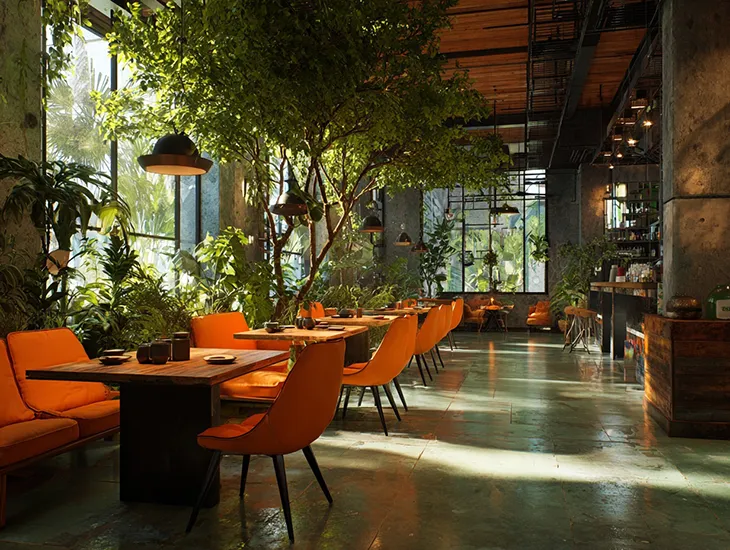
Materials contribute to emotional comfort as well. Upholstery, wood, and textured fabrics add warmth and visual softness. These materials make the environment feel less sterile and more welcoming.
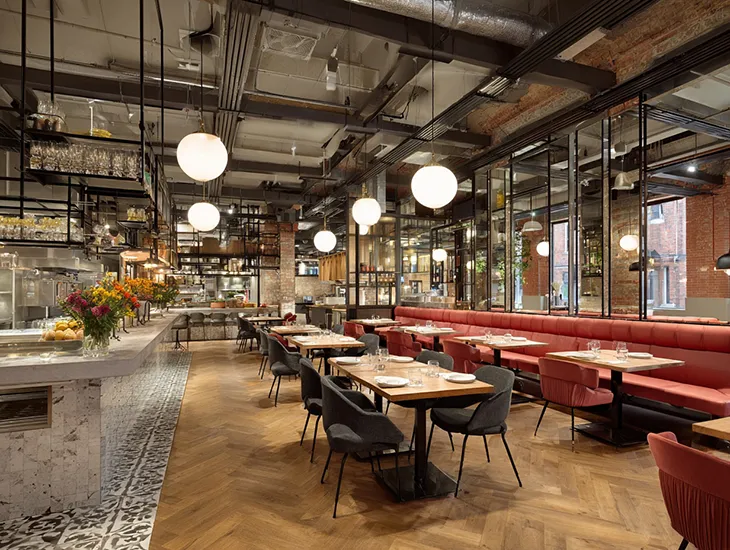
Variety in seating allows restaurants to support different guest needs. Banquettes offer privacy and comfort for longer meals. Bar stools provide flexibility for solo diners or shorter visits. Lounge seating can create informal areas where guests gather casually.
Lighting and spacing reinforce the feeling of comfort. When seating is positioned with enough distance and gentle lighting, guests feel a sense of privacy without isolation. This balance helps people remain present in the moment without distraction.
Managing Noise Without Creating Silence
Sound is one of the most challenging elements of restaurant design. Too much noise creates stress and fatigue. Too little sound makes conversations feel exposed and uncomfortable.
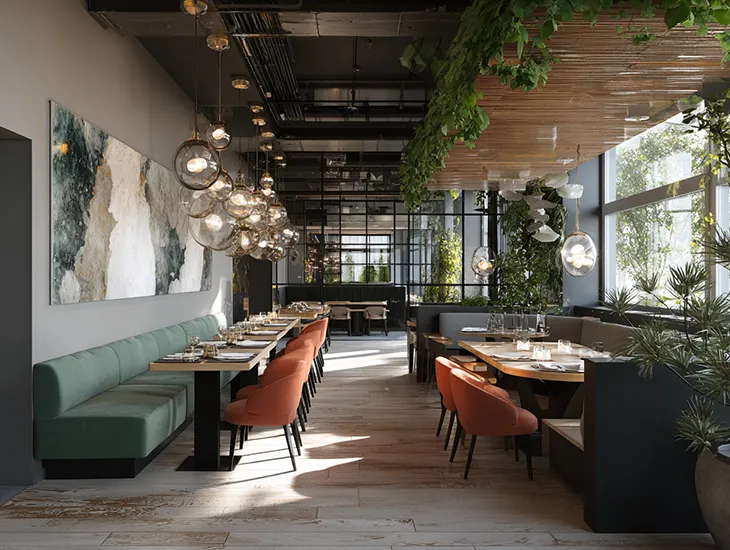
Designers use materials to control how sound behaves within a space. Upholstered furniture, curtains, rugs, and acoustic wall panels absorb excess noise. Wood and natural textures help soften echoes. Plants also contribute by breaking up sound reflections.
These elements prevent harsh reverberation and allow conversations to blend into a comfortable background presence. Guests can hear each other clearly without raising their voices.
Background audio also plays an important role. For many restaurants, creating the right atmosphere includes background playlists chosen to enhance the dining rhythm. Services like music for restaurants help curate audio suited to different times of day, guest demographics, and brand identity.
Sound levels often shift throughout the day. Lunch periods may feature softer, calmer music that supports quick but pleasant visits. Evening service may introduce slightly higher energy to match social dining patterns.
Acoustic zoning is another useful approach. Designers may use partitions, ceiling treatments, or material changes to create areas with slightly different sound characteristics. This allows busy sections to feel lively while quieter areas remain calm.
When sound is managed well, guests feel energized but not overwhelmed. The environment supports conversation naturally, without drawing attention to itself.
Lighting that Shapes Mood and Time Perception
Lighting influences emotional response and even how guests perceive time. Bright, cool lighting creates alertness and clarity. Dimmer, warmer lighting encourages relaxation and longer stays.
Natural light is especially valuable during daytime hours. Sunlight makes spaces feel open and fresh. It supports casual visits, daytime productivity, and quicker turnover without feeling rushed.
As evening approaches, warmer tones help signal a shift toward slower, more social dining. Softer lighting reduces visual intensity and encourages guests to focus on conversation rather than surroundings.
Layered lighting provides flexibility. Overhead lighting ensures general visibility. Accent lighting highlights architectural features or artwork. Table lighting creates intimacy and visual focus at the dining surface.
Transitions between areas are also important. The bar may be slightly brighter to create energy, while dining areas remain softer. This subtle variation helps guests move comfortably through the space.
Balanced lighting allows guests to feel seen and comfortable without harshness. It supports relaxation while maintaining a sense of safety and awareness.
Balancing Energy During Busy Periods
Restaurants naturally experience fluctuations in activity. Peak hours can quickly create noise, crowding, and visual intensity. Good design helps maintain comfort even during these busy periods.
Clear pathways prevent congestion. When guests and staff can move freely, the environment feels more organized and less stressful. Flexible seating arrangements allow staff to adjust capacity without disrupting flow.
Acoustic planning prevents noise from escalating as occupancy increases. Materials that absorb sound ensure the space remains comfortable even when full.
Lighting and background music can also be adjusted to maintain balance. Slight changes in brightness or tempo help sustain energy without overwhelming guests.
For example, a popular brunch restaurant may use varied seating zones, soft acoustic materials, and moderate sound levels to ensure the space remains enjoyable even at peak capacity.
Small Details that Encourage Connection
Small design details contribute to emotional comfort in subtle ways. Natural materials such as wood and fabric create warmth and familiarity. Warm color palettes make spaces feel calm and inviting.
Decor elements also influence mood. Artwork, greenery, and thoughtful textures provide visual interest without distraction. These details give guests something to engage with while maintaining a relaxed environment.
Lighting reflections, especially from candles or warm fixtures, soften the visual field. This reduces visual tension and makes time feel less structured.
Most guests are not consciously aware of these choices. They simply feel more comfortable and present.
Where Design and Experience Meet
Restaurant design shapes how guests experience a space long before the first bite of food. Layout, seating, sound, and lighting all work together to influence comfort and behavior.
When these elements are carefully considered, guests feel relaxed and welcome. They stay longer, engage more deeply, and associate the restaurant with positive experiences.
Thoughtful design supports both operational efficiency and emotional comfort. It helps turn a simple meal into an experience people genuinely want to repeat.