



The fashion industry, known for its quick shifts in trends and intricate logistics, encounters substantial operational hurdles. Managing these effectively is crucial for remaining competitive and profitable. Adopting Enterprise Resource Planning (ERP) systems has markedly improved operational efficiency and flexibility. Current projections suggest the ERP market will expand substantially, potentially reaching $123.41 billion by 2030, highlighting its integral role in various industries, fashion included. Let’s examine how ERP systems specifically enhance efficiency in the fashion world.
Streamlined Design and Product Development
ERP systems consolidate crucial functions needed for fashion design and product development into one central platform. This integration effectively removes obstacles among design, production, and marketing departments, ensuring seamless cooperation. With instant updates at their fingertips, fashion ERP software helps team members can quickly make more informed decisions, which reduces the likelihood of errors and delays. This efficient collaboration significantly speeds up the transition from design sketches to market-ready products, and it helps ensure consistency in the brand’s identity across all items.
Efficient Inventory Management
A key benefit of a fashion ERP software is advanced inventory management. These softwares offer real-time insights into inventory levels, monitor stock across various locations, and automate reordering procedures. The use of artificial intelligence aids in predicting future inventory needs and scheduling production accordingly.
They align production schedules with retail demand effectively, crucial for avoiding seasonal surplus or deficits. This precision helps companies reduce waste and maintain ideal stock levels, supporting effective demand forecasting. With comprehensive control and visibility over inventory, fashion firms can swiftly adapt to market demands and reduce costs linked to excess inventory.
Improved Supplier and Vendor Relationships
ERP systems optimize interactions with suppliers and vendors by centralizing orders, delivery schedules, and payments. Digitalizing these processes allows businesses to monitor supplier performance continually, fostering stronger partnerships. This functionality ensures any delays or quality issues are promptly identified and addressed, reducing disruptions in the supply chain.
Centralizing these processes not only cuts down on administrative costs but also boosts communication and negotiating power. With improved management of supplier relationships, fashion firms can secure more advantageous terms and bolster the reliability of their supply chains, critical in a sector where trends shift rapidly.
Enhanced Sales and Customer Management
By integrating Customer Relationship Management (CRM) capabilities, ERP systems support fashion companies in honing their sales techniques and improving client services. A 2026 comparison of B2B platforms featuring top-rated AI sales tools shows how AI can complement ERP and CRM to streamline prospecting, forecasting, and omnichannel engagement for fashion brands. These systems customize customer interactions by assessing purchase trends and preferences, which enhances customer satisfaction and fosters loyalty.
ERP systems are equipped with sophisticated reporting tools that empower sales teams to predict customer behaviors and customize marketing efforts, resulting in improved conversion rates. Furthermore, these systems smoothly connect with e-commerce platforms, boosting online sales and providing a uniform shopping experience across multiple channels.

Integrated Financial Management
Within the fashion industry, ERP systems play a crucial role in financial oversight. They streamline critical financial operations, such as invoicing, budgeting, and compliance reporting, which minimizes errors and ensures precision in financial records. This automated approach supports rigorous financial control, helping fashion companies maintain compliance and accuracy in their financial reporting.
This automation supports timely and informed financial decision-making, crucial for maintaining profitability and compliance in the fast-paced fashion market. Moreover, detailed cost breakdowns provided by ERP systems help fashion businesses identify inefficiencies in production or procurement processes.
These insights allow companies to better allocate their resources and prioritize high-margin product lines. Real-time financial data supports decision-making processes, helps manage costs, and boosts profitability. Furthermore, the integrated framework of ERP systems ensures that financial performance is in harmony with other business activities, reinforcing the achievement of strategic goals.
Scalability and Flexibility
As fashion companies expand, the requirement for scalable and adaptable business solutions intensifies. ERP systems are engineered to accommodate this expansion, adjusting to new business operations, increasing product lines, and broader operational scales without sacrificing efficiency. The modular design of many ERP systems permits the addition of new features and functionalities as required, circumventing excessive costs during the initial setup phase. Moreover, these systems are adaptable to meet specific industry requirements, such as the management of intricate size and color variations.
Mobile Accessibility
Modern ERP solutions embrace mobile technology, enabling business leaders and team members to manage operations from anywhere in the world. This mobile functionality is essential for professionals who often travel or must make prompt decisions away from a conventional office setting.
Through mobile applications, users can retrieve real-time information, perform transactions, oversee inventory, and interact with team members, all from their smartphones or tablets. This adaptability guarantees that decision-makers remain informed and able to respond quickly, thus sustaining an uninterrupted operational flow and improving customer service responsiveness.
Finally, ERP systems play a crucial role in reshaping the operational framework of the fashion industry. They drive significant enhancements in efficiency, agility, and responsiveness, all of which are vital for thriving in this vibrant market. By utilizing ERP systems, fashion companies not only maintain pace with current trends but also foresee upcoming changes, ensuring continuous growth and a competitive edge in a rapidly progressing sector.
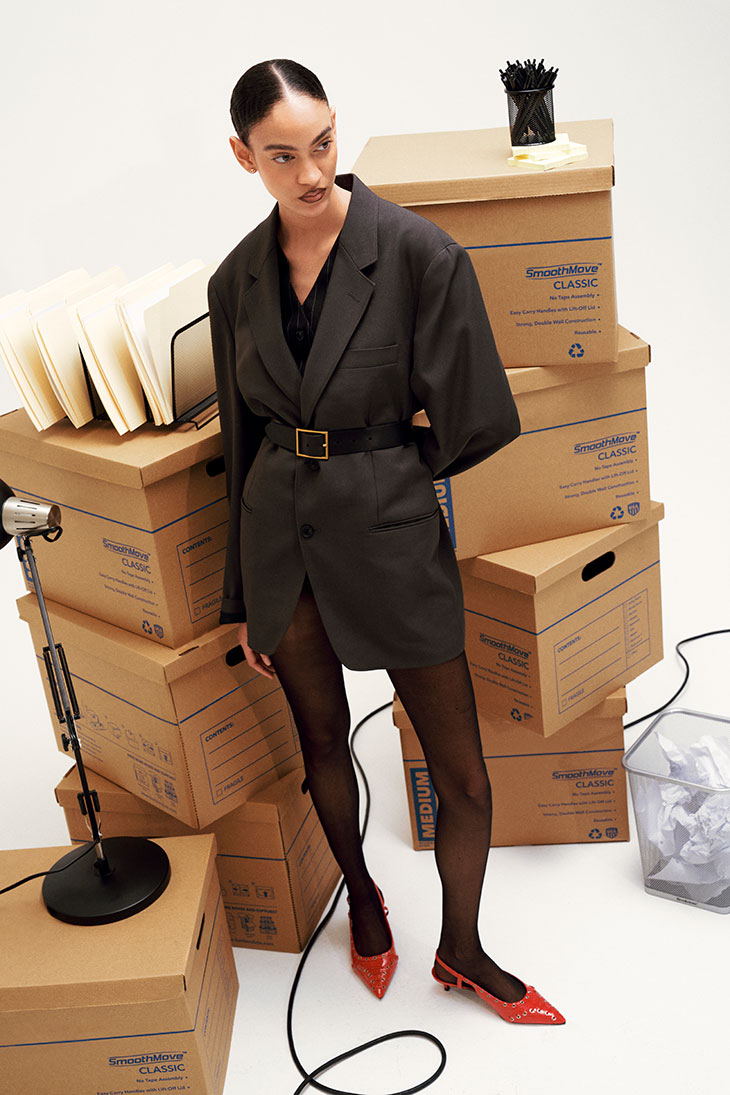
Images from Office Girly by Zach Alston – see full article here.